
LIVE
OCD← Home
Treasure Island cover
1883
Treasure Island
Robert Louis Stevenson · Meeting the Castaway
Chapter 15
Ch. 14
Reading
Ch. 15
Ch. 16
Loading audio...
0:000:00

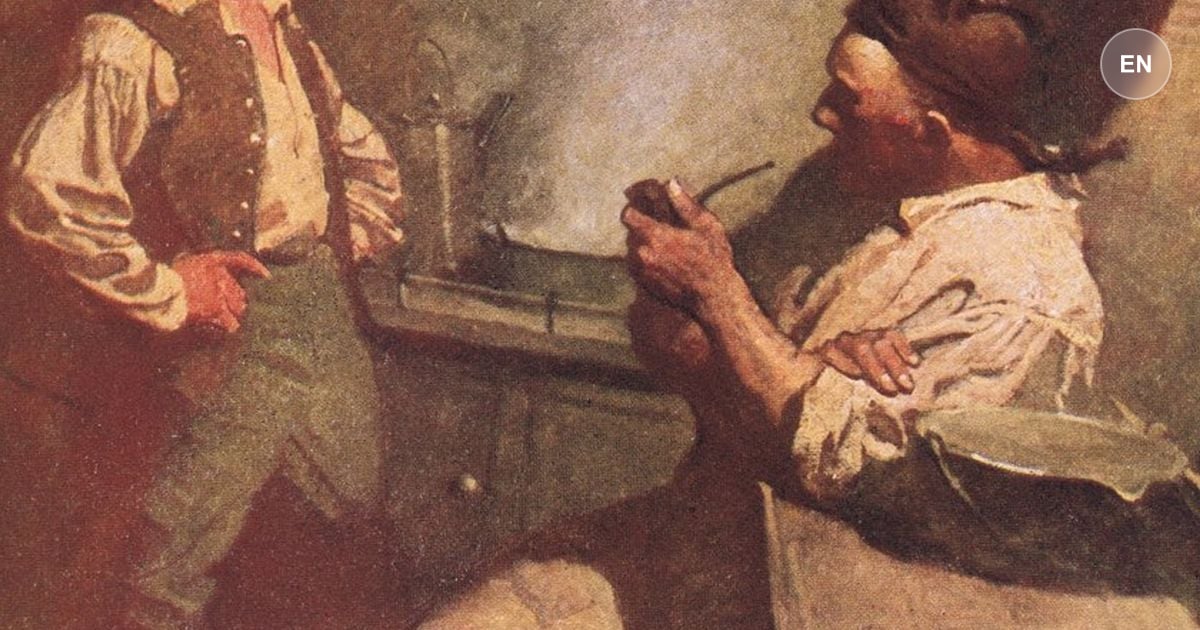
Jim encounters a wild-looking figure on the island who turns out to be Ben Gunn, a sailor marooned three years ago by his own crew while searching for Flint's treasure. Initially terrified, Jim quickly realizes this ragged castaway might be his salvation. Ben's story reveals the brutal reality of pirate justice - he was abandoned with just basic supplies after convincing his shipmates to hunt for treasure that he couldn't deliver. Three years of solitude have left Ben eccentric but not broken; he's survived on goats and shellfish while maintaining hope of rescue.

Most importantly, Ben knows crucial information about both the treasure and the island's layout. When he learns that Long John Silver is aboard Jim's ship, Ben becomes desperate to help, seeing this as his chance for redemption and escape. The chapter shows how extreme circumstances can forge unlikely partnerships - a boy and a castaway united against a common threat.

Ben's transformation from terrifying stranger to potential ally demonstrates how quickly situations can shift when survival is at stake. His mix of madness and shrewdness, desperation and hope, makes him a wild card who could tip the balance of power. The distant cannon fire reminds us that while Jim has found a potential ally, the real battle for the treasure - and their lives - is just beginning.

Amplified Discussion
When Desperation Creates Unlikely Partnerships

Ben Gunn represents something we all recognize but rarely name: the outcast who becomes essential during crisis. Three years of isolation haven't broken him, they've given him unique knowledge and desperate motivation. When Jim meets him, social norms collapse instantly. Age, appearance, reputation, none of it matters when survival is at stake. This pattern shapes our modern world constantly. During the 2008 financial crisis, strangers shared job leads and survival strategies. In hospitals, patients bond across every social divide. At work, layoffs create temporary alliances between people who've never spoken. The mechanism is always the same: shared vulnerability plus complementary resources equals instant partnership. But here's what Stevenson understood that we often miss, these alliances are built on temporary need, not lasting compatibility. Ben's desperation makes him valuable to Jim, but it also makes him unpredictable. The very circumstances that create the alliance also define its limits. Smart crisis navigation means using these partnerships fully while they serve both parties, then recognizing when the temporary need has passed. The question isn't whether to form these alliances, in genuine crisis, you often have no choice. The question is how to maximize their benefits while maintaining clear boundaries about what they are and aren't.

Explore this chapter with AI to uncover deeper meaning and practical takeaways.

AI Discussion
Why it matters

Testing a Crisis Ally

The ragged stranger who knows the ground may be the only map you have. Jim meets Ben Gunn, three years alone, talking of cheese and ready to help against Silver if someone will carry his terms. When you have to trust a person you would not have chosen, ask what they want named in return.

Lessons

PracticeThis week, notice when stressful situations at work or home make you more open to help from unexpected sources, and pay attention to what makes those temporary partnerships work or fail.

Psych reading

Crisis Alliance Formation

Extreme circumstances force unlikely partnerships between people who share immediate survival needs despite fundamental differences.

In the mind

When survival is at stake, we form partnerships with people we'd normally avoid. Ben Gunn, wild, eccentric, abandoned, becomes Jim's potential lifeline not because they're compatible, but because their desperate circumstances align their interests. This is the pattern of crisis bonding: extreme situations strip away social norms and force unlikely collaborations. The mechanism works through shared vulnerability. Ben has been isolated for three years, desperate for human connection and escape. Jim faces mortal danger from Silver's crew.

Neither can survive alone, so they override their natural caution. Ben's madness becomes irrelevant; his knowledge becomes everything. Jim's youth becomes an asset; his ship connection becomes Ben's salvation. Crisis creates temporary equality, the marooned sailor and the cabin boy suddenly need each other equally. This pattern appears everywhere in modern life. In hospitals, you'll bond with the stranger in the waiting room facing the same terrifying diagnosis.

At work, you'll team up with the colleague you barely tolerate when layoffs threaten both your jobs. During divorce proceedings, you'll find yourself confiding in your lawyer's secretary who's been through it herself. In financial crisis, neighbors who've never spoken will share resources and information. The more desperate the situation, the faster these alliances form. When you recognize this pattern, evaluate carefully but act quickly. Crisis alliances can save you, but they're built on temporary shared need, not lasting compatibility.

Use them: accept help, share information, coordinate efforts. But don't mistake survival partnerships for permanent relationships. Once the crisis passes, natural differences often resurface. The key is maximizing the alliance's benefits while it serves both parties, then gracefully transitioning when circumstances change. When you can name the pattern, predict where it leads, and navigate it without losing your judgment or your boundaries, you keep control instead of letting fear write the next move.

Find the right chapter

Each mood maps to a life skill. Each skill connects to the patterns in classic literature.

😔How do you feel😊

Personalize your match

Optional—life stage, what you need today, and what you're navigating help us pick chapters that fit—not generic lists. You may also freeform using the feeling search below.

Sign in to save your profile

Choices stay on this device until you sign in.

Browse the Full Library
4,582Chapters
118+Books
86Authors