
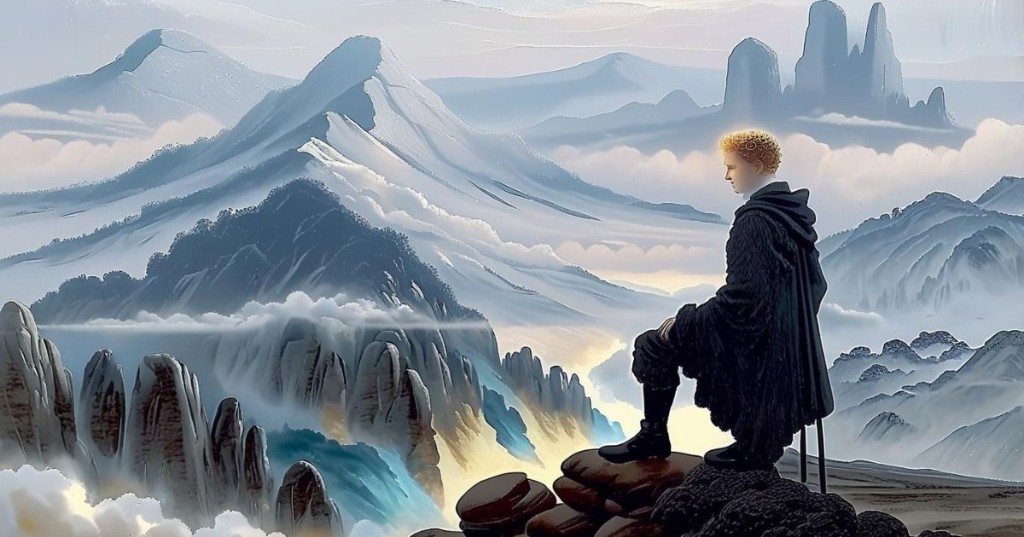
Zarathustra admits he once believed like everyone else. When he hurt, he imagined a suffering God who made this messy world. Good and evil looked like colored smoke before a tired creator. That idea felt good for a while because it let him look away from pain and forget himself.
Then he saw the truth: he had invented that God from his own weakness. When he faced his pain, carried his ashes to the mountain, and built a brighter flame inside himself, the phantom God left him. Now backworld beliefs would only shame him. He tells other backworldsmen that weariness and impotence created heaven, not truth. The body that despairs of the earth builds imaginary doors into other worlds.
He says sick and tired people create gods and afterlives because this world hurts. Even their spiritual highs come from their bodies. Zarathustra is gentle with them. He knows they are healing. But he wants them to grow strong enough to love the earth they stand on. A healthy body speaks more honestly than escape. He asks us to listen to that voice instead of preachers of death who teach us to hate flesh and soil. He wants convalescents to build higher bodies, not hide in old graves.
Nietzsche wrote this chapter during Germany's rapid industrialization, when traditional religious certainties were crumbling and people desperately needed new sources of meaning. He understood that humans don't abandon comforting beliefs easily—we cling to them precisely when reality becomes most challenging. Today's version looks different but follows the same pattern. Healthcare workers fantasize about quitting to become travel bloggers instead of organizing for better conditions. Parents dream of their 'real life' starting when kids graduate, missing the family they actually have. Workers complain endlessly about management while taking no concrete steps to change jobs or improve skills. The fantasy feels like hope, but it actually drains energy from improving your real situation. Nietzsche wasn't cruel when he pointed this out—he was compassionate. He knew that people create elaborate escape plans because they're genuinely suffering. But he also knew that the energy spent maintaining these fantasies could be redirected toward actual change. The question isn't whether your current circumstances are difficult—they probably are. The question is whether you're investing your limited energy in imaginary solutions or real ones. When you can honestly assess where your hope is going, you can start directing it toward things you can actually influence.
Explore this chapter with AI to uncover deeper meaning and practical takeaways.
AI Discussion