
The house stands three miles from the village, with hedges, locking gates, and a garden she loves. Greenhouses lie broken. Legal trouble among heirs left the place empty for years. That spoils her ghost story, she says, and she still feels something strange. One moonlight evening she tells John. He says what she felt was a draught, and shuts the window. She grows unreasonably angry, then blames her nervous condition. John says if she feels so she will neglect self-control. She controls herself before him, at least, and that makes her very tired.
She wanted a downstairs room that opened on the piazza, with roses and old chintz. He would not hear of it. One window, no room for two beds, no near room for him. He is careful and loving, and hardly lets her stir without special direction. He has a schedule for each hour. They came solely on her account, he says, for perfect rest and all the air she can get. Air she can absorb all the time. So they take the nursery at the top of the house.
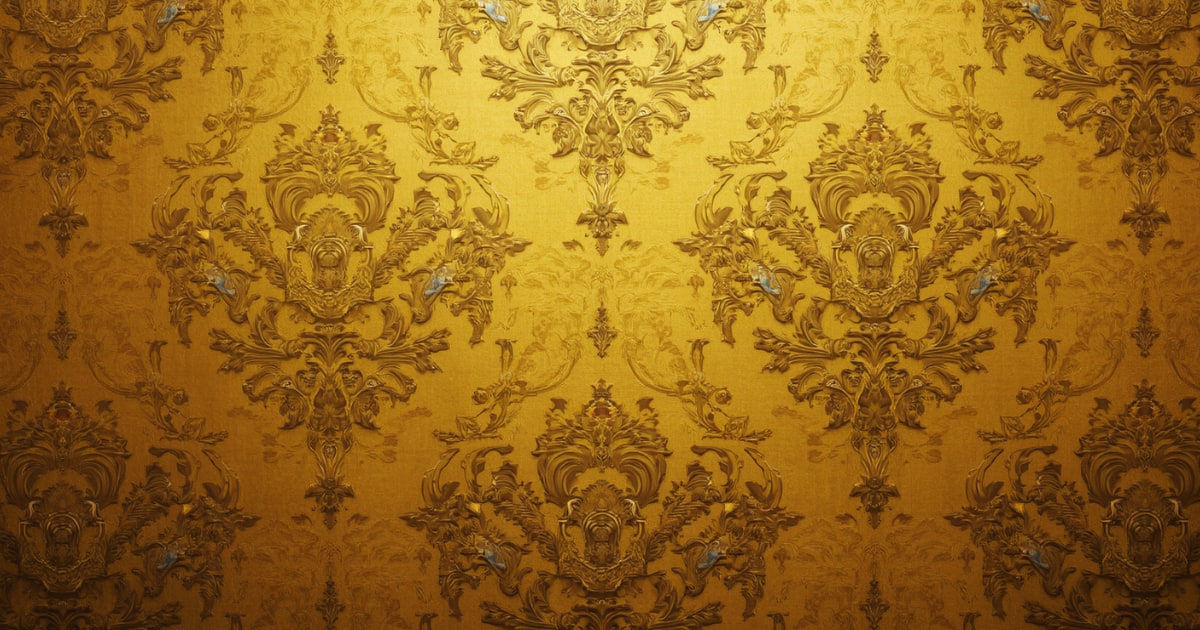
It is a big airy room with windows that look all ways. The windows are barred for little children. There are rings in the walls. The paper is stripped in great patches around the head of her bed. The pattern sprawls and commits every artistic sin. The colour is a smouldering unclean yellow, orange in places, a sickly sulphur tint in others. No wonder the children hated it. John is coming. She must put the page away. He hates to have her write a word.
The garden is delicious. The nursery is still the room they take. Bars, rings, and stripped paper arrive as sunshine policy. People still sell confinement as rest: the quiet office, the sick leave that bans the one task that steadies you, the bedroom chosen for you. Hardware tells the truth faster than speeches. If you hide a page when they climb the stairs, the care plan has already taught you that thought is the illness.
Explore this chapter with AI to uncover deeper meaning and practical takeaways.
AI Discussion