
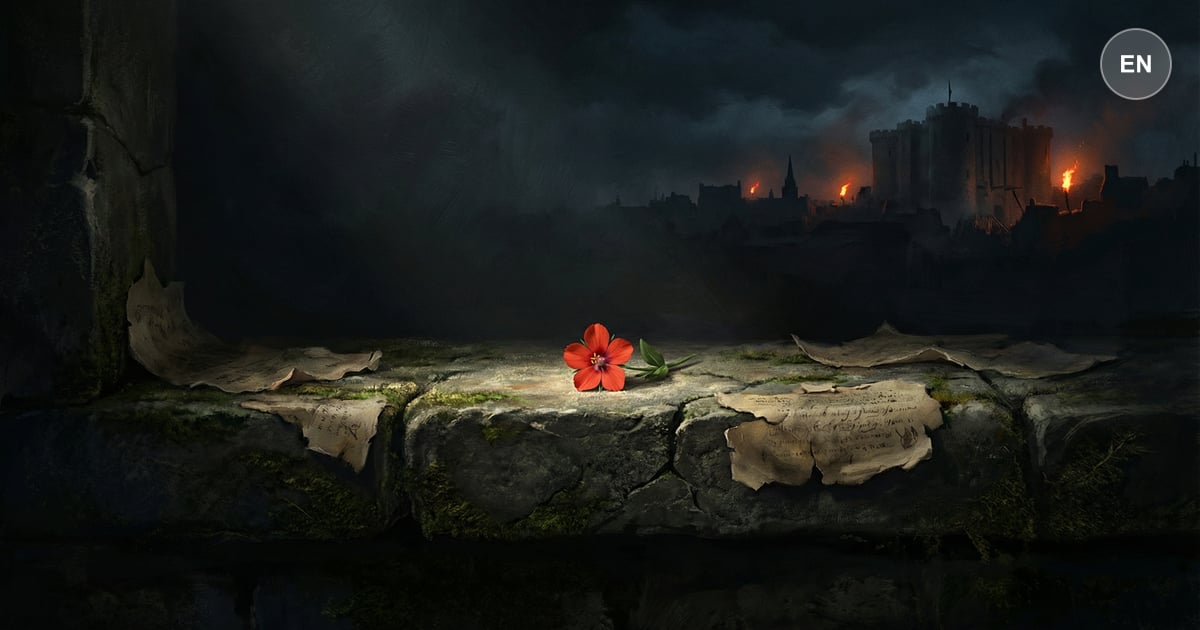
She loses time and place while they carry her. When the world returns she is on a man's coat, back against a rock. The moon is gone. The sea roars two hundred feet below. The tiny red light has vanished. Whispers close by give the state of the trap: four men sit by the fire and wait; it is nearly two; the tide is coming; an English schooner lies three kilometres out, but her boat cannot be seen. The soldiers will not stir until the tall Englishman comes, then they will surround five men. The Jew is gagged and strapped. Desgas is sent to the hut with his gun. Chauvelin's thin hands take hers in a grip of steel.
Before the handkerchief comes off, he explains the new either-or. If she screams, Percy may yet run, and Armand, de Tournay, and two others will be shot before her eyes, by his orders. If she stays still, Armand may leave for England tonight, and the enigmatic Pimpernel, he says, is nothing to her. He removes the gag so she will be free to choose. Freedom here means owning the deaths either way. At the ball he once offered a cruel pair of doors. This pair is worse, because love now sits on both sides.
She has strength enough to sit upright and not enough to scream. Instinct lifts a cry for Percy; the picture of Armand dying with a curse on his lips kills it. Suzanne's father is in that hut too, an old man. Chauvelin has played her feelings the way a musician plays an instrument. The tide keeps its mournful murmur. The beach is silent as a grave. She cannot tell how fast the early hours move. Then, not far away, a cheerful, strong voice starts singing God save the King.
Chauvelin's trap reveals something sinister about power: sometimes the cruelest thing isn't taking away someone's choices, but giving them choices that destroy them no matter what they pick. He unties Marguerite's gag, making her technically free to speak, but it's freedom designed to torture. Every parent working multiple jobs faces this pattern—you're free to choose between being present for your children or paying the rent, but both choices damage your family. Healthcare workers experience it when insurance protocols force them to choose between helping one patient or another. The system presents these as individual moral failures, but they're manufactured dilemmas designed to make you blame yourself instead of questioning who created the impossible situation. The most insidious part is how these traps exploit our deepest values against us. Marguerite's love for both Percy and Armand becomes the weapon used to destroy her. Similarly, a parent's love for their children becomes the reason they accept exploitative working conditions. The trap works because good people will sacrifice themselves rather than actively harm someone they care about. But recognising the pattern changes everything. When you can see that someone is engineering your impossible choice, you can start looking for the options they don't want you to find—delay, allies, refusing their framework entirely. Sometimes the real choice isn't between the options presented, but whether to accept their game at all.
Explore this chapter with AI to uncover deeper meaning and practical takeaways.
AI Discussion