
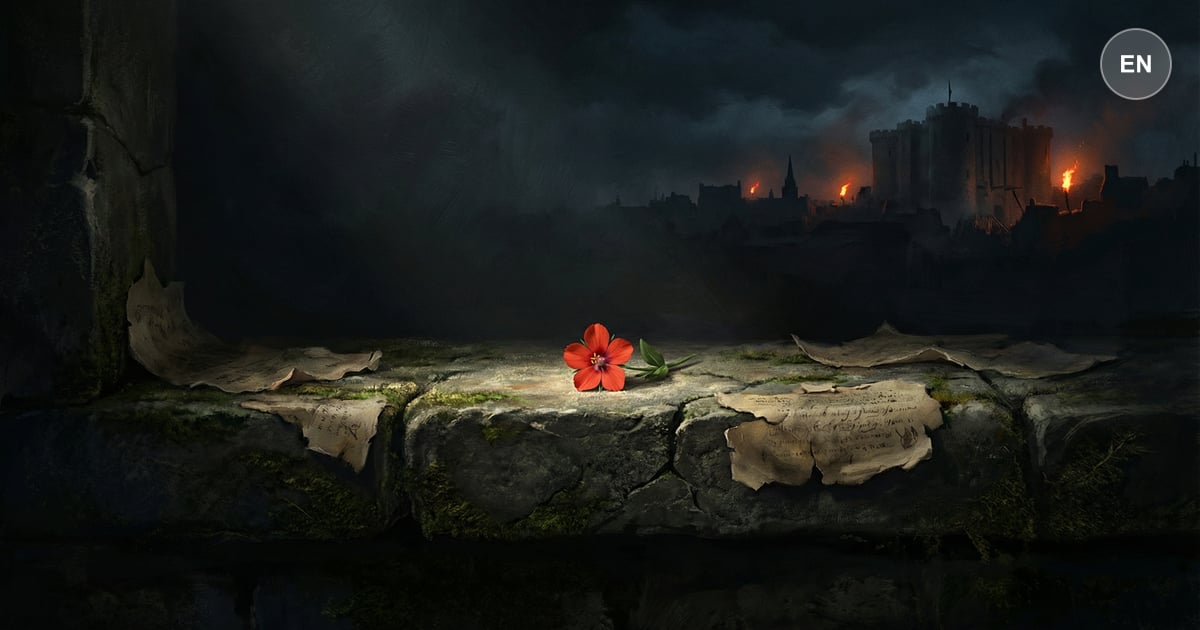
Marguerite reaches The Fisherman's Rest long after dark, having changed horses all the way from London. Sally lays a cold supper. Jellyband keeps his face tight so he will not show shock at Lady Blakeney arriving alone. She wants the first schooner at the turn of the tide and a private hour in the coffee-room until Sir Andrew comes. She has seen no wizened Frenchman on the road, and that silence frightens her more than a sighting would. The grandfather clock ticks. Breakers boom against the Admiralty Pier. Jellyband dozes under the porch where she first met Chauvelin a week ago.
Sir Andrew arrives in a lackey's coat, and the landlord's worst guess hardens: a foreign wife running off with a young gallant. Gold pieces and Percy's name only partly soothe him. Then Andrew says they cannot sail. A storm blows from France. The wind is dead against them. Skippers on the shore swear no one can put out of Dover tonight, and Andrew looks at her so she understands: no one includes Chauvelin. What looked like disaster is, for this tide, a shared stall. He even offers, half in jest, to waylay the Frenchman and run him through. She refuses. English law does not permit murder, even when France now kills by statute.
He sits her down to meat and wine and talks her through Percy's old rescues, even the market-woman disguise that got the Comtesse de Tournay out of Paris. She laughs, then dreads the bed upstairs. The Day Dream is stout, Briggs is expert, Percy handles a schooner like a master. None of that quiets the room. Past midnight she lies awake while the same storm that keeps Chauvelin in Dover also keeps her from the man she raced to warn. Andrew calls the delay a blessing. Every breaker keeps saying something smaller and sadder.
Marguerite's storm reveals a harsh truth about human agency: sometimes the universe simply says no, regardless of how noble your mission or desperate your love. This isn't about fairness or justice—it's about the fundamental indifference of natural forces to human drama. The storm that traps her in Dover operates by its own logic, completely separate from the life-and-death stakes she's facing. Modern life amplifies this pattern. We live in a world that promises instant everything—communication, transportation, solutions. When reality imposes delays during our most urgent moments, we experience them as personal affronts rather than natural limitations. The parent whose flight gets cancelled during their child's medical crisis. The worker whose car breaks down on the day of a crucial interview. The student whose internet fails during exam week. Each situation creates the same collision between human urgency and indifferent circumstance. Yet Orczy hints at a deeper wisdom: the same storm that prevents Marguerite from reaching Percy also prevents Chauvelin from pursuing him. Natural obstacles often protect all parties equally, even when we can only see our own frustration. This suggests a navigation strategy for modern crises: when external forces create delays, look for how those same forces might be working in your favour. The traffic jam that makes you late might also delay the person you're worried about meeting. The power outage that shuts down your workplace might also shut down your competitor's. Understanding this pattern doesn't eliminate the anxiety of forced waiting, but it can transform helpless panic into strategic patience.
Explore this chapter with AI to uncover deeper meaning and practical takeaways.
AI Discussion