
Marguerite laughs and chats at Grenville's ball while she feels condemned. Between the opera and the ball she had hoped Percy might advise her. Alone with him, that hope died. Now he stands among empty-headed admirers reciting a doggerel he claims he wrote while tying a cravat: French agents seek the Pimpernel in heaven and hell. The Prince is enchanted and leads him to the card-room. She will not think. Chauvelin has set a price on Armand and left her to pay or not.
Later she sees Sir Andrew and Lord Antony arrive, haggard under courtly manners. Suzanne still believes the League will fetch her father within days. A burning curiosity seizes Marguerite to know which face in the room is the hero. She watches Andrew after Suzanne is led away. Lord Hastings brushes past him and slips something into his hand. In less than a minute she follows him into a deserted boudoir. Lady Blakeney ceases to exist. Marguerite St. Just wants the talisman that might save her brother.
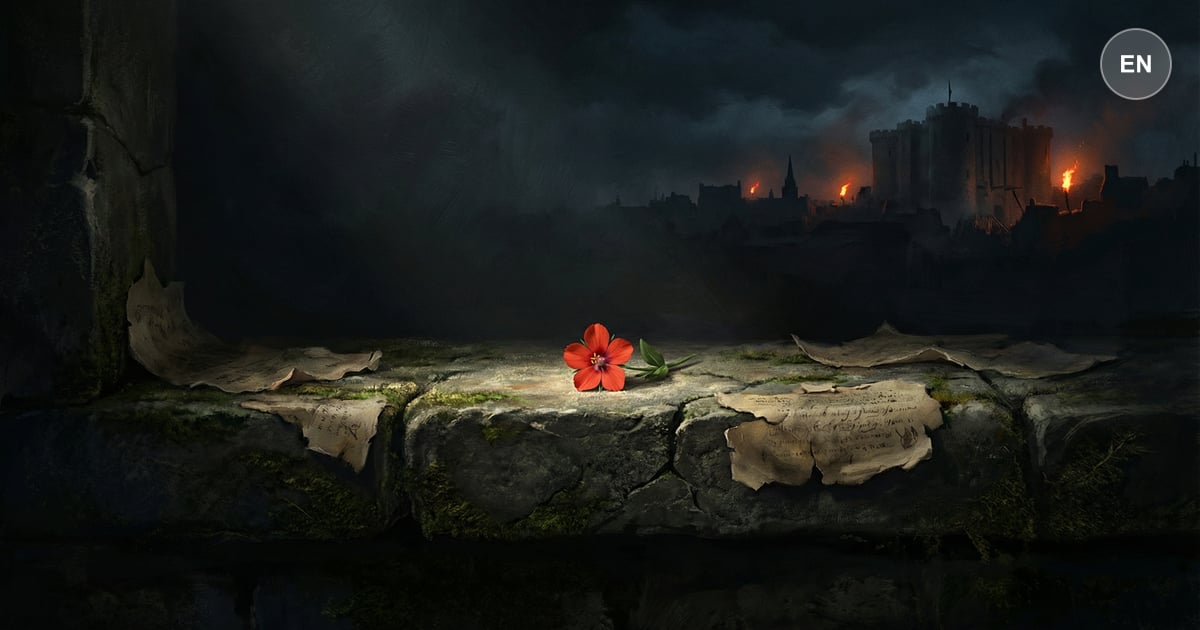
Andrew is reading a slip by a silver candelabra. She groans, claims the heat, and sinks into a chair with closed eyes. An extra sense tells her he is holding the paper to a candle. She takes the burning scrap, blows it out, and jokes that burnt paper cures giddiness. He stares, then lunges. She steps back, knocks over the table, and in the seconds he rights the candles she reads a dozen words in the familiar disguised hand, signed with a star-shaped flower in red ink. When he looks again she is only alarmed at the accident. The note has fluttered down. He burns the last fragment under his heel. She smiles and asks him to dance the minuet.
Marguerite's transformation from principled woman to reluctant spy reveals something uncomfortable about human nature: we're all capable of betraying our values when the stakes are high enough. The key insight isn't that she's weak—it's that the situation was designed to exploit her strength. Her love for Armand, her greatest virtue, becomes her greatest vulnerability. This pattern appears constantly in life on a wage, where economic desperation creates impossible choices. The single mother who doesn't report workplace harassment because she can't afford to lose her job. The factory worker who stays silent about safety violations because speaking up means unemployment. The nurse who falsifies records to meet impossible quotas because patients need care more than she needs a clear conscience. These aren't moral failures—they're structural traps. The system relies on our love for our families, our dedication to our work, our sense of responsibility to force us into compromises we never imagined making. Recognising this pattern doesn't excuse the choices, but it helps us understand them and prepare for them. When we can see the trap being set—when someone with power over our livelihood or our loved ones starts asking for 'small favours'—we can resist before we're in too deep. The question isn't whether you'd ever compromise your principles. The question is: what safeguards will you build before someone tests your limits?
Explore this chapter with AI to uncover deeper meaning and practical takeaways.
AI Discussion