
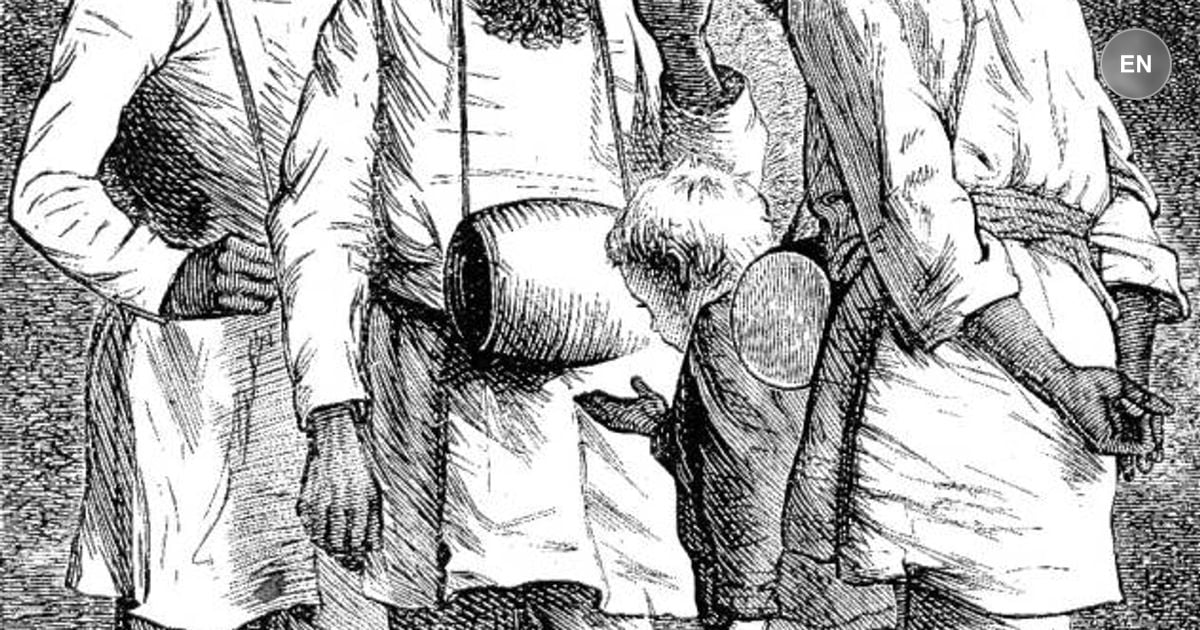
Franklin Blake takes the crucial step toward clearing his name by consulting lawyer Mr. Bruff about the evidence against him. Through methodical questioning, Bruff helps Franklin eliminate possible explanations, he wasn't drunk, he's never sleepwalked, while pointing out a critical flaw in the case: there's no proof Franklin actually wore the incriminating nightgown.
Bruff suspects Rosanna Spearman may have deliberately planted evidence to drive a wedge between Franklin and Rachel, capitalizing on her jealousy and a previous incident where Franklin had been accused of financial irresponsibility. This earlier confrontation, where Rachel had called him 'heartless' and 'dishonourable,' created a foundation of doubt that made her more likely to believe he could steal the diamond. The chapter builds to a carefully orchestrated plan: Bruff will invite Rachel to his home under false pretenses, giving Franklin a chance to confront her directly and learn exactly what evidence convinced her of his guilt.
Franklin's willingness to face this terrifying conversation, despite knowing Rachel believes him to be a thief, demonstrates how sometimes the only way through a crisis is straight toward the person who holds the key to your vindication. The chapter ends with Franklin entering the music room where Rachel waits, setting up the climactic confrontation that will finally reveal the truth about the Moonstone's disappearance.
Franklin Blake's willingness to face Rachel despite knowing she believes him guilty illuminates a crucial leadership principle: sometimes the conversations we most want to avoid are exactly the ones our integrity demands. In 1868, a gentleman's reputation was everything, social death was real death. Yet Franklin chooses potential humiliation over continued uncertainty. This pattern repeats in modern workplaces where supervisors discover misconduct. The natural impulse is to hope the problem resolves itself, to gather more evidence, to find ways around the confrontation. But every day of delay sends a message to your team about what you will and won't address. Collins understood that avoidance often becomes a form of complicity. When we refuse to have difficult conversations about serious issues, whether it's a coworker's substance abuse, a manager's harassment, or a friend's financial desperation leading to poor choices, we're not being kind. We're being cowardly. The person engaging in problematic behavior deserves the chance to explain or change course. The people affected by that behavior deserve protection. And our own integrity requires us to act on what we know, even when action feels impossible. The Victorian emphasis on honour wasn't just about social standing; it was about the recognition that some situations demand we risk our comfort for the sake of truth. Modern workers face the same choice: comfortable silence that enables harm, or uncomfortable conversations that create accountability.
Explore this chapter with AI to uncover deeper meaning and practical takeaways.
AI Discussion