
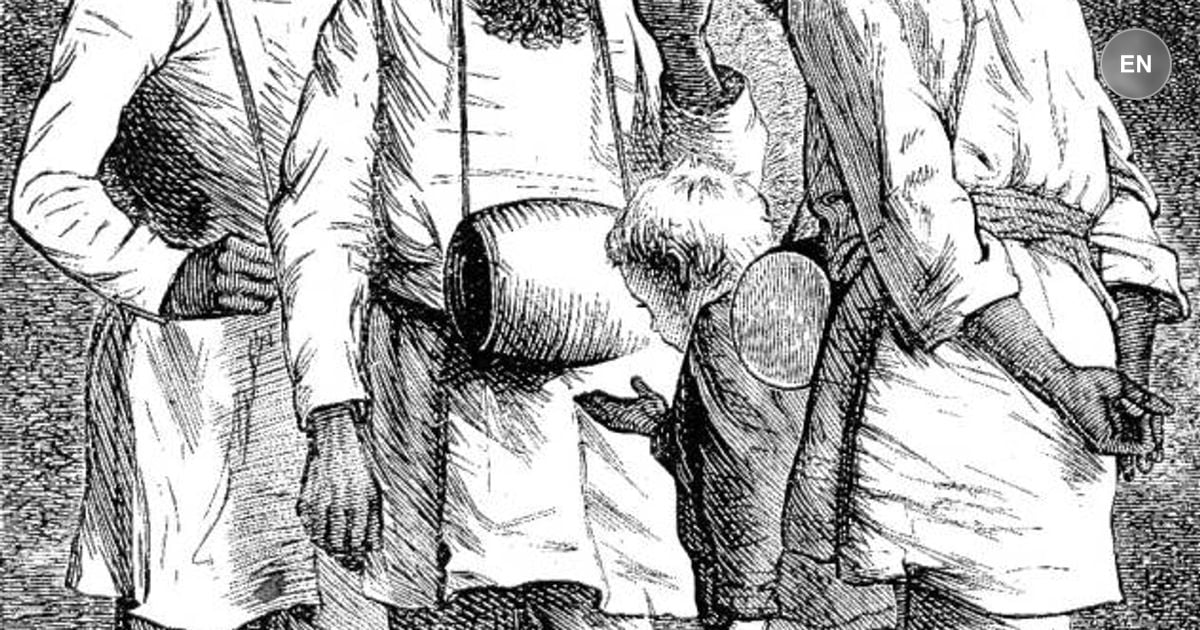
Chapter 31 operates as a psychological comedy of manners, moving through four distinct turns: Godfrey's baffling confession, Miss Clack's spiritual diagnosis, the near-swoon interrupted by domesticity, and the arrival of patriarchal pressure that Rachel refuses to absorb. The chapter opens with Godfrey Ablewhite delivering what amounts to a confession of complete self-ignorance. He cannot explain why he proposed to Rachel, why he abandoned his charitable work, or why her breaking the engagement flooded him with relief rather than grief. His comparison of himself to a child who acts without understanding is both disarming and revealing: a man of considerable social polish admitting that his inner life is opaque even to himself. The detail that Rachel had openly told him she loved someone else and was using the marriage as emotional distraction adds a layer of mutual bad faith to the whole arrangement. Neither party entered the engagement honestly, and both are quietly grateful to escape it.
Miss Clack receives this confession with the enthusiasm of an amateur diagnostician handed a fascinating case. She frames Godfrey's confusion not as moral failure but as providential humbling, the kind of spiritual correction that reminds gifted people of their dependence on a higher power. Her interpretation is self-serving and slightly absurd, but it restores Godfrey's sense of purpose and her own sense of authority simultaneously. Their reunion grows so emotionally charged that Miss Clack nearly faints against his shoulder before a footman rattles cutlery outside the door and breaks the spell. Collins uses this interruption as gentle satire: the sacred and the mundane collide, and the mundane wins without effort. Godfrey departs in haste, warning that his father has learned of the broken engagement and will arrive soon.
This transition moves the chapter from intimate confession to public confrontation. Old Mr. Ablewhite appears the following day accompanied, to Miss Clack's dismay, by the lawyer Mr. Bruff. The lawyer's presence signals that Rachel has anticipated the coming pressure and arranged legal and moral reinforcement. Miss Clack retreats to a corner with her devotional text, positioning herself as spiritual observer while the real contest unfolds. The confrontation between old Mr. Ablewhite and Rachel is the chapter's sharpest scene.
The old man deploys every tool of polite manipulation: false confusion, affectionate reframing, the suggestion that the broken engagement is merely a lovers' quarrel his clumsy son misread. Rachel refuses each reframing with increasing directness. Collins tracks the old man's genuine fury through the rising pink of his bald head, a physical detail that exposes the gap between his performed geniality and his actual controlling temperament. Rachel's final declaration that she and Godfrey will remain cousins and nothing more is not a negotiating position but a closed door. The chapter ends with Mr. Ablewhite's thermometer still climbing and his voice about to change register, leaving the confrontation unresolved and the tension intact for what follows.
Miss Clack genuinely loves Rachel and believes she's saving her soul, yet her actions drive Rachel away permanently. This reveals a devastating pattern: how love can become a form of control when we're more invested in being right than being helpful. The mechanism is subtle, we convince ourselves our emotional needs are the other person's actual needs. Miss Clack needs to feel useful and spiritually superior, so she interprets Rachel's grief as a salvation opportunity. Mr. Ablewhite needs to vindicate his class resentments, so he turns a broken engagement into a family war. Both mistake their internal drives for external love. This pattern dominates modern relationships. The parent who gives constant unsolicited advice because 'I just want what's best for you.' The friend who pushes their lifestyle choices because 'I care about your health.' The coworker who corrects everything because 'I'm trying to help you succeed.' Each person genuinely believes they're acting from love, but they're actually serving their own psychological needs. Real love requires the humility to ask what someone actually needs rather than assuming we know. It means accepting that sometimes the most loving thing is to step back and let people navigate their own lives, even when it's painful to watch.
Explore this chapter with AI to uncover deeper meaning and practical takeaways.
AI Discussion