
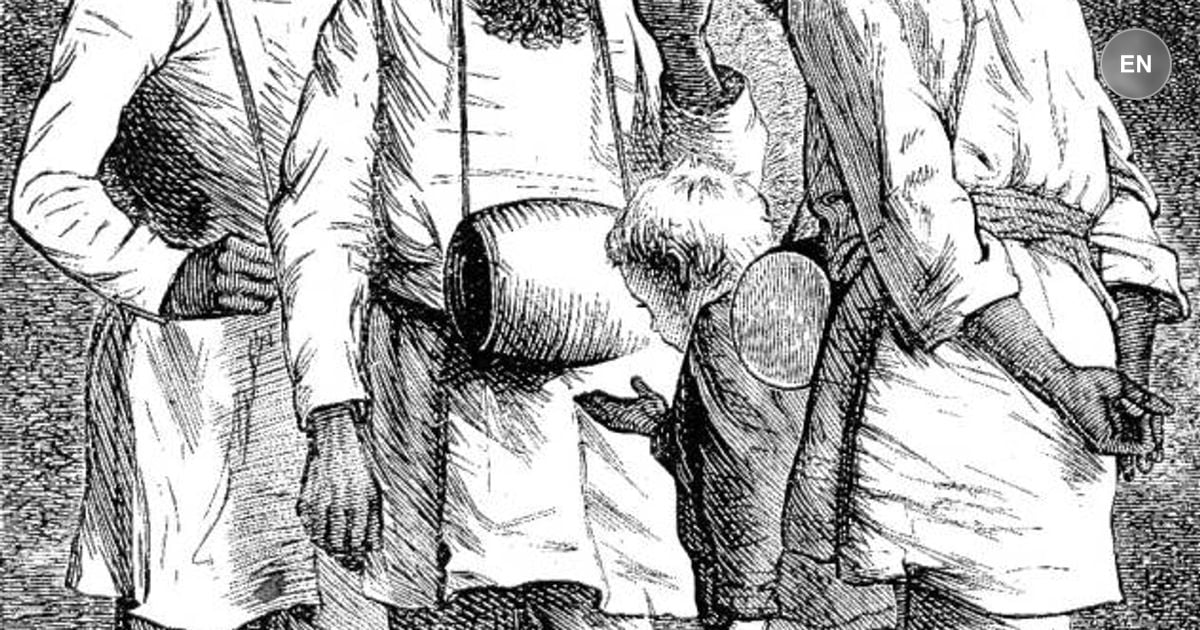
Miss Clack becomes an unwilling voyeur when she finds herself trapped behind curtains during a private conversation between Godfrey Ablewhite and Rachel Verinder. The chapter reveals Godfrey's calculated manipulation as he pursues Rachel, who is emotionally vulnerable due to her secret love for someone she considers unworthy. Godfrey transforms from the charitable public speaker into a shrewd opportunist, dismissing his philanthropic work as a 'nuisance' when it serves his romantic agenda. Rachel confesses her torment over loving someone who disgusts her, describing it as both 'the breath of my life' and 'the poison that kills me.' Godfrey seizes this moment of weakness, positioning himself not as a passionate lover but as a practical solution to her problems.
He offers marriage as refuge rather than romance, arguing that many successful marriages are built on respect rather than love. His proposal is a masterclass in emotional manipulation, exploiting Rachel's desperation and limited options as a woman in her society. Rachel, feeling trapped by her circumstances and seeing no alternative, begins to yield to his persuasion.
The scene exposes how those who present themselves as moral leaders often possess the most calculating motives. Miss Clack's hidden position adds dark comedy while highlighting the performative nature of both Godfrey's public persona and his private machinations. The chapter demonstrates how emotional vulnerability can be weaponized by those skilled in manipulation.
Rachel's acceptance of Godfrey reveals a brutal truth about human psychology: when we're drowning, we often grab whatever floats by, regardless of where it leads us. This isn't weakness, it's survival instinct gone sideways. The chapter exposes how emotional predators understand this better than we do. They don't wait for our good days to make their move; they wait for our worst ones. Godfrey doesn't court Rachel when she's confident and surrounded by options. He strikes when she's isolated, tormented by secrets, and feeling degraded by circumstances beyond her control. His proposal isn't about love, it's about leverage. He offers practical salvation: respectability, financial security, an end to her social isolation. What makes this particularly insidious is how he dismisses his own charitable commitments the moment they become inconvenient to his romantic agenda. This reveals his true character while simultaneously showing Rachel exactly how disposable his principles are. Yet she accepts anyway, because when you're in crisis, the available option often feels like the only option. The pattern persists today because our fundamental vulnerabilities haven't changed. We still mistake timing for fate, persistence for devotion, and practical rescue for genuine care. The question isn't whether we'll face such moments, but whether we'll recognize them when they arrive.
Explore this chapter with AI to uncover deeper meaning and practical takeaways.
AI Discussion