
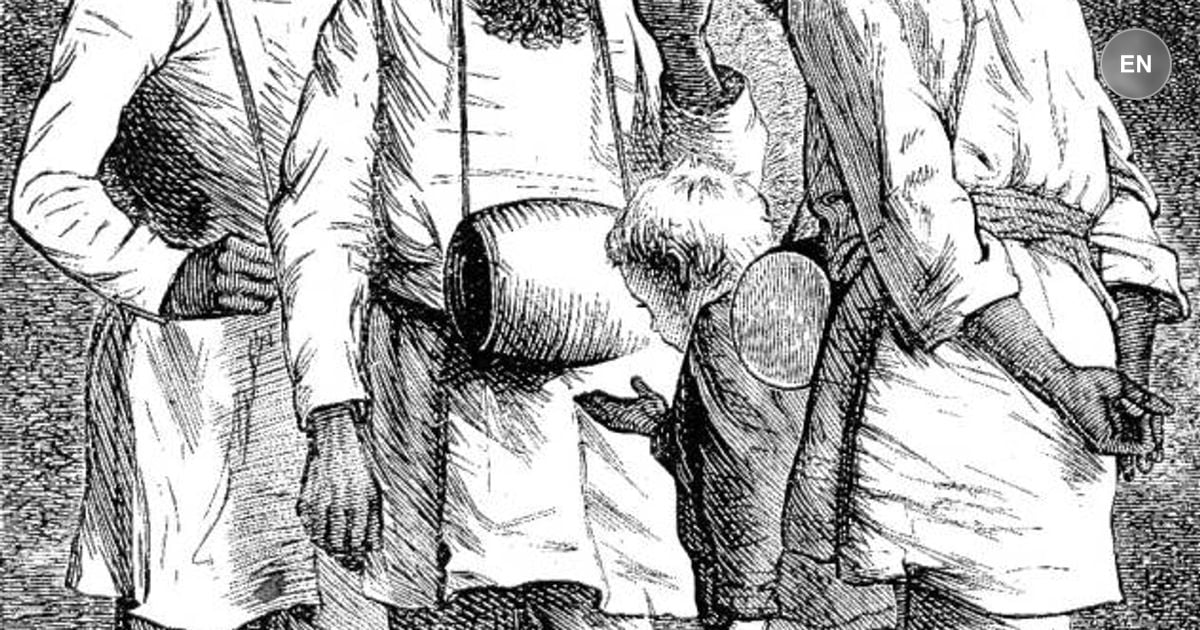
Chapter 26 opens with Lady Verinder delivering a quiet bombshell: she has been living with terminal heart disease for over two years without recognizing the symptoms herself. Two physicians, called in ostensibly to treat Rachel, turned their professional attention to the mother and found her case beyond remedy. She may have months, or she may have days. Her single overriding concern is shielding Rachel from the knowledge, because Rachel would immediately connect her mother's decline to the anxiety surrounding the Moonstone and drown in misplaced guilt. Lady Verinder asks Drusilla to keep the secret, reading genuine sorrow in her niece's face. What she cannot read is the nature of that sorrow.
Drusilla's interior response to this deathbed confidence is the chapter's first major turn. Rather than sitting with her aunt's grief, she experiences a surge of religious excitement, cataloguing the dying woman as a soul ripe for conversion and herself as the providential instrument of rescue. She rushes home by cab, an extravagance she records as proof of selfless devotion, and returns with a carpet-bag stuffed with a dozen marked and annotated religious tracts. Lady Verinder, exhausted and frightened, politely agrees to try reading them. Drusilla interprets this fragile courtesy as spiritual progress. The gap between what the dying woman needs and what her niece provides is vast, and Collins makes sure the reader feels every inch of it.
The chapter's middle section pivots to the legal world when Mr. Bruff, the family solicitor, arrives to witness Lady Verinder's will. Drusilla learns she has no pecuniary interest in the document, and her relief at this fact is itself a small comedy of self-congratulation: she reasons that no one can now accuse her of mercenary motives for loading her aunt with tracts. Bruff, worldly and sharp, quickly turns the conversation toward Godfrey Ablewhite. He lays out the circumstantial case against Godfrey with lawyerly precision: the Indians, released from Frizinghall prison, went directly to London and targeted both Luker and Godfrey for search. If Godfrey had merely spoken to Luker by accident, as he claimed, there would be no reason to single him out from dozens of other passersby. The inference Bruff draws is that Godfrey had a private stake in the Moonstone's whereabouts, and the Indians knew it.
Drusilla allows Bruff to build his case to its most confident point before delivering the chapter's closing turn. She reveals that Rachel Verinder herself has declared Godfrey's innocence in the most emphatic terms, displaying intense agitation about the scandal and insisting he is blameless. Bruff, who has just finished arguing that Rachel's word alone would outweigh any evidence, is stopped cold. His certainty about Godfrey's guilt and his certainty about Rachel's absolute reliability now point in opposite directions, and he has no way to reconcile them. The investigation, which seemed to be converging on a clear suspect, fractures open again. Collins uses the collision between Bruff's legal logic and Rachel's inexplicable loyalty to show how every confident reconstruction of events in this novel carries the seed of its own undoing.
Drusilla represents a timeless pattern: the person who sees your crisis as their opportunity. She genuinely believes she's helping her dying sister by planning to bombard her with religious materials and visits from clergy. This isn't conscious manipulation, it's something more dangerous. She's convinced herself that what she wants to do is what her sister needs. This pattern thrives in families, workplaces, and communities today. The coworker who uses your divorce to push their financial advisor. The relative who treats your depression as their chance to reorganize your entire life. The friend who sees your job loss as an opening to convert you to their career philosophy. They dress up their agenda as caring, which makes them nearly impossible to resist without seeming ungrateful. The key distinction is this: real help asks what you need and accepts your answer. Agenda-driven help tells you what you need and persists when you decline. Collins shows us that recognizing this pattern isn't about judging the helper's intentions, Drusilla truly believes she's saving souls. It's about protecting yourself from being someone else's project during your most vulnerable moments. The most dangerous helpers are often the most sincere ones, because their moral certainty makes them deaf to your actual needs.
Explore this chapter with AI to uncover deeper meaning and practical takeaways.
AI Discussion