
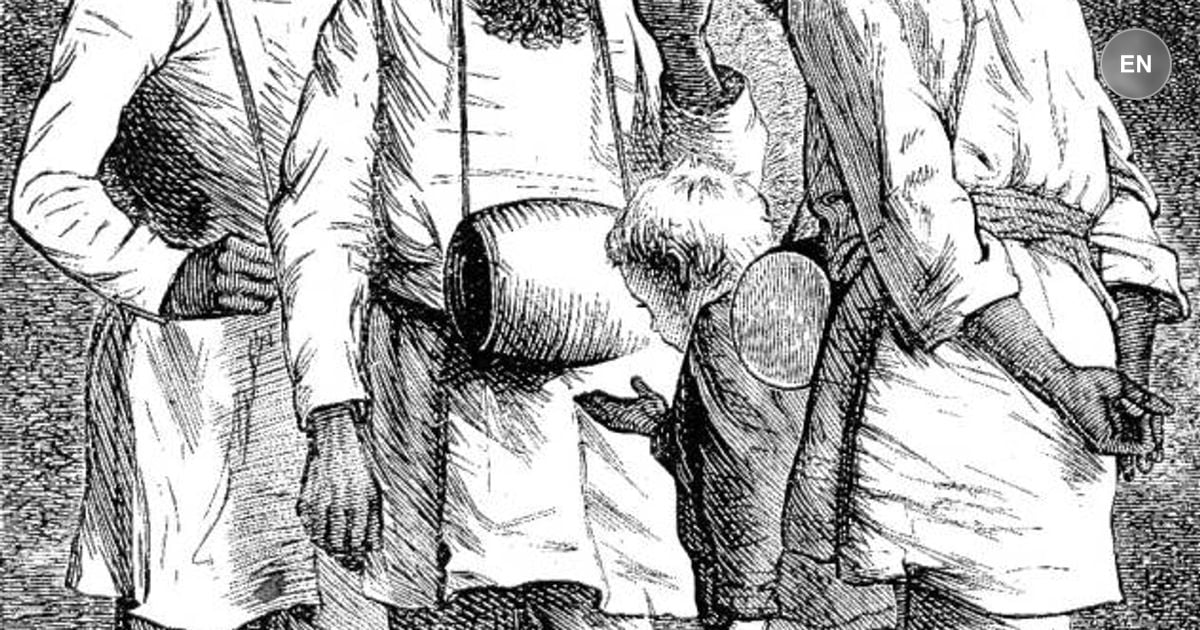
The investigation takes a dramatic turn as Sergeant Cuff reveals his findings from town. The Indians are innocent, they came to steal the Moonstone but had nothing to do with its actual disappearance. More troubling is what Rosanna bought: plain cloth to replace a nightgown stained with wet paint, proving she was near Rachel's room the night of the theft. When Rachel prepares to leave for her aunt's house, Cuff makes a bold move. He tells her directly that leaving will obstruct his investigation, essentially accusing her of carrying the diamond with her.
Rachel's response is telling: she refuses to even acknowledge him, pulling down her veil and demanding the carriage leave immediately. Her behavior devastates Franklin, who tries to say goodbye only to be completely ignored. The emotional scene leaves everyone shaken, Rachel's mother torn between anger and sorrow, Franklin heartbroken and ready to leave the house forever. But Cuff's real concern emerges when he discovers Rosanna has vanished.
The maid was last seen posting a letter to Cobb's Hole, which Cuff believes contains directions to her hiding place. His theory becomes clear: Rachel and Rosanna are accomplices, and now they're trying to reunite away from the house. The chapter ends with news that Rosanna was spotted running toward the seashore, adding urgency to an already tense situation. This pivotal moment shows how guilt isolates people and drives them to desperate actions.
Collins understood something that modern psychology confirms: innocent people often behave in ways that make them look guilty, especially when they're protecting someone else or carrying shame about something unrelated. Rachel's behavior mirrors what we see today in workplaces, families, and communities. When someone withdraws during a crisis, we assume they're hiding wrongdoing, but they might be hiding vulnerability, protecting others, or simply overwhelmed by the complexity of the situation. Think about how this plays out in real life: the employee who stops participating in meetings after a project fails might not be incompetent, they might be devastated and don't trust themselves to speak without crying. The parent who becomes distant after their teenager gets in trouble might not be a bad parent, they might be questioning every decision they've ever made. The friend who stops responding to texts after a group conflict might not be choosing sides, they might be paralyzed by the fear of making things worse. Collins shows us that guilt and shame create identical behaviors, but they require completely different responses. When we can recognize the difference between someone avoiding consequences and someone drowning in complexity, we can offer the right kind of support. The question isn't whether someone is acting suspicious, it's whether their behavior comes from selfishness or from being overwhelmed by caring too much.
Explore this chapter with AI to uncover deeper meaning and practical takeaways.
AI Discussion