
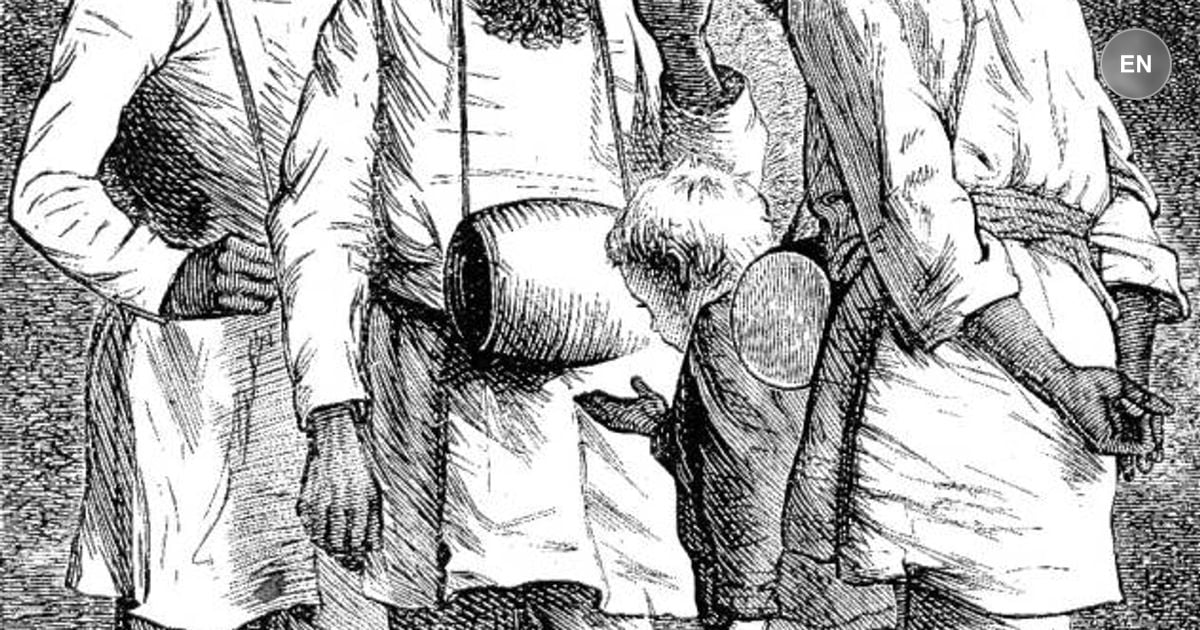
Lady Verinder sits with the lamp-shade screwed down over her face and tells Sergeant Cuff that Rachel will leave for her aunt's at Frizinghall first thing in the morning. Cuff cannot stop her, but he asks that the carriage wait until two, so he can speak two words to Rachel unexpectedly on his return. Lady Verinder gives the order, then almost speaks, checks herself, and dismisses them with a sign.
Out in the hall Cuff says that but for her self-control the mystery would have ended that night. The truth rushes into Betteredge's head. He seizes Cuff by the collar and pins him to the wall. Cuff, unmoved, says Betteredge has guessed it at last: Rachel has been in secret possession of the Moonstone from first to last, and has taken Rosanna Spearman into her confidence because she calculated on their suspecting the housemaid. Betteredge, who has served the family fifty years and had Rachel climb on his knees as a child, asks for reasons. Cuff will give them tomorrow. If Rachel refuses the delay, he will lay the whole case before Lady Verinder with Betteredge present.
Betteredge's appetite is gone. Even Robinson Crusoe cannot blow this off. He still answers, in his own mind, that Cuff does not know Rachel and he does. A magistrate's letter reminds them the three Indians must be released early next week. Cuff files the name of a traveller who speaks their language, then returns to arguing roses with the gardener. Rosanna runs past with a hand on her heart. Franklin says she was on the point of confessing to him, then fled when he kept knocking billiard balls about. That night Cuff sleeps coiled on three chairs across the corridor to Rachel's room, because Rosanna's return from the Sands and Rachel's resolution to leave coincided, and he means to stop them communicating again.
Betteredge's loyalty to Rachel isn't just devotion, it's his entire identity. After fifty years of service, admitting Rachel could steal would mean admitting his life's work was built on a lie. This creates what psychologists call 'sunk cost fallacy' in relationships: the deeper we invest, the harder it becomes to walk away or see clearly. In Collins's era, servant loyalty was considered noble virtue. Today, we face the same trap in different forms. The healthcare worker who can't report a colleague's dangerous mistakes because they've worked together for years. The parent who enables an adult child's addiction because acknowledging it would shatter their self-image as a good parent. The friend who keeps lending money to someone who never pays back because admitting they're being used would mean losing a twenty-year friendship. Modern psychology shows that healthy loyalty includes the courage to see truth, even painful truth. The most loving thing Betteredge could do for Rachel would be to help her face whatever drove her to this point. Real loyalty serves the person's highest good, not their immediate comfort. When we mistake blind enablement for love, we trap both ourselves and the people we care about in cycles of dysfunction.
Explore this chapter with AI to uncover deeper meaning and practical takeaways.
AI Discussion