
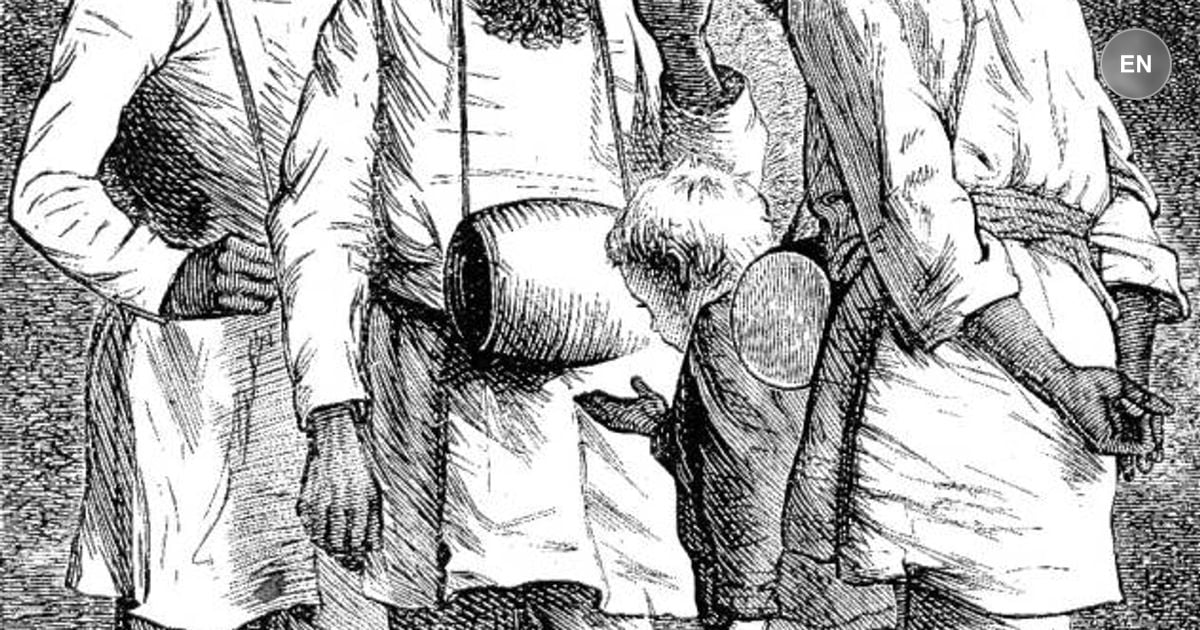
Rachel Verinder's birthday dinner for twenty-four guests collapses into an evening of sustained social wreckage, and Betteredge, watching from the sideboard, becomes increasingly convinced that the Moonstone itself has cursed the gathering. Rachel sits at the center of the table wearing the diamond as a brooch, a piece of silver wire and Franklin's ingenuity having transformed the raw stone into an ornament that draws every eye in the room. Two guests flanking her offer the most memorable responses to the jewel. Dr. Candy, the cheerful local physician whose jokes routinely misfire, proposes burning the diamond in the name of science, heating it until it evaporates into nothing. Lady Verinder, visibly anxious about the stone's security, listens with an expression that suggests she half wishes the doctor were serious. On Rachel's other side sits Mr. Murthwaite, the lean and weathered Indian traveler, who stares at the diamond in long silence before delivering a quiet warning: in certain Hindu temples, dressed as she is now, Rachel's life would not be worth five minutes.
Rachel finds this thrilling. The Bouncer sisters drop their cutlery in delight. Lady Verinder changes the subject. The dinner's opening quarter establishes the diamond as a source of unease beneath the festivity, with two very different men treating it as something that does not quite belong in an English dining room. The middle of the evening belongs to a series of conversational disasters that Betteredge catalogs with pained precision.
Dr. Candy's worst moment comes when he enthusiastically recommends that Professor Threadgall visit the College of Surgeons to examine its fine new skeletons, not knowing that the Professor has been dead for ten years. His cheerful insistence across the table, offering to send his card to the Professor's current address, forces Mrs. Threadgall to announce with rising fury that the current address is the grave. The silence that follows is total. Godfrey, meanwhile, keeps all his considerable charm for the woman beside him, a spiritually minded committee member with a taste for dry champagne, treating the rest of the table to a private theology in which religion means love, love means religion, and heaven is simply earth refurbished. Franklin causes damage on a broader front, his French, German, and Italian educations surfacing in sequence to baffle and offend different guests: he discusses a married woman's admiration for other men with a maiden aunt, argues that breeding bulls requires inner philosophical contemplation rather than practical experience, and tells a county member alarmed about democracy that civilization retains three things worth having, namely love, music, and salad.
The closing third of the dinner pivots on a direct confrontation between Franklin and Dr. Candy over medicine. Franklin admits he has been sleeping badly; Candy prescribes a course of treatment; Franklin compares medical practice to groping in the dark; Candy retorts that Franklin is already groping in the dark after sleep. The exchange grows hot enough that Lady Verinder is forced to intervene and shut it down, and whatever social energy remained drains away entirely. Betteredge concludes that the Devil, or the Diamond, has possessed the party. The evening ends not with a graceful withdrawal but with the sound of Indian drums from the terrace, the jugglers returning precisely as the Moonstone returns to the house, and the guests abandoning all decorum to rush outside before anyone can stop them.
Collins understood something we still struggle with: the most dangerous situations often come from people trying to help us. Uncle Herncastle thought he was giving Rachel a beautiful birthday gift. The dinner guests meant to celebrate her. Dr. Candy was genuinely curious about the science. But none of them understood the full context, and their good intentions created a life-threatening situation. This pattern repeats constantly in working-class life. A supervisor promotes you to help your career, not realizing the new role will destroy your family time. A friend cosigns a loan because they want to help you buy a house, not understanding they're risking their own credit. Parents push their kids toward college because they want better opportunities, not seeing the debt burden they're creating. Healthcare workers take on extra shifts to help understaffed units, not recognizing how burnout will eventually harm their patients. The mechanism is always the same: incomplete information plus good intentions equals unintended consequences. Collins shows us that the most dangerous gifts are the ones that come with the best intentions, because we don't think to look for the hidden costs. The people who love us can hurt us the most, not through malice but through ignorance of what they're really offering us.
Explore this chapter with AI to uncover deeper meaning and practical takeaways.
AI Discussion