
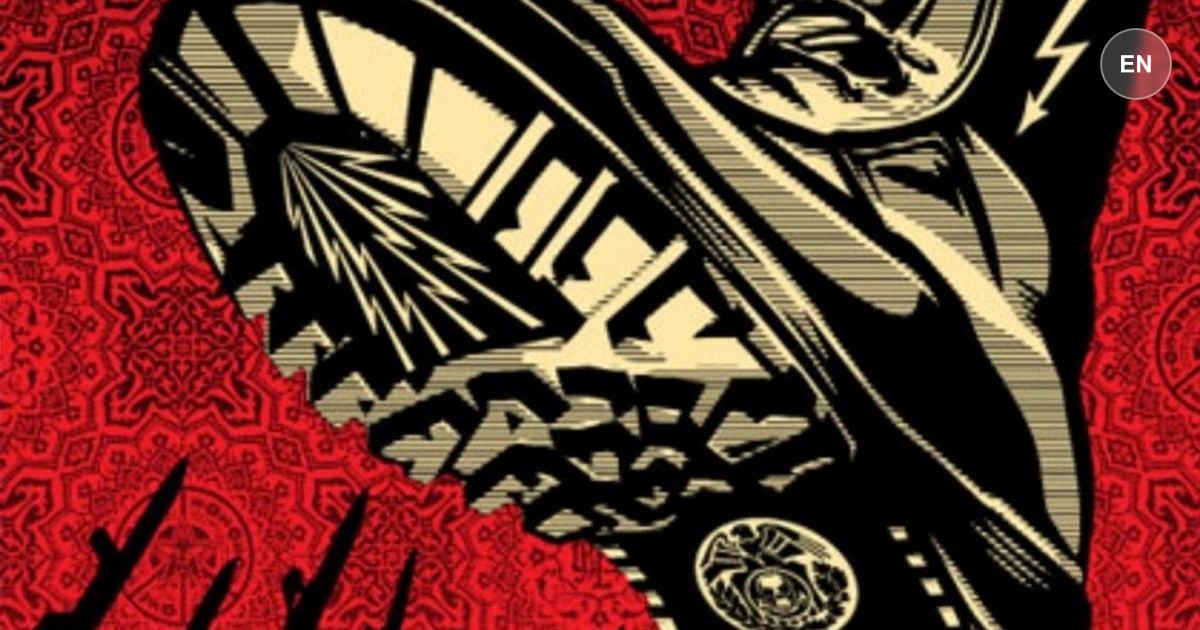
The revolutionary movement lies in ruins after their failed uprising. Avis and Ernest return to New York to find their cause shattered across the country. Slave revolts and massacres have erupted everywhere, creating a bloody landscape of revenge and desperation. The Iron Heel's brutal crackdown has filled mountains and wastelands with hunted refugees, while countless executions eliminate resistance fighters daily.
Most devastatingly, the defeat has splintered the organized revolution into dozens of terrorist groups with names like the Valkyries, Berserkers, and Danites. These splinter organizations, driven by pure revenge rather than strategic purpose, actually harm the revolutionary cause. They sacrifice lives wastefully, disrupt carefully laid plans, and give the Iron Heel justification for even harsher oppression. The chapter catalogs these groups in chilling detail - women's organizations like the Valkyries, who torture prisoners to death, and the Berserkers, who destroyed an entire city of 100,000 people.
Through it all, the Iron Heel remains methodical and impassive, systematically hunting down revolutionaries while filling gaps in their own ranks. The manuscript ends abruptly mid-sentence as Avis apparently receives warning of approaching soldiers, managing to hide her writings before fleeing or being captured. This final chapter reveals how trauma and defeat can transform principled resistance into mindless violence, ultimately serving the oppressor's interests by justifying increased brutality and turning public opinion against the cause.
London reveals a devastating truth about human nature under pressure: trauma doesn't just hurt us, it can transform us into our own worst enemies. The revolutionaries, crushed by the Iron Heel's brutality, splinter into groups driven by pure revenge rather than strategic purpose. Their noble cause becomes justification for mindless violence that ultimately serves their oppressor's interests. This pattern dominates modern workplaces and communities. When workers face unfair treatment, the natural response is anger - and that anger often leads to actions that give management exactly what they need to justify harsher crackdowns.
Union workers who engage in sabotage provide ammunition for union-busting. Employees who lash out at customers give bosses grounds for firing. Parents angry at school policies who attack teachers weaken their children's education. The mechanism is psychological and predictable: pain demands immediate satisfaction over long-term victory.
But the most effective response to injustice is often the hardest - strategic, patient, focused on winning rather than revenge. The question isn't whether your anger is justified - it usually is. The question is whether your response advances your actual goals or just makes your opponents' job easier. Recognizing this pattern means pausing when you feel that surge of righteous fury and asking the hard question: does this action serve my cause, or does it serve theirs?
Explore this chapter with AI to uncover deeper meaning and practical takeaways.
AI Discussion