
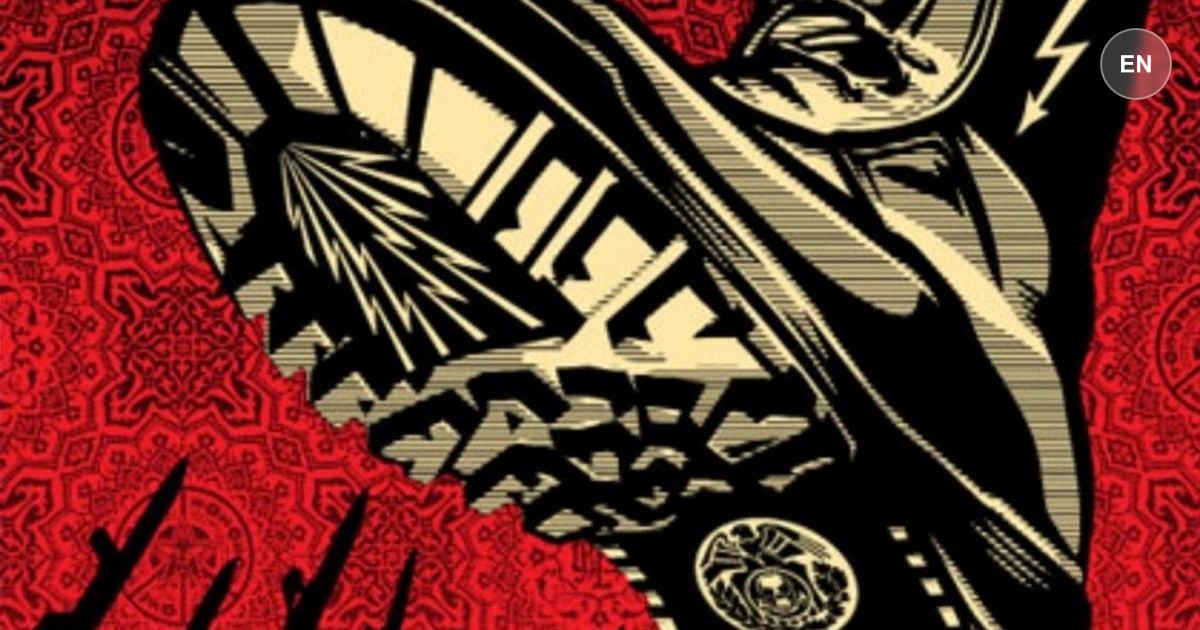
Avis and her fellow revolutionaries discover they've walked straight into a carefully orchestrated trap. The Iron Heel has learned of their planned First Revolt and turned it against them, using Chicago as a bloody example. What the revolutionaries thought was spontaneous uprising was actually manufactured chaos, the Oligarchy deliberately mistreated the population to create unrest, then withdrew security to make the city vulnerable.
Now agents like Avis are being sent in not to help the revolution, but to provide the spark that will justify a massive crackdown. Despite knowing it's a trap, Avis rushes to Chicago anyway, hoping to warn her comrades. The city she finds is eerily quiet, a calm before the storm that everyone can feel coming.
As explosions begin in the distance and bodies start appearing in the streets, it becomes clear that the revolutionaries' carefully planned coordinated strike has been turned into an isolated massacre. The chapter reveals how those in power can manipulate genuine grievances and revolutionary energy, using people's desire for freedom as the very weapon to destroy them. It's a masterclass in how authoritarian systems create the crises they then claim to solve.
London's Iron Heel reveals something chilling about power: sometimes your enemies don't want to destroy you quickly, they want to use you.
The Oligarchy doesn't just crush the revolution; they orchestrate it, turning revolutionary energy into the very weapon that justifies massive retaliation.
The Iron Heel orchestrates the revolution it claims to oppose, using the revolutionaries' own passion against them
The working class uprising is turned into a tool for their own oppression, their genuine grievances weaponized
Shows how class struggle can be co-opted and redirected by those with superior resources and planning
True power lies not in stopping opposition but in controlling it, making resistance serve the system
Avis rushes into the trap knowing it's a trap, choosing to warn others despite the personal cost
Avis sees the trap clearly but cannot escape its logic, knowledge doesn't automatically equal freedom
London's Iron Heel reveals something chilling about power: sometimes your enemies don't want to destroy you quickly, they want to use you.
London's Iron Heel reveals something chilling about power: sometimes your enemies don't want to destroy you quickly, they want to use you. The Oligarchy doesn't just crush the revolution; they orchestrate it, turning revolutionary energy into the very weapon that justifies massive retaliation. This isn't incompetence or miscalculation. It's strategy.
Today's version looks different but follows the same script. Corporate restructuring creates chaos, then blames individual managers for 'poor leadership.' Healthcare systems understaff deliberately, then point to 'human error' when things go wrong. Politicians defund schools, then campaign against 'failing education.' The pattern is always the same: create the problem, find someone else to blame, use the crisis to justify the solution you wanted all along. The most insidious part?
The victims often volunteer for their role, thinking they're being given opportunity when they're actually being positioned as the fall guy. Recognizing this pattern means asking uncomfortable questions: When someone offers you a chance to 'fix' something, look at who broke it first. When you're asked to step up during a crisis, ask who created the crisis and why they need you to own it. Sometimes the most dangerous trap is the one disguised as a promotion.
Explore this chapter with AI to uncover deeper meaning and practical takeaways.
AI Discussion