
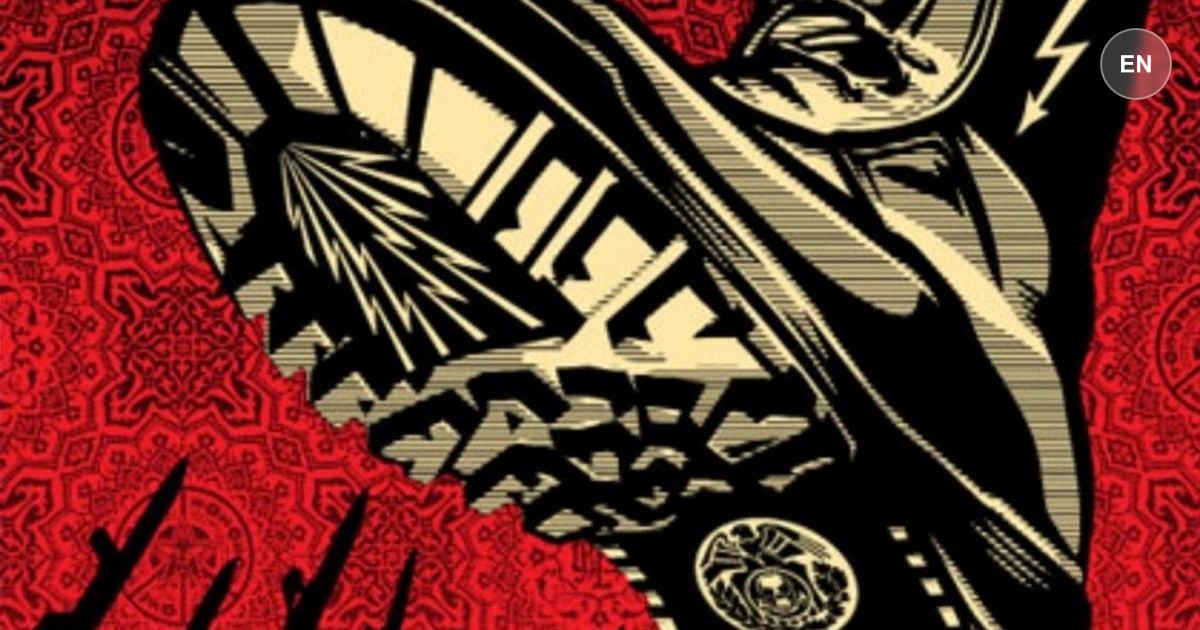
The Iron Heel springs its trap on the socialist congressmen through a carefully orchestrated false flag operation. During a heated debate over aid for the unemployed, Ernest delivers a scathing speech calling out his fellow congressmen as 'creatures of the Plutocracy' who wear 'the scarlet livery of the Iron Heel.' As tensions reach a boiling point, a bomb explodes at Ernest's feet - not killing him, but providing the perfect excuse for mass arrests. Ernest and all socialist congressmen are immediately charged with terrorism, despite having no involvement in the bombing. The narrator reveals that the Iron Heel itself planted the bomb, using a desperate prisoner named Pervaise as their agent.
This revelation comes from a confession discovered centuries later in Vatican archives. The trial is swift and predetermined - Ernest receives life imprisonment while his comrades get lengthy sentences. The chapter exposes how authoritarian regimes create false emergencies to justify crushing dissent.
Ernest's defiant speech represents the last gasp of legitimate opposition before the Iron Heel consolidates total control. The bombing serves multiple purposes: it eliminates the socialist threat, justifies increased militarization, and demonstrates the futility of peaceful resistance. The narrator's detailed analysis of the frame-up shows how truth can be buried for generations while lies become accepted history.
London exposes something chilling about power: it doesn't wait for real emergencies to expand control. The Iron Heel plants the bomb themselves, then uses it to justify exactly what they wanted to do anyway - eliminate all opposition. This isn't incompetence or overreaction; it's calculated manipulation. The timing reveals everything. Ernest's speech threatens their control, so suddenly there's a terrorist attack that requires arresting all socialist congressmen.
How convenient. This pattern echoes constantly in modern workplaces. Your department faces 'budget constraints' right before contract negotiations, but executive bonuses remain untouched. The hospital declares a 'staffing crisis' while refusing to hire more nurses, then demands mandatory overtime 'for patient safety.' Your company discovers 'security vulnerabilities' that require monitoring all employee communications, right after workers start organizing. The manufactured crisis serves multiple purposes: it eliminates immediate threats, justifies expanded control, and makes resistance seem dangerous or unpatriotic.
London shows us that those who manufacture crises count on our good faith - they know we'll assume emergencies are real and respond accordingly. But once you recognize the pattern, you see how manufactured urgency always benefits the same people who created it. Real emergencies have transparent causes and solutions. Fake ones rely on fear, secrecy, and demands that you stop asking questions and trust authority.
Explore this chapter with AI to uncover deeper meaning and practical takeaways.
AI Discussion