
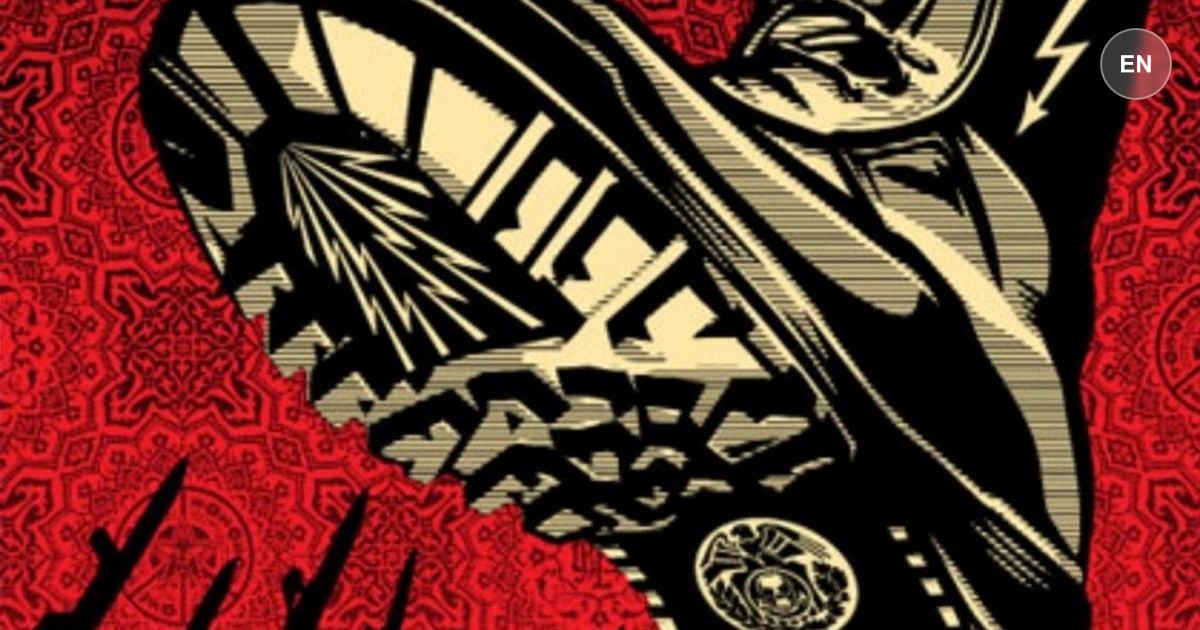
The Iron Heel reveals its master strategy for preventing revolution: buying off the strongest labor unions with massive wage increases and privileges, creating a labor aristocracy that abandons their fellow workers. This 'grab-sharing' system forces the general public to pay for these higher wages through increased prices, while non-favored workers face harsher conditions and lower pay. The betrayed workers turn violent against the 'traitors,' leading to street fights, assassinations, and complete social segregation. The favored union members and their families are forced into separate communities with better housing, schools, and treatment, creating a permanent caste system within the working class.
Meanwhile, the rest of the world erupts in revolution and chaos. Japan crushes its own socialist uprising with brutal efficiency, executing tens of thousands. England barely holds onto India while losing its colonies to socialist movements. Religious mania sweeps America as desperate people, finding no earthly hope, flock to apocalyptic preachers proclaiming the end times.
Hundreds of thousands abandon work to wait for divine salvation in the mountains, only to starve. The Iron Heel uses military force to drive the religious fanatics back to work, executing their leaders. Through all this chaos and division, the Oligarchy grows stronger, using the very confusion it helped create to justify its iron control. While Grangers and socialists boast about their electoral victories and growing support, Ernest grimly asks the crucial question: 'How many rifles have you got?' He understands that when the moment of truth comes, political power without military force means nothing against the Iron Heel's armies.
London shows us something brutal about how power operates: it doesn't need to crush everyone to stay in control. It just needs to buy off enough people to create enforcers from within the ranks of the oppressed. The Iron Heel's strategy is surgical, identify the strongest unions, the natural leaders, the people others look up to, and make them an offer they can't refuse. Not just money, but status, security, a better life for their families.
The price? Abandon everyone else. What makes this so devastating is that it works by exploiting our deepest human needs. These favored workers aren't evil, they're trying to provide for their families, trying to escape poverty, trying to build something better.
But in accepting these privileges, they become isolated from their former allies and dependent on the very system that oppresses others. The genius is that it creates resentment in all directions: the abandoned workers hate the favored ones, the favored ones look down on those they left behind, and everyone forgets who's really pulling the strings. This pattern shows up everywhere today: in workplaces where some departments get resources while others are starved, in communities where some groups get opportunities while others are ignored, even in families where one child gets privileges in exchange for reporting on the others. The question isn't whether you'll ever be offered a deal, it's whether you'll recognize the true cost when it comes.
Explore this chapter with AI to uncover deeper meaning and practical takeaways.
AI Discussion