
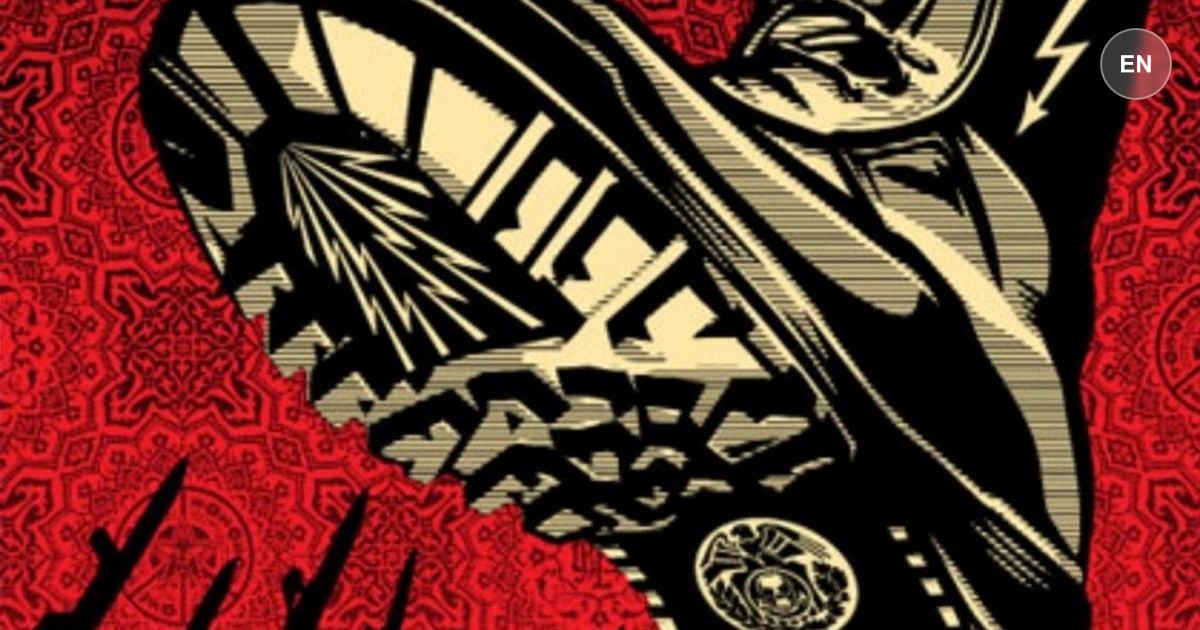
Avis watches her comfortable academic world collapse as her father becomes a target of systematic suppression. After his book 'Economics and Education' exposes how the capitalist class controls education, he's quietly forced to resign from the university. When publishers mysteriously refuse to reprint his book after the plates are 'accidentally damaged,' the family realizes they're facing something far more organized than simple disagreement. The suppression escalates when newspapers deliberately misquote her father, turning his call for 'social revolution' into 'revolution' and painting him as a dangerous anarchist.
Meanwhile, socialist publications face coordinated attacks, the Appeal to Reason loses its mailing privileges, then mysterious mobs destroy its printing facilities entirely. Ernest warns that these 'Black Hundreds' represent a new phase of organized opposition to labor movements. As economic hard times hit, massive strikes are brutally crushed by private armies of strike-breakers backed by federal troops. The middle class, which had supported crushing organized labor, now finds itself targeted by the same powerful trusts it helped empower.
Small businesses and manufacturers are systematically destroyed while the largest corporations grow stronger, buying up the wreckage at bargain prices. Ernest realizes that peaceful political change is impossible, the Iron Heel has revealed itself and will never allow true opposition to gain power through elections. Even his fellow socialists can't grasp how completely the game has changed.
Jack London understood something in 1908 that feels eerily relevant today: power doesn't just fight its opponents directly, it captures the institutions meant to regulate that fight. In The Iron Heel, universities, newspapers, and courts all become weapons against the very people they're supposed to serve. The genius of this system is its invisibility. Each institution can claim it's still fulfilling its mission while quietly serving different masters. Today we see this everywhere.
Regulatory agencies filled with former industry executives. News outlets owned by corporations with clear political agendas. Professional licensing boards that protect industry interests over public safety. Academic research funded by companies studying their own products. The pattern is always the same: identify which institutions pose a threat, then either capture them from within or destroy them from without.
What makes this particularly insidious is how it turns our trust against us. We're taught to respect expertise and institutional authority, so when these same institutions tell us everything is fine, we want to believe them. But London shows us the warning signs: when institutions consistently make decisions that benefit the powerful at the expense of their stated mission, when whistleblowers face coordinated attacks from multiple directions, when alternative voices are systematically marginalized or silenced. The question isn't whether this is happening, it's whether we're paying attention.
Explore this chapter with AI to uncover deeper meaning and practical takeaways.
AI Discussion