
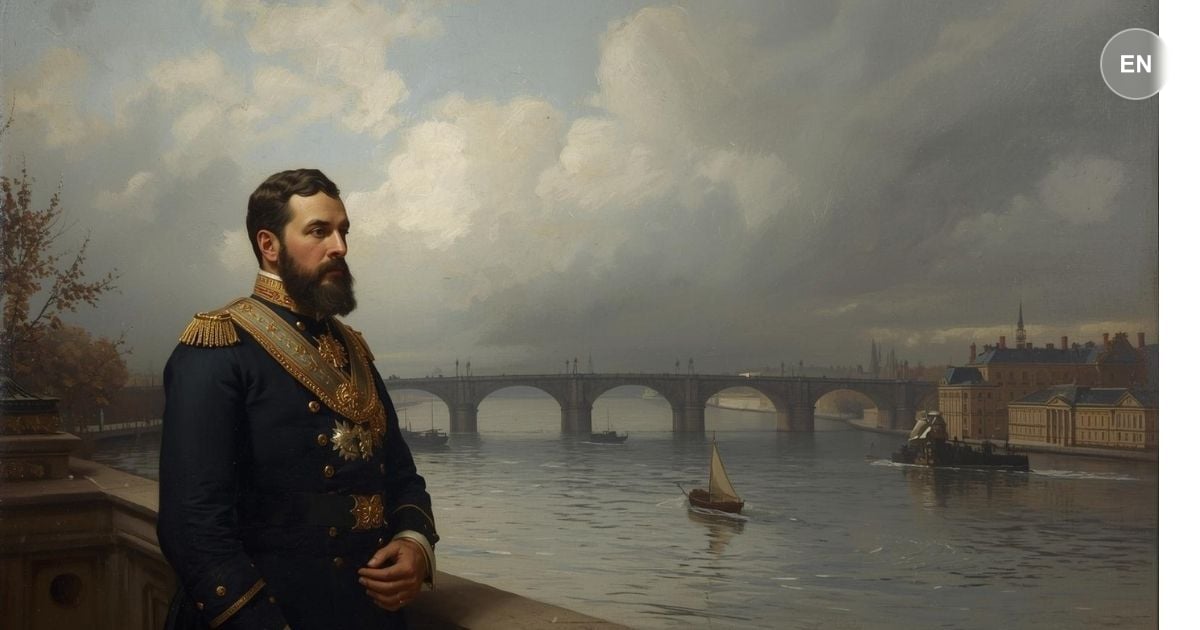
I will not deceive you. Reality got him so entrapped that he forgot his sentence. He tormented faithful Colia for sparing the poor invalid. He smiled at the corpse of Surikoff's child. The poor wretch's lips trembled. Go out, he said, in a whisper. No anger. After that he took off his hat on the stairs and got away as quick as he could.
A pocket-book falls in the Shestilavochnaya. He runs. Five storeys. A baby of three weeks. A ruined doctor who has been driven from office to office for five months. I think you dropped this. The man is lost without it. Hippolyte writes down the name and goes to an old school enemy, Bachmatoff. The doctor gets another post. On the Nicolai bridge Bachmatoff glows with the joy of one good action. Hippolyte tells him about the old general who visited convicts. A murderer, years later, still wonders if that old general is alive. Then the thought that eats him. With a month left, he can only attempt a little good deed, more within his means.
Rogojin's house is like a burial-ground. Over a door, Christ just taken down from the cross. No beauty left on the face. How could they have gazed on that and still believed he would rise. That night he believes Rogojin sits under the icon lamp and stares. The door was locked. It was impossible he should have come in. The ghost had humiliated him. He could not bear to be subordinate to that dark force embodied as a loathsome insect. It was simply a matter of disgust. Towards evening, when he had made up his mind, he began to feel easier.
Dostoevsky understood something psychologists wouldn't formally recognise for another century: trauma and terminal diagnoses don't make people simply 'good' or 'bad', they strip away social conditioning to reveal our raw, contradictory humanity. The narrator's cruelty toward the grieving father and kindness toward the desperate doctor aren't opposing forces; they're two sides of the same coin. When we face our mortality, normal social filters disappear. We become reckless with others' pain because we're drowning in our own, yet we also become capable of extraordinary generosity because conventional self-interest no longer applies. This pattern appears everywhere in ordinary working life. Healthcare workers during COVID developed both profound compassion for patients and shocking callousness toward family members. Parents facing divorce fight viciously over custody while making profound sacrifices for their children. Employees getting laid off become workplace bullies and generous mentors simultaneously. We want to judge these contradictions, but Dostoevsky suggests something deeper: crisis doesn't change who we are, it reveals who we've always been. The question isn't whether someone facing loss will act consistently, but which of their revealed impulses they'll choose to feed. Understanding this pattern helps us navigate our own crises with more self-compassion and respond to others' contradictory behavior with greater wisdom.
Explore this chapter with AI to uncover deeper meaning and practical takeaways.
AI Discussion