
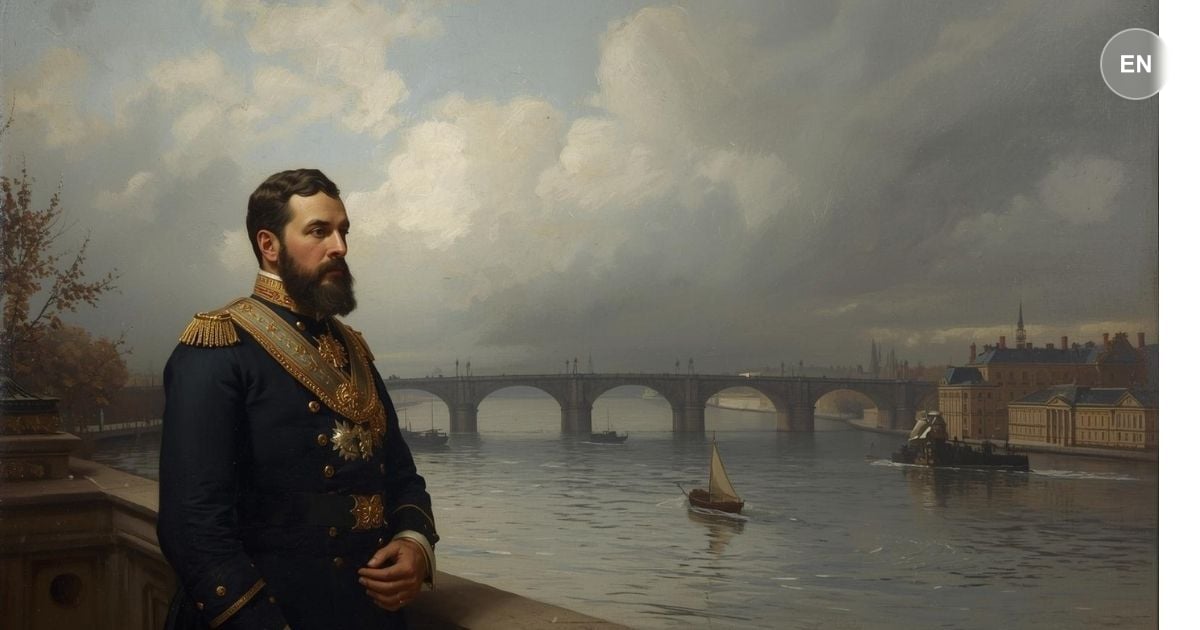
The verandah is blazing when he comes home with Rogojin. They have already been drinking. All of them arrived on the same evening, as though with one accord. He had only recollected that it was his birthday a few moments since. You only have to whistle and they come up in shoals, Rogojin says. Vera takes his hand and wishes him a happy life from that day forward. Then she runs to the kitchen. Hippolyte has been waiting on purpose. I can see you are so happy by your face. Evgenie takes one arm. Ferdishenko takes the other. The duel with Moloftsoff is settled. That is not why he came. He needs a sincere friend. He will wait until the company departs. Twenty minutes. The prince says he is too absent to care.
Evgenie confirms the uncle story is true, word for word. Everybody knew it except himself. He will be in town three days. Hippolyte has drunk three glasses. How long before daylight. He wants a ray of the sun. Lebedeff will not keep to the point. Railways. The springs of life. A cannibal who ate sixty monks and six children, then denounced himself. There must have been an idea stronger than the stake or the fire. Show me a force like that in this century of vices and railways. All is loose, soft, limp. That is not the question. The question is to sit down to the banquet.
Keller wants to know how Lebedeff bought the house. Gania pushes away his glass and sits by Rogojin. Rogojin has drunk nothing. He raises his eyes as if he is waiting for something of his own. Hippolyte is stretched on the sofa, asleep. Evgenie signs toward that face. He cannot tear his thoughts away from it.
Dostoevsky captures something universal about human gatherings: the moment genuine celebration transforms into competitive performance. Lebedeff's champagne-fueled speeches about civilization's decay aren't really about history - they're about his need to be seen as profound and important. This same dynamic plays out everywhere today. Work socials become stages for showcasing success rather than celebrating achievements. Family reunions turn into competitions over who's doing better rather than genuine reconnection. Online networks amplifies this pattern exponentially - every gathering becomes content, every moment becomes performance. The tragedy isn't that people want recognition; it's that the performance prevents the very connection they're seeking. Notice how the most meaningful moments in Dostoevsky's scene happen at the edges - Evgenie's urgent private conversations, Hippolyte's quiet mention of wanting to see sunrise. Real life often happens in these margins while everyone else performs centre stage. The question isn't whether to eliminate all social performance - some ritual and celebration serves important purposes. The question is learning to recognise when the show is preventing genuine human connection, and having the courage to step off the stage when it matters most.
Explore this chapter with AI to uncover deeper meaning and practical takeaways.
AI Discussion