
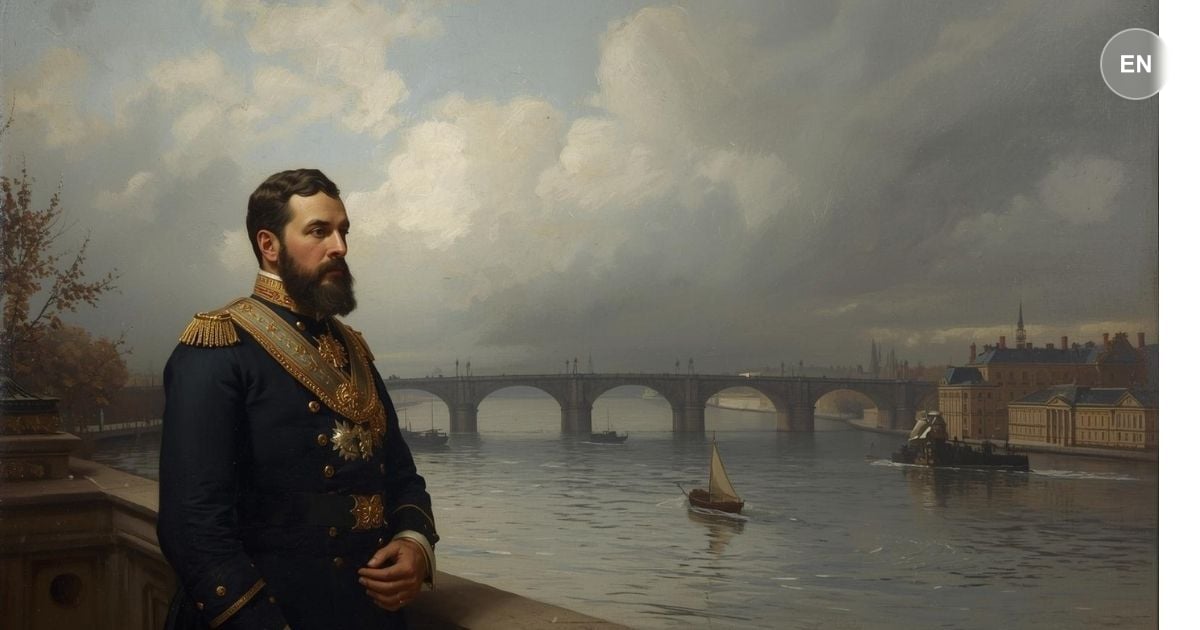
He still cannot say what he will do when he gets in. He came to tell her not to marry this man, who loves only the money. Gania said so. Aglaya said so. Even that does not seem legitimate. There is another question he dare not think of. He goes in anyway. Dirty boots, wide-brimmed hat, sleeveless cloak. The maid is not astonished. Totski spent five years on this flat, calculating that comfort would become indispensable. She loved the comforts and told him she could do just as well without them. That was a very unpleasant communication.
The party is small for the anniversary. Totski and General Epanchin wait, amiable, for a decision about Gania that has not been spoken. Gania stands apart, gloomy. She has not asked after Varia. She has reminded him of the slap. He tells the history, including the apology, and says the prince is very far from an idiot. Ptitsin has been beating up a hundred thousand for Rogozhin, who must have it by evening. She will not say what she thinks. The pearls were accepted coldly. Ferdishenko is the only one in good spirits. The announcement of the prince's name makes her look astonished. She had not thought of inviting him. Then she is so pleased that they all prepare to smile. He does this out of pure innocence, the general says. He asked himself, Ferdishenko says. He must pay toll. Only stupid people tell the truth. That is his privilege.
She comes forward to thank him for his resolution, and looks into his eyes for the motive. He cannot speak. He is dazzled. At the drawing-room door he whispers that she is altogether perfection, even the pallor and thinness. Don't apologise, she says. You spoil the originality. You may be a good reader of riddles, but you are wrong there. I'll remind you of this, tonight. Gania says it is a clear case, from the portrait on. The prince only answered a question. Champagne, except Gania. She vows three glasses. She laughs, then goes gloomy. She looks at her watch without stopping. She feels ill. She puts on a shawl. Their presence is absolutely necessary tonight. Ferdishenko knows a game: the worst action of your life, and no one allowed to lie. Totski says it is only a new way of boasting. Whoever is afraid of wolves had better not go into the wood. Sincerity, Totski says, is only possible with a kind of bad taste. The prince puts his hand into the hat and draws the names. Ferdishenko first. Totski sits miserable enough. The general lingers over his champagne and thinks of a story for when his turn comes.
Dostoevsky understood something crucial about human behavior: we often participate in situations we know are destructive because speaking up feels more dangerous than going along. In this chapter, everyone at Nastasia's party can sense the toxic energy, but politeness becomes a trap. Nobody wants to be the one who 'ruins' the gathering by calling out what's obviously wrong. This pattern repeats constantly in modern life. Think about workplace meetings where one person's anger derails everything, but everyone just sits there. Family dinners where someone's drinking creates tension, but nobody addresses it. Friend groups where one person's drama becomes everyone's problem because confrontation feels harder than enabling. The mechanism is always the same: someone in emotional crisis takes control of a social situation, and instead of addressing their distress directly, the group gets pulled into increasingly inappropriate behavior. We mistake participation for support, but actually we're making things worse. The person driving the toxicity doesn't need our compliance - they need someone brave enough to interrupt the spiral. Dostoevsky shows us that recognising this pattern is the first step toward breaking it. When we can name social contagion as it's happening, we gain the power to choose our response rather than just getting swept along.
Explore this chapter with AI to uncover deeper meaning and practical takeaways.
AI Discussion