LIVE
OCD← Home
The Handmaid's Tale cover
1985
The Handmaid's Tale
Margaret Atwood · The Van and Historical Notes
Chapter 46
Ch. 45
Reading
Ch. 46
Loading audio...
0:000:00

Serena Joy finds the lipstick on Offred's cloak, and the silence that held this household together finally breaks. She knows. The Commander deflects. The maids freeze in doorways. Everything Offred has survived through careful invisibility is now exposed, not by Gilead's surveillance apparatus but by a wife's jealousy over an intimacy she never sanctioned.

Offred waits in her room and runs the math on her own guilt. Illegal reading. The club. Nick. Mayday. Gilead does not need proof; it only needs a reason. When Nick slips into her room and tells her to trust him, she cannot know whether he is Mayday, a loyal lover, or an Eye who has been watching all along. The words mean everything and nothing at once.

The black van arrives. Guardians with rifles flank the door. Offred walks downstairs in her red dress, hands visible, face emptied of expression. She steps into the van. The door closes. And Atwood does something radical: she refuses to tell us what happens next.

Then the novel pivots entirely. It is the year 2195. A professor named Pieixoto stands at a podium in Nunavit, presenting cassette tapes found in a Maine cache. He explains that the voice on those tapes is what we have just read. Scholars debate whether Offred escaped, died, or embellished. The audience laughs at a joke. Atrocity has become a conference panel.

This epilogue is not a reward for finishing the book. It is a warning. The academics are polite, credentialed, and completely comfortable treating a woman's terror as an intellectual puzzle. Gilead is gone, but the instinct to manage and categorize women's stories from a position of authority has not gone anywhere. It just wears better clothes.

What Atwood leaves us with is not resolution but responsibility. Offred's voice survived on tape. It reached us. The question the novel ends on is not what happened to her. The question is what we do with what she said.

Amplified Discussion
What happens to a story after it gets told?

There is a specific kind of grief that comes from being heard and still not helped. Most people have felt it. You say the thing. You find the words, which is hard. You deliver them to the right person in the right format, which is harder. And then the institution receives your words, thanks you for them, and produces a process. A committee. A review. A finding. A letter. And you are left holding the original harm, now accompanied by paperwork.

Atwood names this mechanism with devastating precision in her epilogue. Two hundred years after Offred recorded her testimony on cassette tapes, a scholar named Pieixoto presents those tapes at an academic conference. He is not cruel. He is careful, credentialed, and thorough. He also makes a joke that gets a laugh. The audience is engaged, intellectually curious, and entirely comfortable. Offred's recorded terror has become a research problem, and research problems do not require grief. They require methodology.

This is not a failure unique to dystopian fiction or to the distant future. It is the ordinary behavior of institutions when they process testimony that would otherwise require them to change. The HR department that documents your complaint and finds no violation. The hospital committee that reviews a near-miss and produces a training module. The school board that holds a listening session and then votes the same way it was always going to vote. Each of these processes is, technically, a response. None of them is accountability.

The question worth sitting with is this: what is the difference between a system that hears you and a system that acts on what it heard? And when you are inside a process that feels like the first kind masquerading as the second, what do you actually have the power to do?

Offred's answer was to keep recording. To trust that the voice itself had value, even without knowing where it would land. That is not a comfortable answer. But it is an honest one.

Explore this chapter with AI to uncover deeper meaning and practical takeaways.

AI Discussion
Why it matters

Recognizing When a System Absorbs Your Story Without Acting On It

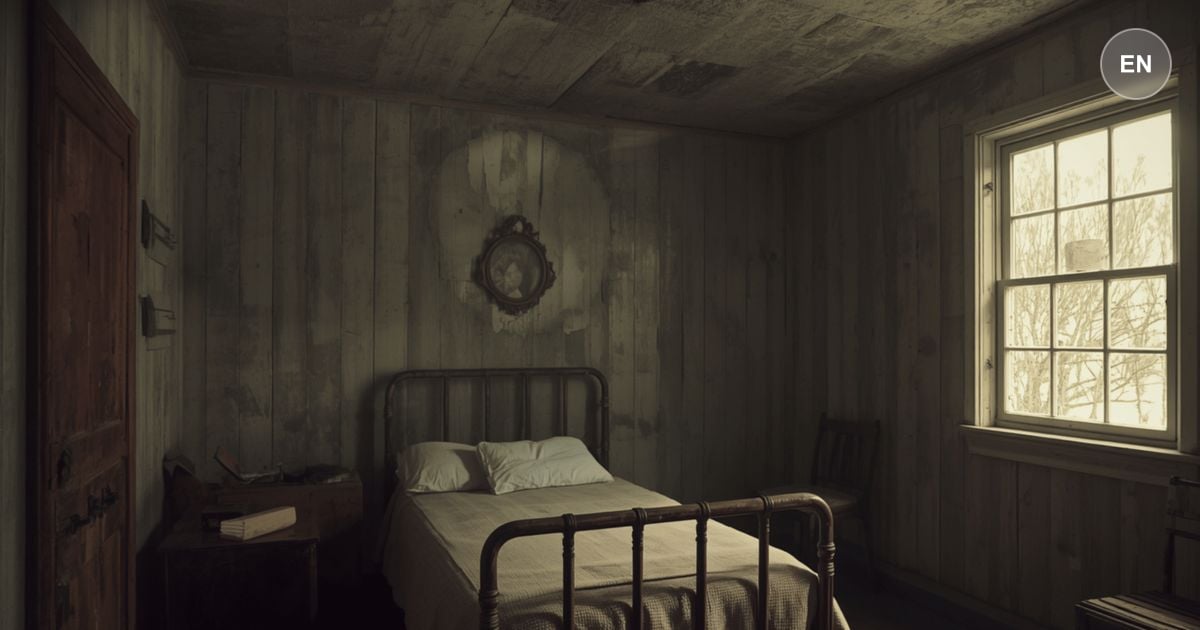
A room can feel like a cage long before anyone calls it protection. The Commander deflects. Use recognizing when a system absorbs your story without acting on it as a lens: name who holds power in the scene, then ask what small choice would preserve agency without pretending the system is fair.

Lessons

PracticeThis week, notice when a response to your concern focuses more on procedure than on outcome: if someone tells you what steps were followed rather than what will change, that is the mechanism running, and you have the right to ask directly what is different now than before you spoke.

Psych reading

The Testimony Absorption Loop

When systems outlast the harms they produced, they tend to convert survivor testimony into manageable content, preserving the words while draining them of their original urgency and demand.

In the mind

Here is the pattern this chapter reveals: survival stories get swallowed by the systems that outlast them. A woman endures something unbearable, finds a way to speak it into the world, and then watches as that world turns her testimony into a topic. The terror becomes a text. The person becomes a puzzle. This is not a failure of memory. It is a feature of how power protects itself across generations.

The mechanism works like this. When a system of control finally falls, the people who come after it need to process what happened. That processing is legitimate and necessary. But processing requires distance, and distance creates a kind of comfort that can quietly replace accountability. Pieixoto and his colleagues in 2195 are not villains. They are scholars doing what scholars do: organizing, questioning, contextualizing. The problem is that their tools, their tone, and their audience laughter turn Offred's recorded terror into an intellectual exercise. They debate whether her account is accurate. They joke. The woman who lived it has been converted into a source, and sources do not require grief. They require citation.

This pattern runs through modern life constantly. A nurse reports a patient safety concern and watches it get routed through a committee that produces a report no one reads. A woman describes workplace harassment and sits through an HR process designed to protect the institution more than her. A community loses its water supply and gains a documentary. A teenager's suicide note becomes a training module. In each case, the story survives. The urgency does not. The system absorbs the testimony and continues.

What Atwood teaches here is that the act of speaking is not enough. Offred spoke. The tapes survived. The scholars found them. And still, two centuries later, a man at a podium made a joke. So the navigation question is not just how to tell your story. It is how to protect the weight of your story as it travels. When you report something, document who received it and when. When you share something painful in a professional context, name what you need from the listener before you begin. When you witness a system converting a real harm into a procedural matter, say it out loud: this is a person, not a problem to be managed. You are not being difficult. You are refusing to let the mechanism run unopposed.

When you can name the pattern, predict where it leads, and navigate it successfully, that is usable knowledge. Offred's voice reached us across two centuries. The question is whether we hear it as a warning or file it under required reading.

Find the right chapter

Each mood maps to a life skill. Each skill connects to the patterns in classic literature.

😔How do you feel😊

Personalize your match

Optional—life stage, what you need today, and what you're navigating help us pick chapters that fit—not generic lists. You may also freeform using the feeling search below.

Sign in to save your profile

Choices stay on this device until you sign in.

Browse the Full Library
4,582Chapters
118+Books
86Authors