
Phoebe is furious about the plan to go west. She will not go with him. She gives the money back and walks off in tears. That reaction, more than any adult speech, stops the disappearance. Holden meets her at the zoo and takes her to the carousel in the rain, as he promised.
She rides and reaches for the gold ring. He sits on a bench and gets soaked and does not call her back. Children have to grab, and sometimes they fall. You have to let them. The catcher fantasy loosens its grip. He cries from exhaustion, from Allie, from relief, from the sight of her coat flying. She comes back with the coat for him. They walk towards home. The petrol station is abandoned. He will face his parents. The rain and the music belong to her, even if a rest home is somewhere ahead of him.
The going-west plan dies because she will not share it and he will not leave her behind. Watching her reach is the answer to the field of rye. He does not catch her. He stays. The breakdown that will put him in a rest home is still ahead. This hour is hers.
There is a particular kind of love that looks like care from the outside but functions like a cage. It shows up in parents who can't watch their kids fail a test without intervening. It shows up in older siblings who take the blame so often that the younger one never learns consequences. It shows up in workers who cover for a struggling coworker so consistently that the coworker never builds the skill they need. The love driving all of it is genuine. That's what makes it so hard to see clearly.
Salinger wrote this chapter in 1951, and the cultural backdrop matters. The postwar years produced a generation of Americans who had watched real, catastrophic things go wrong, and the response was a kind of anxious over-management of everything that followed. Fathers who survived combat came home and tried to control every variable in their children's lives. Mothers who had held families together through rationing and absence gripped the domestic world so tightly that their kids had no room to breathe. The catcher-in-the-rye fantasy Holden carries through the novel is not just his personal quirk. It is a portrait of what grief does to a person when it never gets processed: it turns into a project. You cannot bring back what you lost, so you build a system designed to prevent the next loss.
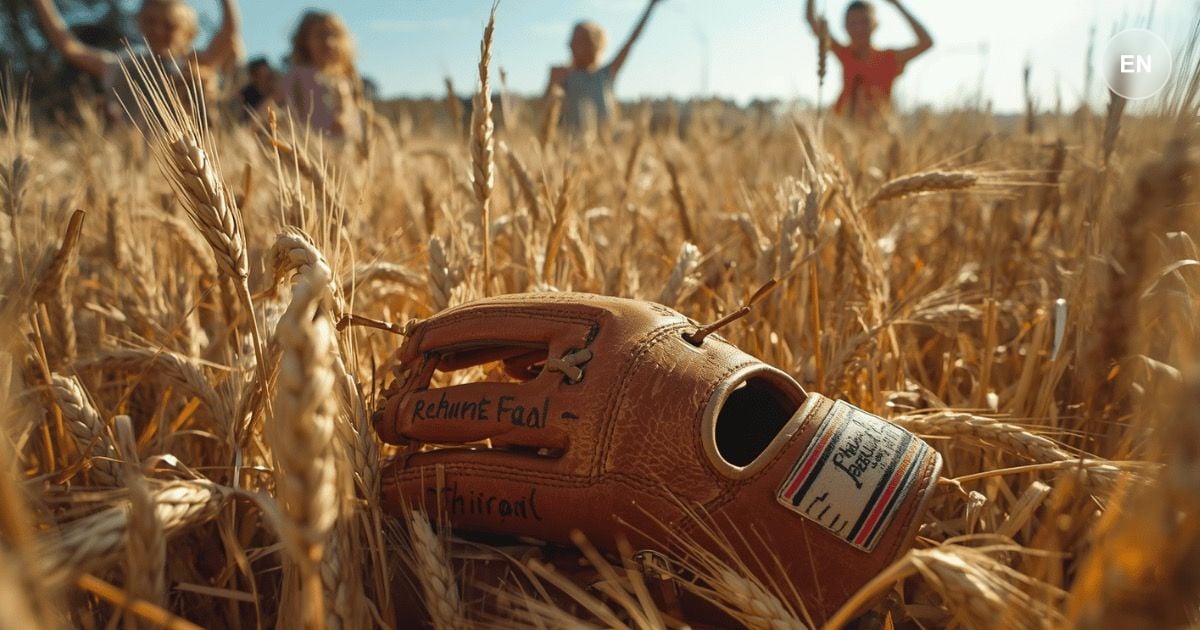
The problem with the system is that it doesn't work. You cannot catch every child at the edge of every cliff. And even if you could, you would be stealing something from them. The gold ring on the carousel is just out of reach by design. Kids lean out to grab it knowing they might fall. That leaning is how they find out what they are made of.
For people navigating life on a wage, where the margins are thin and a real fall carries real consequences, this is a genuinely hard thing to sit with. The stakes feel too high to let someone you love take risks. But the question this chapter leaves open is worth sitting with: what does it cost the people you love when you never let them find out what they can handle?
Explore this chapter with AI to uncover deeper meaning and practical takeaways.
AI Discussion