
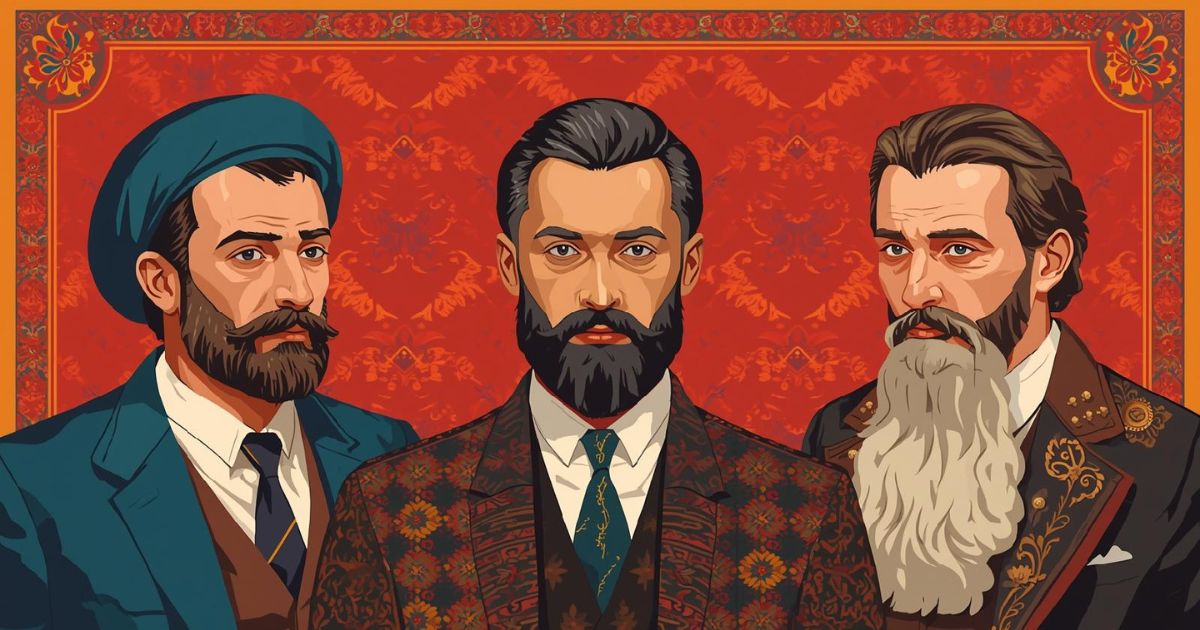
Fetyukovitch resumes in a feeling voice. What is really damning is one fact, the dead body of his father. Had it been an ordinary murder, they would have hesitated to ruin a man's life. And indeed some fathers are a misfortune. We must shrink from nothing. The dead body damns Mitya more than any weak fact: parricide makes the jury fear acquittal. He asks what a real father is and shows Fyodor was no such father, taunting, seducing Grushenka, slandering his son. Mitya was left like a beast, yet tender beneath his ferocity, loving Schiller and longing to forgive.
He defends Katya's money and attacks her courtroom fury. Filial love for an unworthy father is absurd; love cannot be created from nothing. He cries Fathers, provoke not your children to wrath to all Russia, cites the Finnish girl who killed her infants, and says fatherhood is duty, not begetting alone. The court applauds wildly.
Returning to the night, he calls the blow impulse, not parricide by prejudice. Punishment will harden Mitya; mercy may break him. Better acquit ten guilty than one innocent; Russian justice saves souls. He contrasts Ippolit's runaway troika with Russia's stately chariot and puts the verdict in the jury's hands.
Dostoevsky's courtroom scene reveals something revolutionary about power structures that still applies today. Fetyukovitch argues that biology alone doesn't make someone a father—care, guidance, and protection do. This same principle extends to every authority relationship in our lives. The supervisor who expects loyalty while providing only criticism. The parent who demands respect while offering only neglect. The doctor who wants compliance while showing only impatience. The partner who seeks devotion while giving only demands. Traditional thinking says we owe respect to certain roles automatically. But Dostoevsky suggests something more radical: respect must be earned through consistent actions over time. When someone holds a position of authority but fails to fulfill its responsibilities, they create what we might call 'hollow authority'—all the external trappings of power without the substance that justifies it. This creates a toxic dynamic where the person in power expects deference they haven't earned, while those under them feel guilty for withholding what feels unnatural to give. Recognizing this pattern gives us permission to set boundaries without shame. We can be professional, civil, even kind—while refusing to sacrifice our wellbeing for someone who's proven they'll misuse our loyalty. The question isn't whether someone has authority over us, but whether they've used that authority to protect and guide us, or simply to serve themselves.
Explore this chapter with AI to uncover deeper meaning and practical takeaways.
AI Discussion