
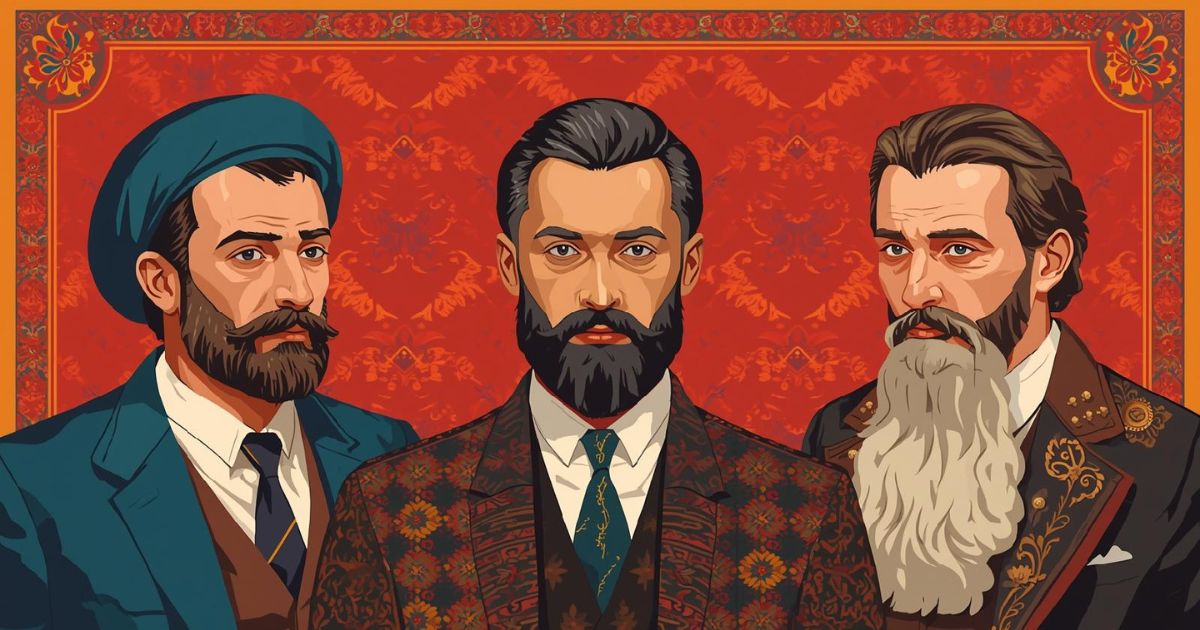
The medical experts were never Fetyukovitch's main bet; Katerina Ivanovna insisted on them, and comedy followed. There is an element of comedy in the doctors' difference of opinion. Herzenstube, the pious local doctor, calls Mitya abnormal and cites his stiff march into court and failure to glance at the ladies. The Moscow specialist agrees on insanity but mocks that theory and says a sane man would look right towards his lawyer. Young Varvinsky insists Mitya is normal and that looking straight at the judges proves it; Mitya shouts Bravo from the dock.
Then Herzenstube unexpectedly helps the defense. Searching for a proverb about two heads, he loses the word, says Mitya's wits went wandering, and drifts into memory: a neglected boy in the yard, a pound of nuts, German prayers taught finger by finger. Adult Mitya returned to thank him, the only person who had ever given him that gift. No one had ever bought the boy a pound of nuts. He lifted his finger and said, Boy, Gott der Vater. The boy laughed. Doctor and defendant weep in court.
Then Alyosha is examined. He recalls a fact which seems to furnish positive evidence against one important point made by the prosecution.
Dostoevsky understood something we face daily: expertise can become theater when reputation is on the line. The three doctors examining Dmitri care more about sounding right than being right, each manufacturing certainty where none exists. This isn't unique to 1880 Russia—it's the human condition when authority meets ego. Today we see this pattern everywhere. Medical specialists give conflicting diagnoses rather than admit diagnostic limits. Financial advisors confidently predict unpredictable markets. Mechanics find different expensive problems with the same car. Teachers and parents blame each other while protecting their authority. Social media experts contradict each other hourly, each claiming special insight. The pattern intensifies when stakes are high and audiences watch. What makes Dostoevsky's scene brilliant is the contrast: while doctors perform expertise, Dr. Herzenstube's simple childhood memory reveals genuine human insight. The toy truck matters more than medical theories because it shows authentic connection. This teaches us to ask different questions when experts disagree. Instead of 'Who's right?' ask 'What are they protecting?' Look for who admits uncertainty. Trust expertise that acknowledges limits. When you need real answers, seek multiple opinions but focus on areas of agreement. Most importantly, remember that simple human observation often cuts deeper than professional analysis.
Explore this chapter with AI to uncover deeper meaning and practical takeaways.
AI Discussion