
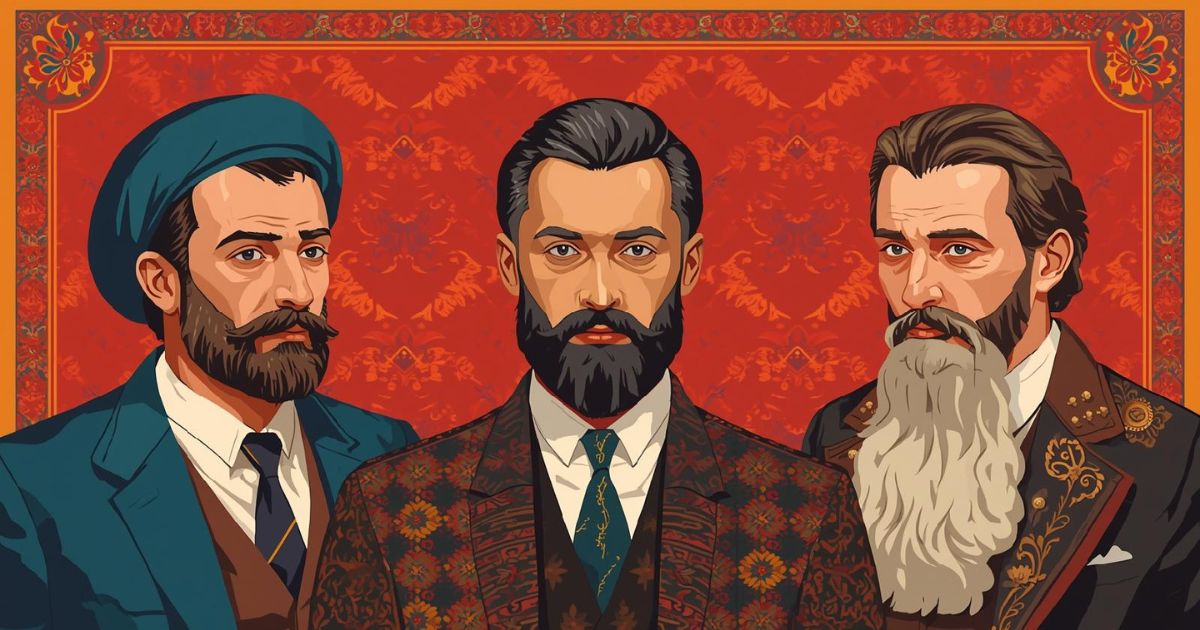
Captain Snegiryov asks Alyosha to walk slowly. The air is fresher than the rooms. His beard was thicker a week ago, and the schoolboys call it his tow. Dmitri dragged him by that beard out of the tavern into the market-place as the boys came out of school. Ilusha ran up, hugged him, and cried, Let go, it's my father, forgive him, and kissed the hand. Alyosha swears Dmitri will express his regret, even on his knees in that market-place. The captain says that is only Alyosha's own warmth. Dmitri did stop. He called them both officers and told the captain to send a challenge if he could find a second. The captain retired with Ilusha. That scene, he says, is a family record. It is not for them to claim the privileges of noblemen.
Since then the boys have teased Ilusha with "wisp of tow." Schoolboys, he says, are angels one by one and merciless together. An ordinary boy might have felt ashamed of his father. Ilusha stood up for him, and for justice. At nine, the children of poor gentlemen know what justice means. The truth entered Ilusha in the square and crushed him. That day he fell ill with fever and was delirious all night. Next day he got drunk and spent his last penny drowning his troubles.
The evening before last they walked in a wind with no sun, a feeling of autumn, twilight coming on. The captain sat on the great stone. As many as thirty kites were flapping. He spoke of mending last year's kite. A gust blew up the sand. Ilusha fell on him, arms round his neck, and sobbed, Father, how he insulted you. They sat shaking in each other's arms. No one saw them. God alone, the captain hopes, will record it.
Alyosha offers two hundred roubles from Katerina, not from Dmitri. Nina is rheumatic, and her right side aches at night. There could be a bath, food, and a way for Varvara, who cannot get back to Petersburg. Then the captain's mouth twists. He shows the two notes, crumples them, flings them on the sand, and tramples them under his heel. So much for your money. The wisp of tow does not sell his honour. He runs, turns, kisses his hand to Alyosha, and cries out what he would say to his boy if he took money for their shame. Alyosha does not follow. He picks up the notes, smooths them, and goes to Katerina to report.
Dostoevsky understood something brutal about poverty: it's not just about lacking money—it's about the impossible choices that come when your dignity has been publicly destroyed. Captain Snegiryov's dilemma echoes through every working-class family today. The single mother who won't apply for food stamps because her neighbors might see. The laid-off factory worker who won't take a retail job because it feels like admitting defeat. The teenager who won't ask for college help because their family 'doesn't take handouts.' Each time, the same trap closes: accept help and feel like you've betrayed your principles, or refuse it and watch your family suffer. What makes this particularly cruel is that children are watching. Ilusha fights other kids to defend his father's honor, just as kids today absorb their parents' shame and turn it into rage. The tragedy isn't that people have pride—it's that a system exists where having dignity and having security feel mutually exclusive. Yet Dostoevsky also suggests a path forward: sometimes the most courageous thing isn't protecting your ego, but swallowing it for your children's future. The real question becomes not 'What will people think?' but 'What kind of future am I creating?' When we understand this pattern, we can help others navigate it—and recognize when we're trapped in it ourselves.
Explore this chapter with AI to uncover deeper meaning and practical takeaways.
AI Discussion