
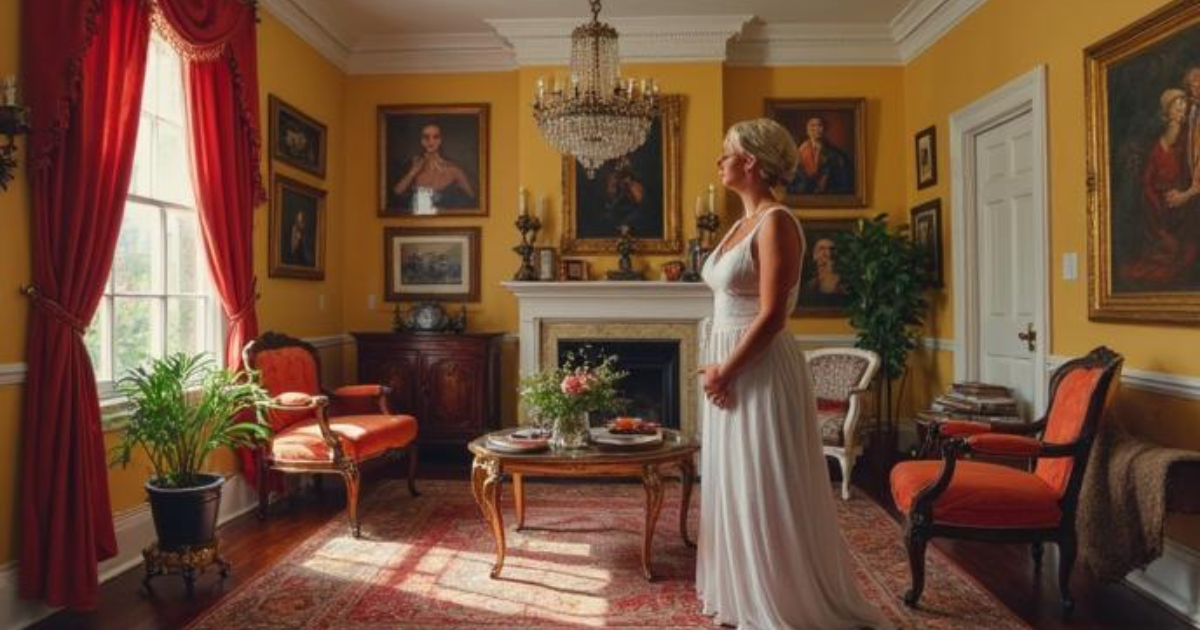
Sunny days bring confident painting; gray weather sends Edna chasing stimulation. She returns to the races with Alcée Arobin and Mrs. Highcamp, speaks with authority about horses, wins money, and draws Arobin's magnetic attention. After a sparse dinner at the Highcamps', Arobin escorts her home, lingers to light a cigarette, and kisses her hand with pressing lips. Edna recoils verbally yet cannot make refusal sound sincere. Alone, she wants something unnamed to happen, counts winnings, and tosses sleeplessly. She remembers neglecting her letter to Léonce and drafts one in her head that differs from what she will mail. Another race day without Mrs. Highcamp ends at Edna's house with dinner, fireside talk, and Arobin showing a duel scar; her fingers clutch his hand before she pulls away. He apologizes, claims his emotions not her manner misled him, and begs to return. Edna admits he is nothing to her yet feels narcotized by touch; she thinks of Robert, not Léonce, as the person whose opinion matters. The chapter maps how boredom and risk invite the wrong intimacy while true longing stays aimed elsewhere. The chapter advances Edna's awakening through concrete choices, relationships, and sensations that cannot be undone by social performance.
In 1899, April Pontellier found herself alive only at the racetrack, chasing the electric thrill of gambling and flirtation while her genuine creative work felt flat by comparison. Today's April faces the same trap in different packaging: living for weekend bar nights, retail therapy, online praise, or workplace drama because normal life feels gray and empty. The pattern is ancient but the delivery systems are modern and more addictive than ever. When we're disconnected from our authentic selves, we start substituting artificial highs for real satisfaction. The problem isn't the excitement itself—it's that each borrowed thrill makes ordinary life feel more colorless, creating a cycle where we need bigger hits to feel alive. The warehouse worker who finds identity only in expensive sneakers, the parent who shops compulsively for control, the person who creates relationship drama because conflict feels more real than peace—all are walking April's path. The solution isn't eliminating excitement but building a life where genuine satisfaction doesn't require artificial stimulation. This means learning to sit with boredom, investing energy in activities that build rather than just consume, and asking hard questions about what we're really avoiding. When you can distinguish between the rush that fades and the engagement that sustains, you've gained a navigation tool that works in any era.
Explore this chapter with AI to uncover deeper meaning and practical takeaways.
AI Discussion