
In the dark at Bramshurst, Tess tells Angel what he has never known. After the wedding he walked in his sleep with her in his arms, crossed the Froom, and laid her in the stone coffin at the ruined abbey. He says that if she had told him next day, much of the woe might have been prevented. She tells him not to think outside of now. Fog keeps the caretaker away. He slips out and brings back tea, bread, and a kettle that will burn without smoke. Five days pass. The birds of the New Forest are their only company, and they hardly speak of anything after the wedding day. When he talks of going on to Southampton or London, she will not move. Inside, she says, is content. Outside is trouble. She would rather be dead than live to see him despise her.
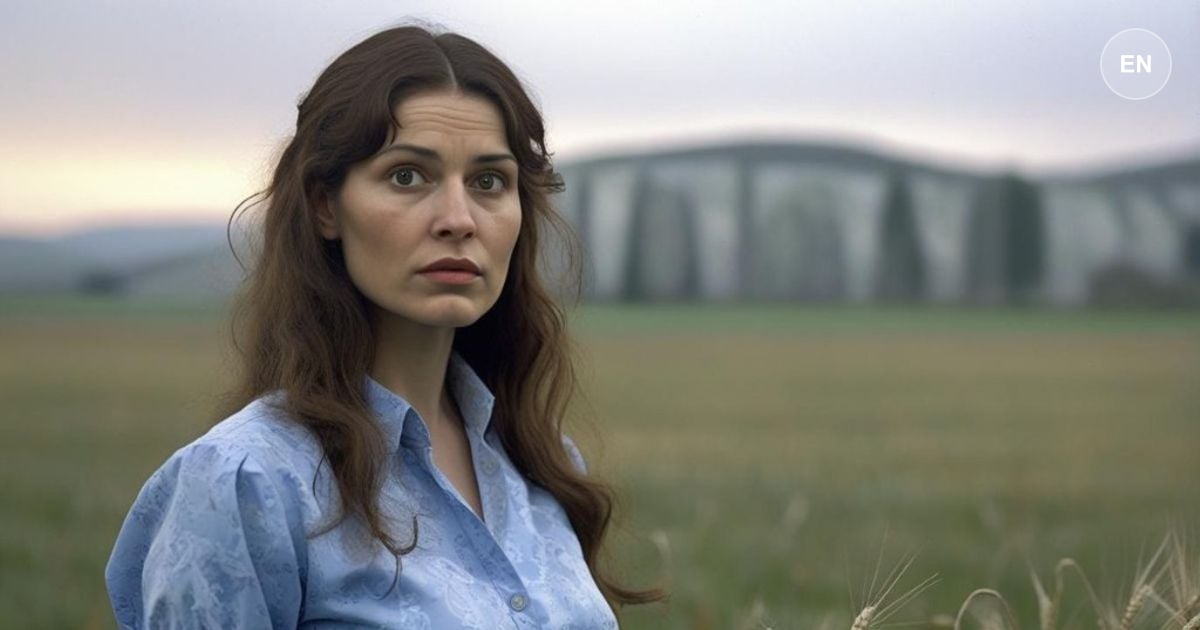
A clear sunrise brings the caretaker early. She hears breathing, gets the door an inch open, and sees them asleep, Tess’s gown and parasol on a chair. She draws back and goes to consult her neighbours. Tess and Angel wake with the sense that someone has been there, and they leave at once. Tess looks back at the house and says goodbye to it. She thinks her life can only be a few weeks. He keeps them heading north. If they are sought, he says, it will be at the Wessex ports. They pass through Melchester at midnight, off the pavement so their steps will not echo. Beyond the town the dark comes down like a cave, and they walk into a huge stone. The wind booms on it like a harp with one string. More pillars stand beyond the first, some joined overhead, some fallen. Angel says it is Stonehenge, older than the d’Urbervilles. Tess is too tired to go on. She lies down on a warm slab out of the wind. He thinks she is lying on an altar. She says that if he called her a heathen at Talbothays, she is at home.
He puts his overcoat over her. She asks him, if anything happens to her, to watch over ’Liza-Lu, and to marry her. The girl has the best of Tess without the bad, and then death would not quite divide them. He answers that if he loses Tess he loses all. She asks whether they will meet after they are dead. He kisses her and gives no answer, and she fears the kiss means no. Her hand loosens in his. She sleeps. Light grows between the pillars. Men come in from every side. Sixteen of them are on the Plain, and the whole country is raised. Angel looks for a loose stone, or any way out. The nearest man says it is no use. Angel asks them to let her finish her sleep. They stand as still as the stones until a ray of sun wakes her. She starts up and asks if they have come for her. He says they have. She tells him this happiness could not have lasted. She stands, and goes forward. I am ready, she says.
Hardy shows us something uncomfortable: life doesn't coordinate its gifts with our readiness to receive them. Teresa and Angel finally achieve the intimacy they both wanted, but only when the law is closing in and their time is measured in days, not years. This isn't literary tragedy, it's human reality. The parent who finally breaks through to their difficult teenager just as the kid leaves for college. The couple who rediscover their connection during a terminal diagnosis. The friend who wants to reconcile just as you're moving across the country. We wait for perfect conditions that never arrive, then receive imperfect gifts at impossible times. Hardy understood that our choice isn't between perfect timing and no timing, it's between receiving what life offers when it offers it, or missing it while we wait for better circumstances. Teresa chooses presence over perfection. She doesn't waste their precious days explaining how things could have been different, or demanding promises about the future. She lets love exist without guarantees, speaks her truth without expecting solutions, and finds peace in impermanence. The ancient stones of Stonehenge witness her choice, a reminder that humans have always faced this same dilemma between accepting life's timing or demanding our own.
Explore this chapter with AI to uncover deeper meaning and practical takeaways.
AI Discussion