
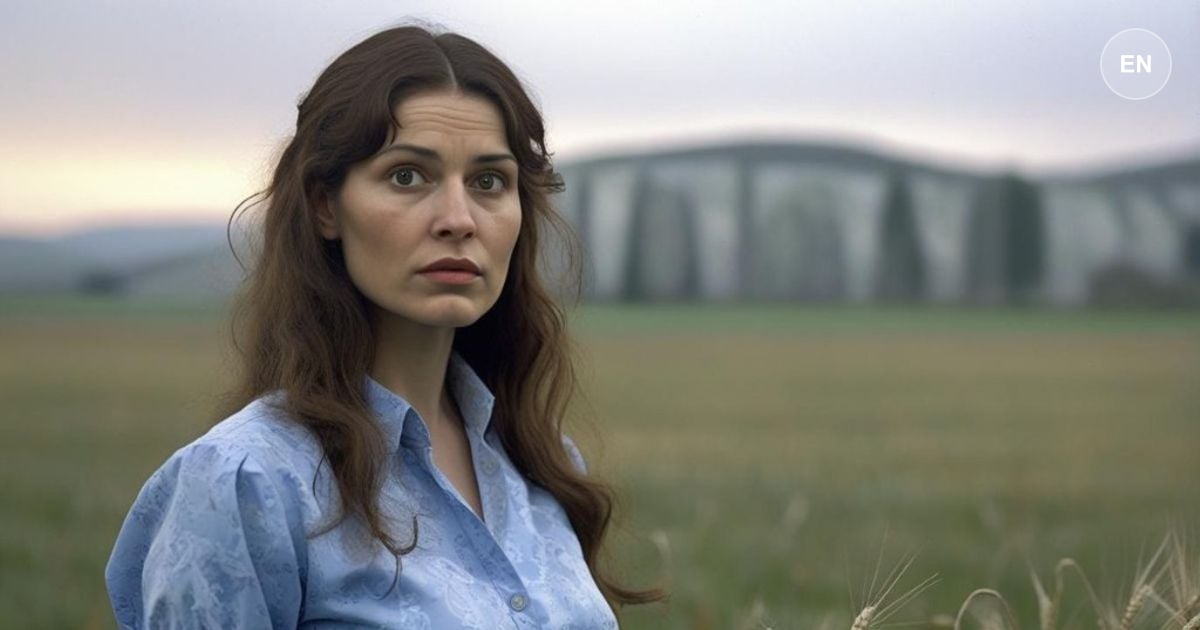
Blackmoor already knows a grander wedding than the one Tess can walk into. At the turnpike she hears that Sir John stood treat for the parish, and that Joan sang at The Pure Drop till past eleven. The bride is supposed to be away with a gentleman-farmer. Tess leaves the luggage, sends the carriage off, and comes by the back lane. Joan is wringing a sheet. They married on Tuesday. It is Saturday, and he has gone. Tess sobs the cause against her mother's bosom. Joan had ordered silence. Tess told him. Joan splashes them both from the tub and calls her a little fool. The sin, Joan says, was marrying him first. If it had to be done again, Tess answers, she would tell him again. She could not leave him blind.
Joan then takes the blow as she would take a wet holiday or a failed potato crop, a thing from outside, not a lesson. She will tell John, who has been boasting at Rolliver's and The Pure Drop that the family will rise through Tess. Upstairs, Tess's bed has been given to the younger children. Through the floor she hears her father ask whether the man can be made to keep her, and whether there was a marriage at all, or something like the first time. Even here her word can be doubted.
A note from Angel says he has gone to the North of England to look at a farm. She uses it as her reason for leaving, and lets them think she is going to join him. Of the fifty pounds he gave her, she puts twenty-five into her mother's hands, so that his wife will not look forsaken. She leaves on the strength of the note. After she has gone, the house lives on the money, and Joan believes the breach has already closed, because the two could not bear to live apart.
Hardy exposes a painful truth: sometimes the people who claim to love us most are actually invested in a version of us that serves their needs. Teresa's parents aren't celebrating her happiness, they're celebrating what her marriage does for their social standing. When she threatens that narrative with honesty, they turn on her. This dynamic hasn't disappeared. Today we see it in parents who live vicariously through their children's achievements, posting every success on public feeds while ignoring the child's actual struggles. We see it in families who pressure members to stay in toxic relationships because divorce 'looks bad.' We see it in communities that rally around successful members when they're winning, then distance themselves when scandal hits. The mechanism is always the same: borrowed pride creates conditional support. People invest in your image rather than your wellbeing, and when those two conflict, they choose the image. Teresa's choice to leave rather than live a lie shows remarkable strength, but it also reveals the isolation that comes with refusing to play along with others' illusions. How many of us have felt the pressure to maintain a facade not for ourselves, but for people whose love seems to depend on our success? How do we distinguish between genuine support and borrowed pride masquerading as care?
Explore this chapter with AI to uncover deeper meaning and practical takeaways.
AI Discussion