
Chapter 23 continues "The Words of the Wise" and covers dining with the powerful, the instability of wealth, parenting, the fear of the LORD, alcohol, and the strange woman, moving through these subjects with more rhetorical energy than most of the couplet chapters.
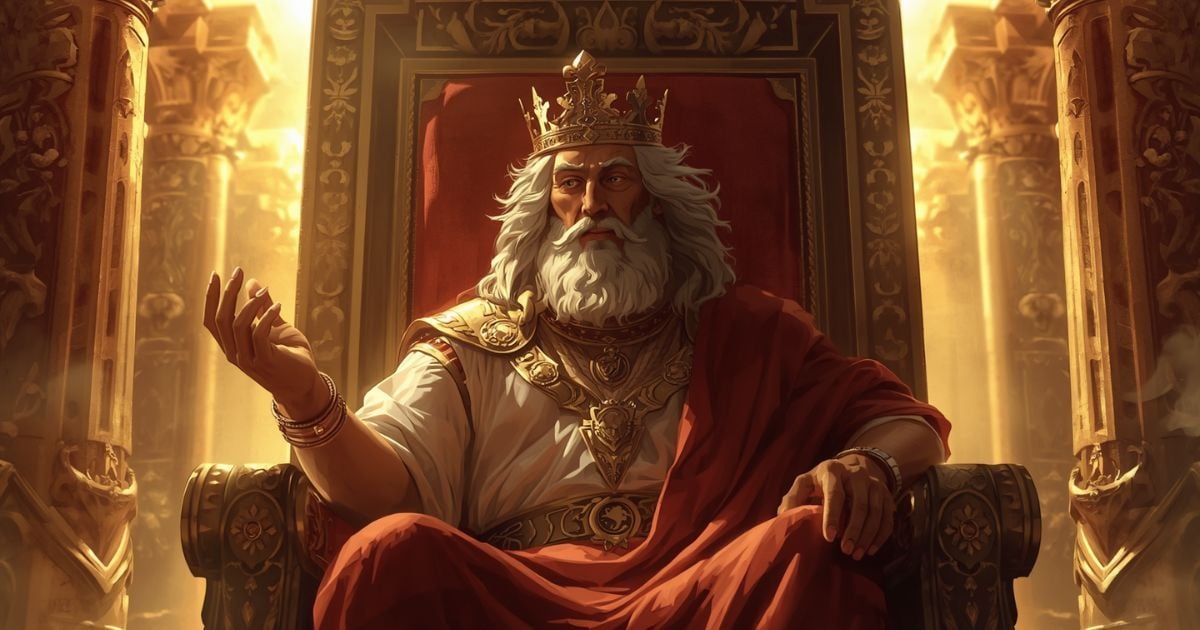
The opening instruction is specific and practical: when you sit to eat with a ruler, consider carefully what is before you. Put a knife to your throat if you are a man given to appetite, a vivid way of saying exercise severe self-control. Do not desire his delicacies, for they are deceitful food. The reason follows: as he thinketh in his heart, so is he, what a man says and what he is can be entirely different things. His mouth says eat and drink, but his heart is calculating. This is one of the most quoted lines in Proverbs, and it lands here as a warning against reading hospitality as friendship.
Laor not to be rich; cease from your own wisdom. Will you set your eyes on something that is not? Riches make themselves wings and fly away as an eagle toward heaven.
On parenting: withhold not correction from the child; if you beat him with the rod he shall not die. Beat him with the rod, and you shall deliver his soul from hell. Then the emotional motivation: my son, if your heart is wise, my heart shall rejoice, the father's investment in the child's wisdom is personal and deep.
Do not let your heart envy sinners; be in the fear of the LORD all the day long. For surely there is an end, and your expectation shall not be cut off.
Hearken to your father who begat you, and do not despise your mother when she is old. Buy the truth, and sell it not; also wisdom, and instruction, and understanding, truth is something to be purchased at cost and never parted with.
The chapter closes with a sustained portrait of alcoholism that is among the most vivid in ancient literature. Who has woe? Who has sorrow? Who has wounds without cause? They that tarry long at wine. Look not on the wine when it is red, when it moves in the cup, at the last it bites like a serpent and stings like an adder. The drunk man says: they have beaten me, and I felt it not; they have struck me, and I was not sick. When shall I awake? I will seek it yet again. The cycle of addiction is rendered with complete accuracy.
Solomon's warning about dining with rulers reveals a timeless truth: when someone with more power treats you exceptionally well, there's usually a hidden price tag. This isn't cynicism, it's pattern recognition. The mechanism works through obligation psychology. When someone above your pay grade picks up an expensive tab, your brain automatically creates a debt feeling. They're counting on this. Modern examples are everywhere: your boss takes the team out for drinks, then expects unpaid overtime. A wealthy family member pays for something significant, then uses it as leverage in arguments. Healthcare companies wine and dine doctors, expecting favorable treatment later. The pattern isn't that all generosity is fake, it's that unequal generosity often comes with unspoken expectations. Real hospitality feels different. It doesn't come with subtle pressure or implied obligations. It doesn't make you feel like you owe something you can't repay. The person offering it doesn't change their behavior toward you based on whether you accept. Solomon's 'knife to thy throat' represents the self-control needed to recognize these dynamics and respond strategically rather than emotionally. When you can spot the hidden hook before it's set, you maintain your autonomy and make better decisions about which opportunities are genuine and which are traps dressed up as gifts.
Explore this chapter with AI to uncover deeper meaning and practical takeaways.
AI Discussion