
You can miss what is happening right in front of you when you are busy protecting someone else, or still answering an old insult. The Longbourn and Netherfield ladies exchange visits in due form. Jane's manners win Mrs. Hurst and Miss Bingley enough to wish for better acquaintance with the two eldest Bennet sisters, though they find Mrs. Bennet intolerable and the younger girls not worth speaking to. Bingley clearly admires Jane; Elizabeth tells Charlotte that Jane's composure will keep the world from guessing how deep the feeling runs.
Charlotte is not impressed. Conceal affection too well, she says, and you may lose the chance to fix a man; in nine cases out of ten a woman had better show more regard than she feels. Elizabeth defends Jane as not scheming and doubts a fortnight has revealed Bingley's character. Charlotte wishes Jane success anyway, then declares happiness in marriage is entirely a matter of chance and it is better to know as little as possible of a partner's defects. Elizabeth laughs and says Charlotte would never act that way herself.
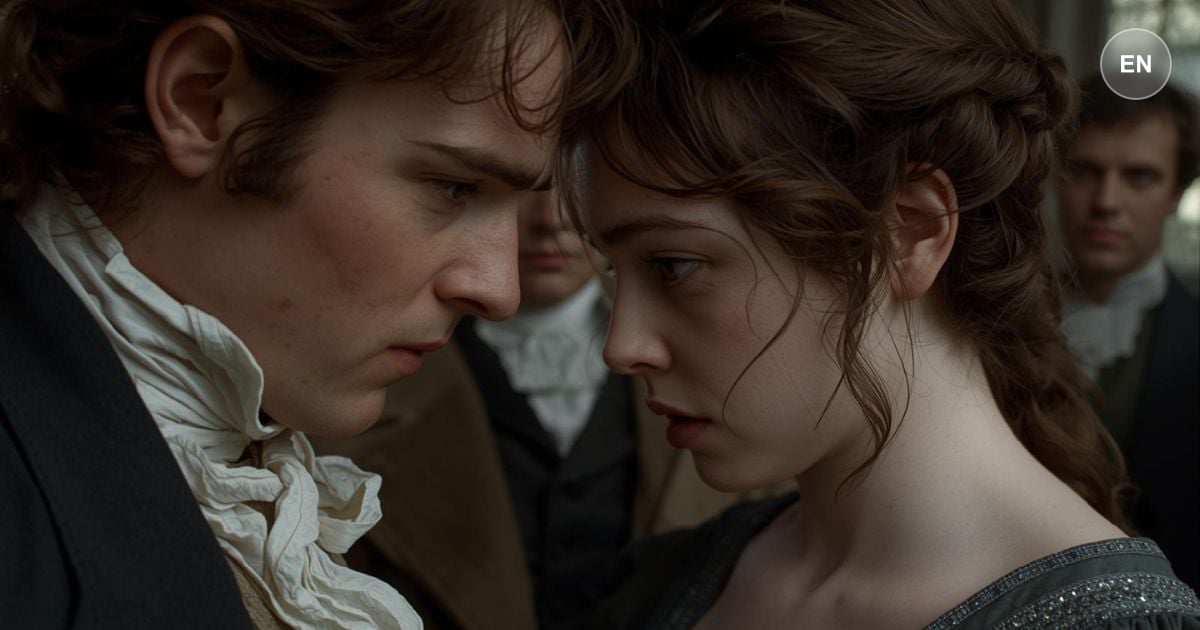
Elizabeth does not yet know she is becoming interesting to Mr. Darcy. The narrator traces his reluctant revision: her dark eyes render her face intelligent; her figure and playful manners attract him though he once thought her not handsome enough to dance with. At Sir William Lucas's party he listens to her conversation; Charlotte dares her to speak to him, and Elizabeth teases him about eavesdropping before being pressed to sing. Sir William tries to present her to Darcy as a dance partner; she refuses firmly. Miss Bingley, probing his thoughts, learns he has been admiring fine eyes in a pretty face. He names Miss Elizabeth Bennet and deflects her jokes about mothers-in-law at Pemberley.
Chapter VI is where Austen splits the romantic plot in two. Charlotte gives the novel its most quoted social realism: show a little more affection than you feel, or lose your chance. Elizabeth answers with the other pole. Jane is not designing a marriage, and a fortnight is not enough to know a man. Readers have argued over Charlotte ever since: is she wise, cynical, or both? Either way, her theory will govern her own choice of Mr. Collins. While Elizabeth defends Jane, Austen lets us inside Darcy's mind. He has decided Elizabeth is not handsome enough to dance with, then discovers her eyes, her figure, her playfulness. Elizabeth remains unaware; she reads his attention as criticism and refuses Sir William's push to dance. The chapter's snap at the end. 'Miss Elizabeth Bennet', turns private revision into social fact. Miss Bingley hears it. So do we. The comedy of country parties (piano, Mary, officers dancing) is not filler; it is the pressure cooker where pride, strategy, and attraction meet.
Explore this chapter with AI to uncover deeper meaning and practical takeaways.
AI Discussion