
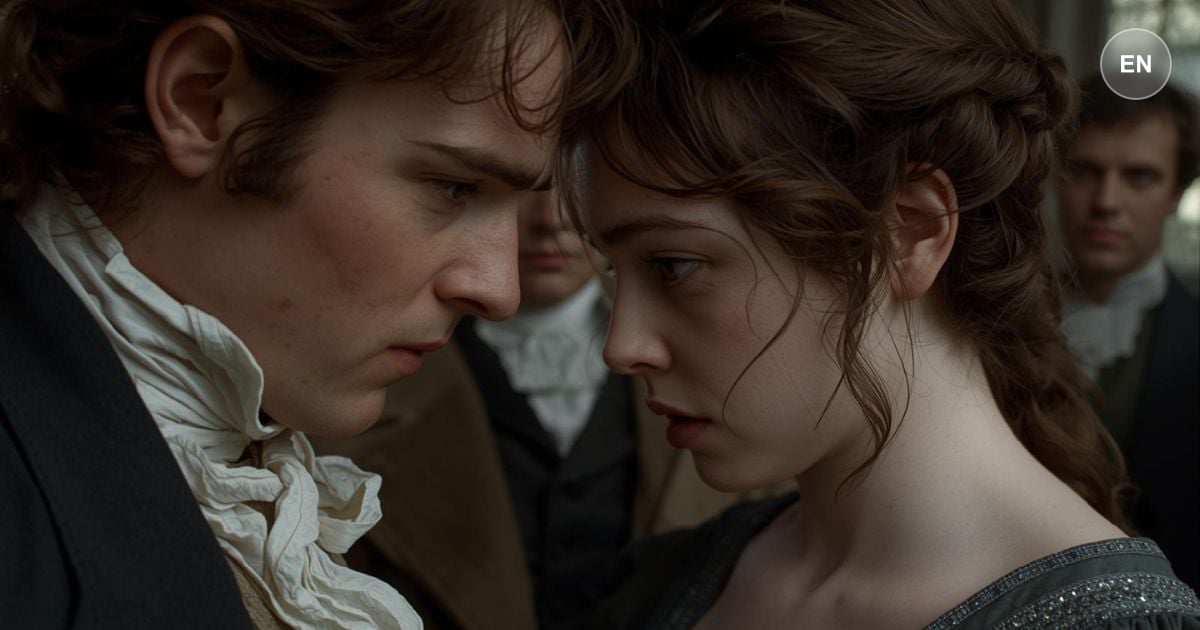
The letter explains what pride and money did in secret, and the person you once favoured tests whether you will still play along. Elizabeth reads Mrs. Gardiner's answer in the copse: Mr. Darcy came to Gracechurch Street the day after she left Lambton, had found Lydia and Wickham through Mrs. Younge, tried to send Lydia home, then secured the marriage, paying debts over a thousand pounds, another thousand for Lydia, purchasing Wickham's commission, and insisting he alone act because his silence about Wickham misled the world. Obstinacy, Mrs. Gardiner jokes, is his real defect; another interest, that is Elizabeth, made her uncle yield the credit. The letter asks her to let the story go no further than herself, or Jane at most.
Elizabeth is overwhelmed: pleasure and pain, pride in his compassion, shame at her past sauciness, grief that they can never repay him, and a whisper that he did it for her checked by the horror of being brother-in-law to Wickham.
Wickham then meets her in the shrubbery, fishes about Pemberley, mentions Darcy in town, and boasts of the Kympton living; she parries with civility and ends with brother-and-sister peace for Jane's sake before they enter the house together.
Chapter LII answers LI's question: Elizabeth's letter brings the Sept. 6 Gracechurch Street reply. Darcy after Derbyshire, Mrs. Younge, Lydia refusing to leave Wickham, marriage expedited, payments and commission, obstinacy, another interest, wedding attendance, aunt's praise. Elizabeth's copse reading and reaction (brother-in-law to Wickham, saucy speeches regretted) precede Wickham's shrubbery scene. Pemberley, Darcy in town, de Bourgh tease, Kympton, conditional living, truce. Do not place Lydia's wedding visit or Darcy slip here (LI); do not place militia departure and Bingley news here (LIII). Main's wrong quotes were from other chapters entirely.
Explore this chapter with AI to uncover deeper meaning and practical takeaways.
AI Discussion