
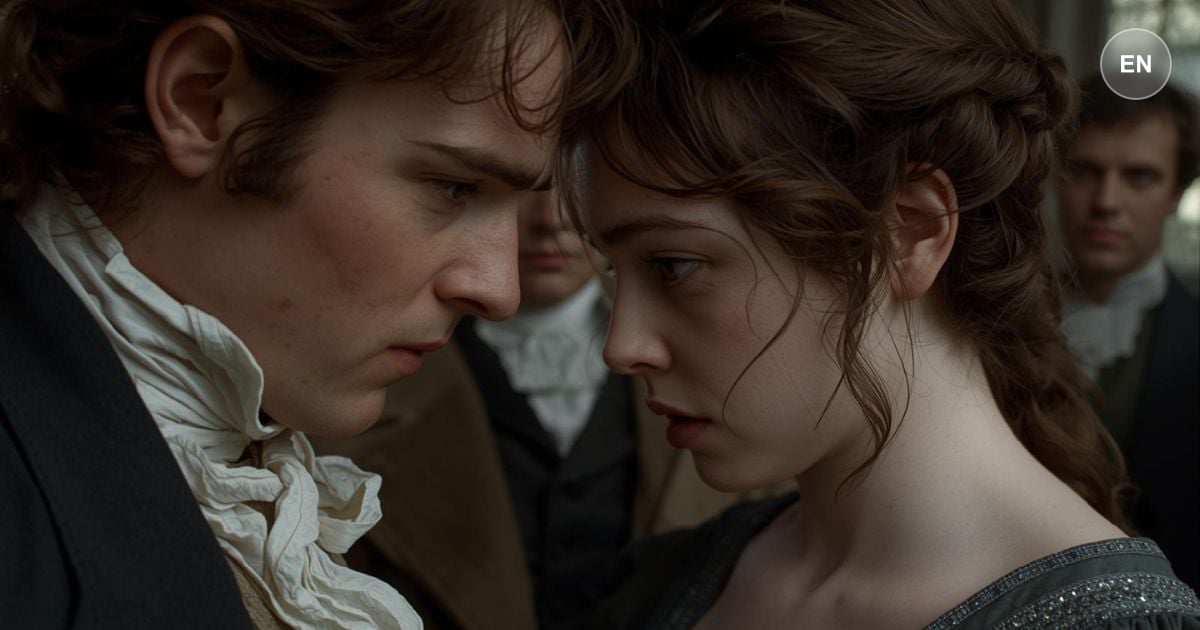
Official news can close a hope you were still nursing in a single polite sentence. Caroline Bingley's letter opens with the party settled in London for the winter and Charles's regret at leaving Hertfordshire without paying his respects. Jane reads: hope was over, entirely over. The rest offers Miss Darcy's praise, growing intimacy, and boast that Bingley is living at Darcy's house with raptures over new furniture.
Elizabeth hears it in silent indignation, still sure Bingley is fond of Jane but angry at his easiness of temper and want of resolution. Jane says her mother gives her pain by talking of him continually; she claims it was only an error of fancy harming no one but herself. Elizabeth calls her angelic, then names Charlotte's marriage unaccountable and refuses to call selfishness prudence.
Jane begs her not to sink her opinion of that person. Elizabeth denies design but blames thoughtlessness and want of resolution, in conjunction with his friend. Jane cannot believe sisters would oppose a real attachment; Elizabeth stops pressing. Mrs. Bennet still expects Bingley in summer; her father congratulates Jane on being crossed in love and tells Elizabeth to let Wickham jilt her. Wickham's frequent visits and general unreserve make Darcy the neighbourhood villain; only Jane allows unknown extenuating circumstances.
Chapter 24 is the emotional low point of the Bingley arc before new complications. Caroline's first sentence does the damage; the rest is propaganda for Georgiana and Darcy. Jane's 'hope was over' is among Austen's cruelest economy of phrase. Elizabeth's intellectual fury, against Bingley's resolution, Charlotte's marriage, and eventually Darcy by name, shows her mind working while her prejudice sharpens. The Jane. Elizabeth debate is a masterclass in two ethics: universal goodwill vs principled judgment. Elizabeth's 'thoughtlessness and want of resolution' is famous because it explains harm without cartoon villainy, yet she still pairs Bingley's weakness with Darcy's power. Mr. Bennet's joke about being crossed in love and pushing Wickham at Lizzy keeps comedy alive in grief. The chapter's close. Wickham's unreserve, everyone pleased to dislike Darcy, plants the disaster Elizabeth will later regret. Jane alone keeps a door open for extenuating circumstances; the neighbourhood slams it shut.
Explore this chapter with AI to uncover deeper meaning and practical takeaways.
AI Discussion