LIVE
OCD← Home
Pride and Prejudice cover
1813
Pride and Prejudice
Jane Austen · Charlotte Listens to Collins
Chapter 22
Ch. 21
Reading
Ch. 22
Ch. 23
Loading audio...
0:000:00

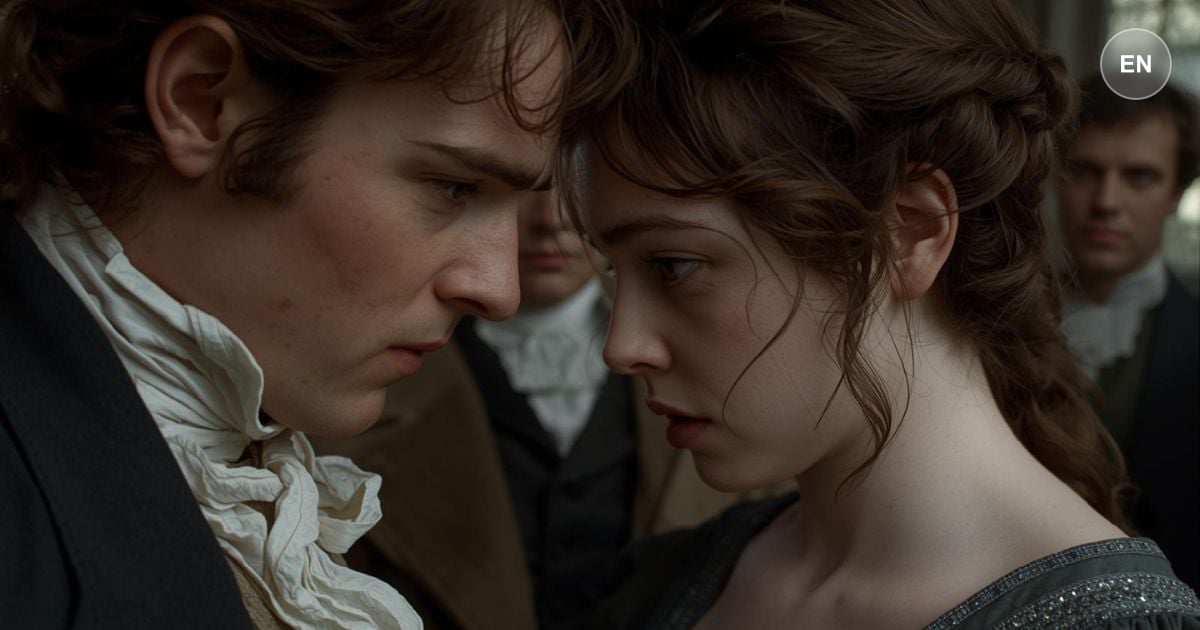
When the problem you rejected becomes someone else's solution, friendship gets tested faster than romance. At the Lucases' dinner Charlotte listens to Collins all day; Elizabeth thanks her. The narrator reveals Charlotte's real object: secure Collins's addresses for herself and shield Elizabeth from any return of his suit.

The next morning Collins slips out of Longbourn with admirable slyness and hurries to Lucas Lodge. Charlotte meets him accidentally in the lane; his love and eloquence exceed her hopes. Everything is settled quickly. She accepts him solely for an establishment and cares not how soon it is gained. Sir William and Lady Lucas consent; Lady Lucas calculates how long Mr. Bennet may live.

Collins is charged to keep the secret until Charlotte tells Elizabeth. At Longbourn he promises to return soon; Mr. Bennet needles him about Lady Catherine. Next morning Charlotte reveals the engagement. Elizabeth cries impossible, then wishes her happiness. Charlotte says she is not romantic and asks only a comfortable home. Elizabeth answers undoubtedly and later reflects that Charlotte has sacrificed every better feeling to worldly advantage. She grieves that her friend has sunk in her esteem and concludes Charlotte cannot be tolerably happy in the lot she chose.

Amplified Discussion
Charlotte's Engagement and Elizabeth's Shock

Chapter 22 is Austen's economic argument in scene form. Charlotte is not a villain: she warned no one she was romantic, she listened to Collins to help Elizabeth, and she executes a plan with full self-knowledge. Collins is the same fool Elizabeth refused; his 'love and eloquence' are comic, his suitability is financial. The Lucas parents' joy and Lady Lucas's lifespan calculation make the entailment plot felt in domestic comedy. Elizabeth's outburst ('impossible!') and her later meditation are the emotional core, she must accept civility while losing the friend she thought she knew. The chapter prepares Charlotte's role at Hunsford and deepens Elizabeth's prejudice against pragmatic marriages before Darcy's first proposal. Readers who only remember the romance plot should remember this chapter as the novel's other thesis on marriage.

Explore this chapter with AI to uncover deeper meaning and practical takeaways.

AI Discussion
Why it matters

Separating pragmatic choices from moral judgment

Shock at a friend's practical choice often reveals your values more than their character. Charlotte tells Elizabeth she is not romantic, asks only a comfortable home, and accepts Collins for establishment while Elizabeth first cries impossible and later grieves the match as worldly advantage over every better feeling. Understand a security-driven decision without endorsing it, and stay civil while mourning a gap you cannot close.

Lessons

In the mind

THE PATTERN: A friend solves your immediate problem by taking the thing you rejected, and chooses security over happiness while sounding perfectly reasonable.

THE MECHANISM: Charlotte listens to Collins to keep peace, but her aim is to lock his addresses onto herself. Collins flees Longbourn secretly, proposes at Lucas Lodge, and Charlotte accepts for establishment alone. Parents calculate inheritances; Collins nearly blabs. Elizabeth learns privately, erupts, then performs civility. Charlotte names her philosophy: not romantic, comfortable home, fair odds. Elizabeth's inner verdict is harsher: worldly advantage over every better feeling, friend disgraced, happiness impossible.

THE MODERN PARALLEL: Your roommate dates the ex you turned down, or a colleague marries the boss you refused: everyone says it makes sense on paper while you feel the friendship shift.

THE NAVIGATION: Separate good match on paper from what you need emotionally. When a friend chooses differently, ask whether shock is about them or about your worldview. Charlotte is not wrong for her goals; Elizabeth is not wrong to grieve the gap.

When you can name the pattern, predict the cost to the friendship, and navigate without cruelty.

Find the right chapter

Each mood maps to a life skill. Each skill connects to the patterns in classic literature.

😔How do you feel😊

Personalize your match

Optional—life stage, what you need today, and what you're navigating help us pick chapters that fit—not generic lists. You may also freeform using the feeling search below.

Sign in to save your profile

Choices stay on this device until you sign in.

Browse the Full Library
4,582Chapters
118+Books
86Authors