
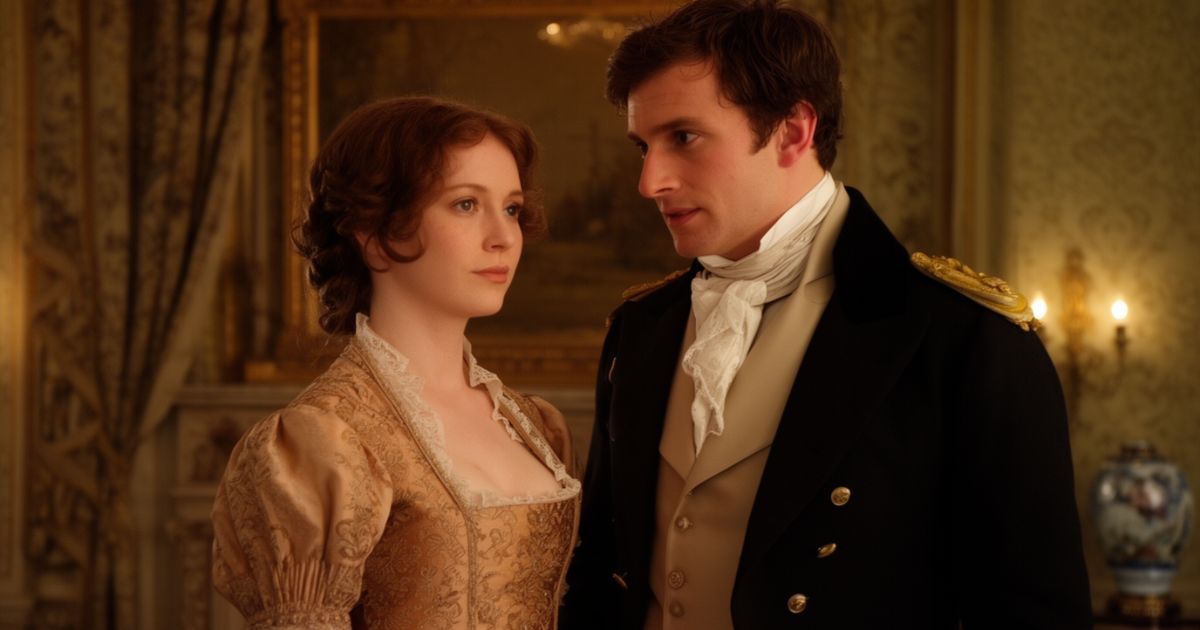
Anne spends her last two days at the Uppercross Mansion House, useful to parents too distressed to arrange the future themselves. The Lyme reports stay cautious, and every account agrees that Captain Wentworth appears fixed there. When the family dreads her leaving, she persuades them to go to Lyme at once and take some care off the Harvilles. She sends them off on her last morning. The cheerful house empties, and she is the last of that company, left with the little boys at the cottage while November rain blots the windows.
If Louisa recovers, Anne has no doubt what follows. The deserted room might fill with prosperous love, everything most unlike herself. Lady Russell's carriage is welcome, yet leaving Uppercross saddens her, because the place holds softened pain and a little friendship she will not meet again. At the Lodge her mind is still at Lyme, so she must force concern for Bath and Mrs Clay. She can speak Wentworth's name calmly only after she tells Lady Russell of his attachment to Louisa. Her friend wishes them happy, and inwardly enjoys the contempt of seeing him charmed by Louisa eight years after he had known Anne's worth.
The call on the Crofts tests them both. Anne says Lady Russell will suffer more, and in conscience she believes Kellynch has passed into better hands. There she learns that Wentworth came yesterday, brought her last note, and asked after her particularly, calling her exertions great. That praise gives her more pleasure than almost anything else could, even while the two women call the accident thoughtlessness and the Admiral jokes about courting by breaking a mistress's head. He offers the rooms and sends compliments for Sir Walter. Then the Crofts say they are going away. Anne smiles over the anxiety she had wasted on meeting Wentworth in that house.
Chapter XIII is not about Captain Benwick's grief in any direct scene; it is about what happens after the useful person has finished the work. Anne keeps Uppercross functioning, sends the Musgroves toward Lyme, and inherits an empty house whose cheerfulness has drained away in days. Her imagination then does the cruelest forecasting: Louisa recovers, Wentworth marries her, and the rooms fill with a prosperous love explicitly unlike Anne. That sequence matters because competence and tenderness do not protect you from being left out of the future you helped make possible. The Kellynch visit complicates the resignation. Wentworth has been there, asked after Anne, and praised her exertions as great, yet Anne still prepares to leave believing she has seen the last of him. Austen shows how premature closure can coexist with fresh evidence if the heart has already filed the case.
Explore this chapter with AI to uncover deeper meaning and practical takeaways.
AI Discussion