
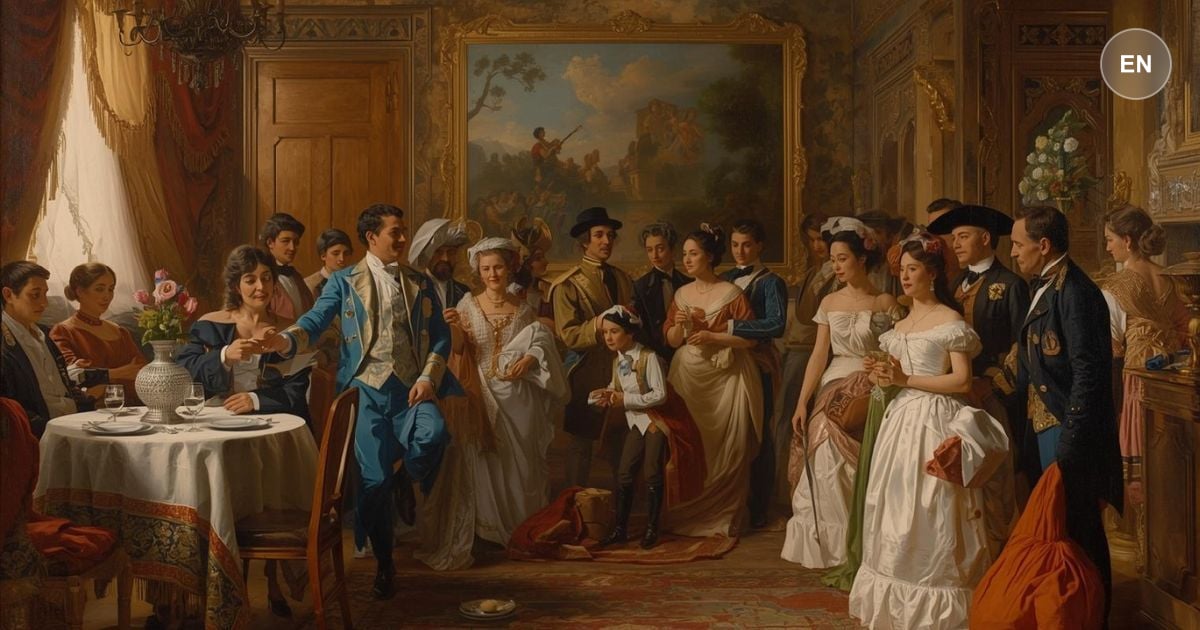
By moonlight on the lake Elias delivers outlaws' demands for military, clerical, and judicial reform, speaking for men who no longer trust paper petitions. Ibarra calls Civil Guard and friars necessary evils preserving Spanish order, citing European education and books while Elias details barracks abuses, forgotten cedulas, and terror that breeds tulisanes in hills the alcalde never visits.
Debate turns to gratitude owed missionaries versus cost of friar rule; Ibarra insists union with Spain requires unchanged religious power. Elias, bitter, says even a persecuted son of Rafael defends oppressors and offers his own story next, as if genealogy were the only argument left when philosophy fails, because books never flogged a grandfather in the plaza.
Rizal exposes the educated oppression trap: privilege and schooling can teach victims to rationalize systems that destroyed their families, and the lake becomes a classroom where two Filipinos argue whether patience is wisdom or complicity while Pablo's four days tick away unseen, and Elias rows closer to the hour when petitions burn, and Ibarra still defends friars who would drown his father again, because reform for him still means working inside the cage, even as outlaws wait for his answer by moonlight while Pablo's four days expire unheard in the reeds.
Rizal exposes something chilling: how colonial education didn't just fail to liberate Filipinos - it actively taught them to defend their oppression. Ibarra's European schooling made him more complicit, not less. He learned to see Spanish brutality as 'necessary order' and Filipino resistance as dangerous chaos. This wasn't accidental. Colonial powers understood that the most effective control comes not from external force, but from internal conviction. When you can get people to police themselves, you barely need police at all. Today, this pattern repeats everywhere. Medical schools teach doctors to see insurance denials as 'cost containment,' not patient abandonment. Business schools teach managers to see layoffs as 'efficiency,' not human devastation. Law schools teach lawyers to see plea bargains as 'justice,' not coercion. The more prestigious the education, the more effective the indoctrination. Students don't just learn facts - they absorb worldviews that serve power. They graduate believing their complicity is expertise, their rationalization is analysis. The most dangerous moment comes when you start defending systems that hurt people like you, using language that sounds reasonable but serves interests that aren't yours. Education should liberate. When it doesn't, ask who designed the curriculum.
Explore this chapter with AI to uncover deeper meaning and practical takeaways.
AI Discussion