
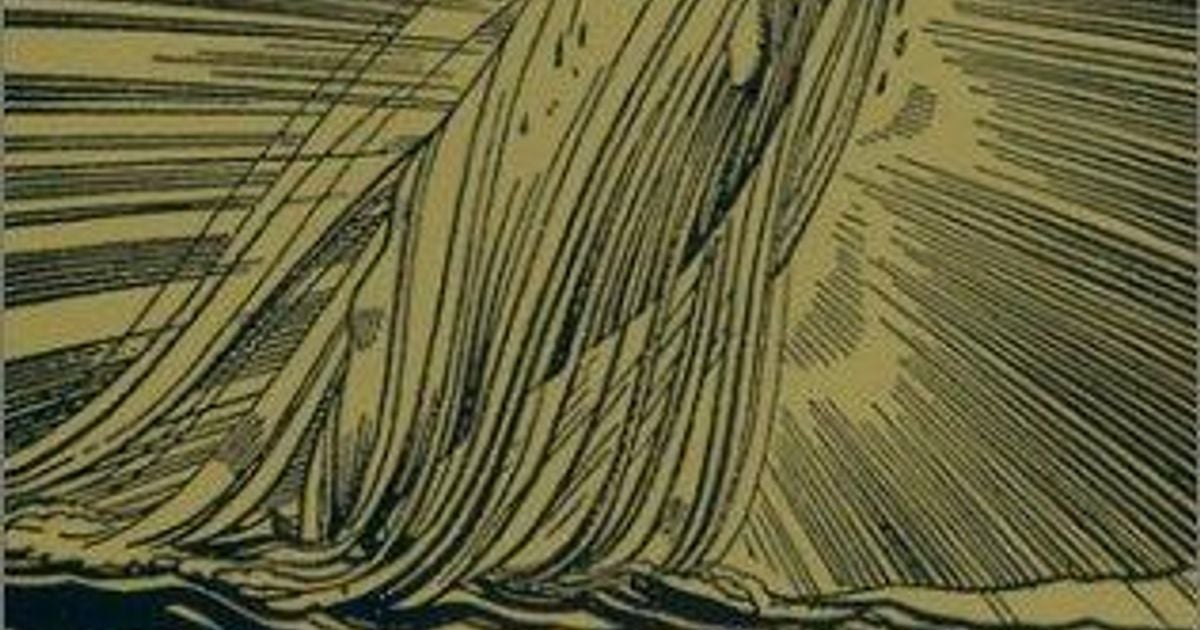
The Spouter-Inn greets you like a condemned hull: a low entry hung with clubs and broken harpoons, a bar crouching inside a whale's jaw, and on the wall an oil painting so besmoked that at first it looks like chaos bewitched. Ishmael keeps returning to that canvas until a black mass over three dim masts resolves into a whale in the act of impaling itself on a foundering ship, as if the whole voyage were already pictured before a word of Ahab is spoken. Peter Coffin sells gin in tapered glasses that cheat the eye, and when the house is full he offers the only berth left: half a harpooner's blanket. Ishmael accepts because the night is bitter, then spends the evening trying to undo the bargain in his head.
Supper is cold as Iceland, dumplings and scalding tea while the Grampus crew erupts from three years at sea, ice in their beards, straight for the whale's mouth of the bar. A tall Southerner named Bulkington slips away from the riot unnoticed; Ishmael will not see him again until the sea takes him back. Fear of the unseen roommate grows louder than the drinkers. Ishmael tries a planed bench while Coffin grins and shavings fly; draughts from window and door defeat him. Coffin's jokes about a harpooner peddling embalmed New Zealand heads on the Sabbath sound like madness until Ishmael forces plain answers and Coffin finally explains those curios, market hours, and rent paid regular. Ishmael climbs to a prodigious shared bed, tries on a shaggy poncho, flinches at his reflection, and slides under the covers first, still telling himself stories about what kind of man sells heads and carries a harpoon by the pillow.
Queequeg arrives at last with a preserved head in one hand and a tomahawk-pipe in the other, tattooed square by square, worshipping a wooden idol at the sooty fireplace before he undresses. Ishmael, who has not yet spoken to him, decides ignorance is the parent of fear and nearly bolts as the stranger puffs smoke and springs into bed with the hatchet between his teeth. Panic brings Coffin; names replace rumours. Queequeg rolls aside, civil and sober, and Ishmael hears himself say he would rather sleep with a sober man the world calls a cannibal than with the drunken Christians downstairs. He sleeps better than he ever has, and the man beside him is no longer a category but Queequeg.
The painting on the wall needed patience and a second glance; the roommate needed the same. When daylight comes and tattooed skin meets patchwork quilt, will Ishmael still trust what he learned in the dark, or will the morning bring a new reason to flinch?
Melville understood something profound about human nature: we'd rather suffer physically than challenge our mental comfort zones. Ishmael literally chooses to freeze on a wooden bench rather than share a warm bed with someone different. This isn't just 1850s racism, it's a pattern that plays out in every break room, apartment building, and hiring decision today. We hear one detail that doesn't fit our worldview, someone's religion, their appearance, their background, and we construct an entire threatening narrative. The coworker who prays during lunch becomes a 'religious fanatic.' The neighbor with the accent becomes 'probably illegal.' The job applicant with the non-traditional resume becomes 'too risky.' Meanwhile, we trust people who look and sound like us, even when they're the ones picking our pockets or spreading toxic gossip. Queequeg, the 'cannibal' with the tomahawk, becomes Ishmael's most loyal friend. The real question Melville poses isn't about sharing beds or accepting differences. It's about recognizing how our prejudices make us choose suffering over growth. How many Queequegs have we frozen ourselves out from meeting? How many opportunities, friendships, and solutions do we miss because we'd rather stick with the familiar discomfort than risk the unfamiliar possibility? In your workplace, your community, your family, where are you sleeping on the cold bench of your assumptions rather than sharing the warm bed of human connection?
Explore this chapter with AI to uncover deeper meaning and practical takeaways.
AI Discussion