
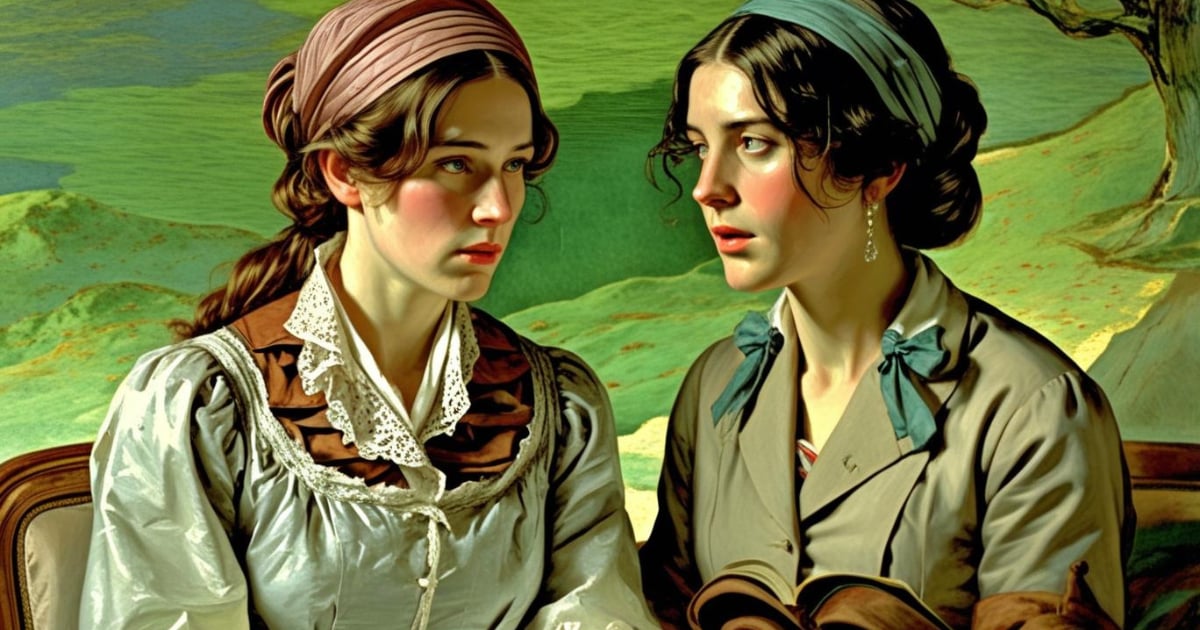
Since Larcher's sale and his failed attempt to make restitution after Raffles named Ladislaw, Bulstrode has feared the man's return. On Christmas Eve Raffles reappears at The Shrubs, insists on staying, and torments him with noisy sympathy until Bulstrode's dread turns to hard defiance behind the family's careful holiday calm.
Before dawn he orders the carriage, wakes Raffles with cold peremptory speech, pays him off with a hundred pounds, and drives him toward Ilsely with threats of the policeman if he returns. Servants think him a poor relation; Bulstrode comes home feeling a loathsome dream and slime on his pleasant life, while his wife's careful silence shows she senses a secret she will not name.
Foreseeing disgrace, he prepares conditionally to quit Middlemarch, economize on the Hospital, and transfer Bank affairs. Eliot asks how much of inward life is built from what we believe others think of us until that fabric of opinion is threatened with ruin.
He consults Caleb Garth about Stone Court; Garth proposes letting the farm to Fred Vincy, wins Bulstrode's consent partly to soften his wife after Rosamond's troubles, and quietly surveys the land while keeping the birthday surprise from Fred and Mary. One man plans flight from shame while another builds honest work for a young man on the same parish soil where Raffles's name still waits.
Chapter LXVIII opens with Daniel on vice wearing virtue's clothes, then tests it on Bulstrode. Raffles's Christmas visit is torture as facetious sympathy; the dawn orders are the banker's first open coercion. Eliot's reptile simile stains The Shrubs. The Garth thread seeds Fred at Stone Court against Bulstrode's conditional exile. Dorothy should read the chapter as two ledgers: rent paid on the lane and vocation prepared in the fields.
Explore this chapter with AI to uncover deeper meaning and practical takeaways.
AI Discussion