
Bulstrode's letter arrives the next morning. Fred carries it to Featherstone in bed, where Mary Garth has already been bullied over a waistcoat. The old man reads the letter aloud with theatrical contempt for Bulstrode's legal language, denies he ever promised Fred anything, yet slowly counts out bank-notes. Fred hopes for more than he receives: only five twenties. He thanks his uncle with visible constraint, burns the letter in the fire, and escapes when the farm-bailiff arrives.
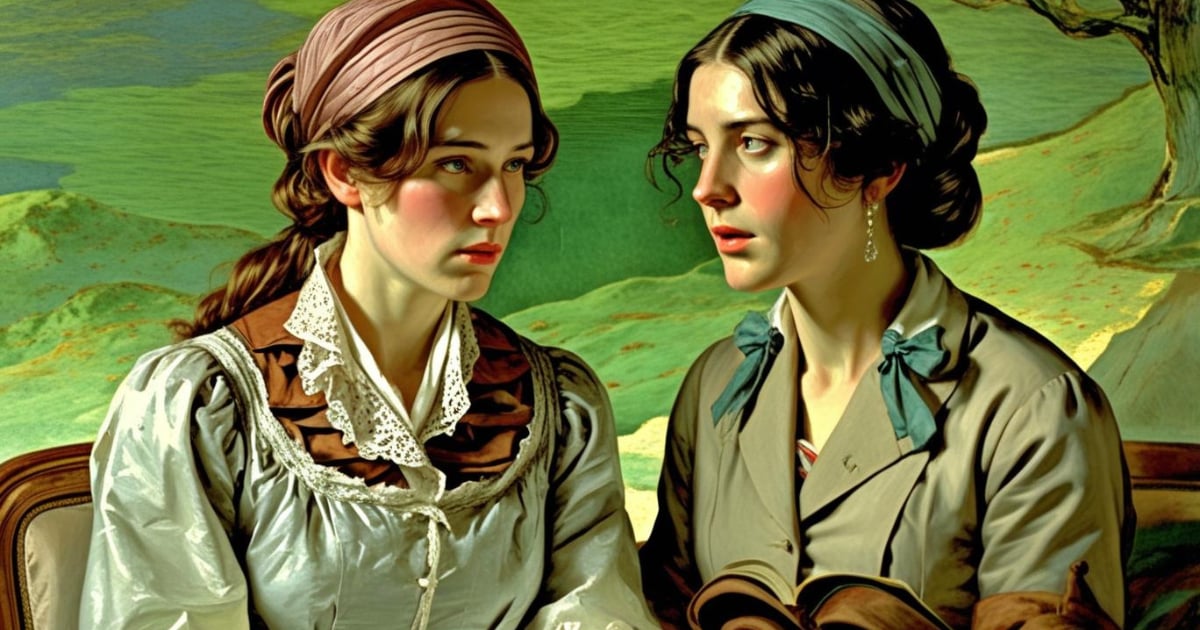
Downstairs Mary sits sewing, treating Fred with cool indifference though he felt indignant on her behalf upstairs. They talk about idleness, vocation, and the insult of supposing every kindness is courtship. She tells him to pass his examination instead of drifting. When he asks her to promise marriage, she refuses even if she loved him, because marrying a debt-ridden idler would be wicked. She ends gently: he has always been generous to her, but he must never speak that way again.
Fred leaves stung yet not in despair, trusting Featherstone's land and Mary's hidden care. He gives four twenties to his mother to keep safe against the debt backed by Mary's father. Eliot's epigraph recipe for idleness runs through the scene: flattery, self-lauding lies, and dead men's shoes.
Chapter XIV is small on plot and large on moral design. Featherstone's hundred pounds humiliates Fred exactly as intended; Mary's refusal humiliates him more usefully. Eliot lets Fred be sympathetic without letting him win. He can feel for Mary upstairs and still want escape downstairs. Mary is tender and immovable in the same breath. That combination is rare in romance plots and central to this novel. The chapter ends with debt still alive and love unpromised, which is truer than either a reward or a surrender would have been.
Explore this chapter with AI to uncover deeper meaning and practical takeaways.
AI Discussion