
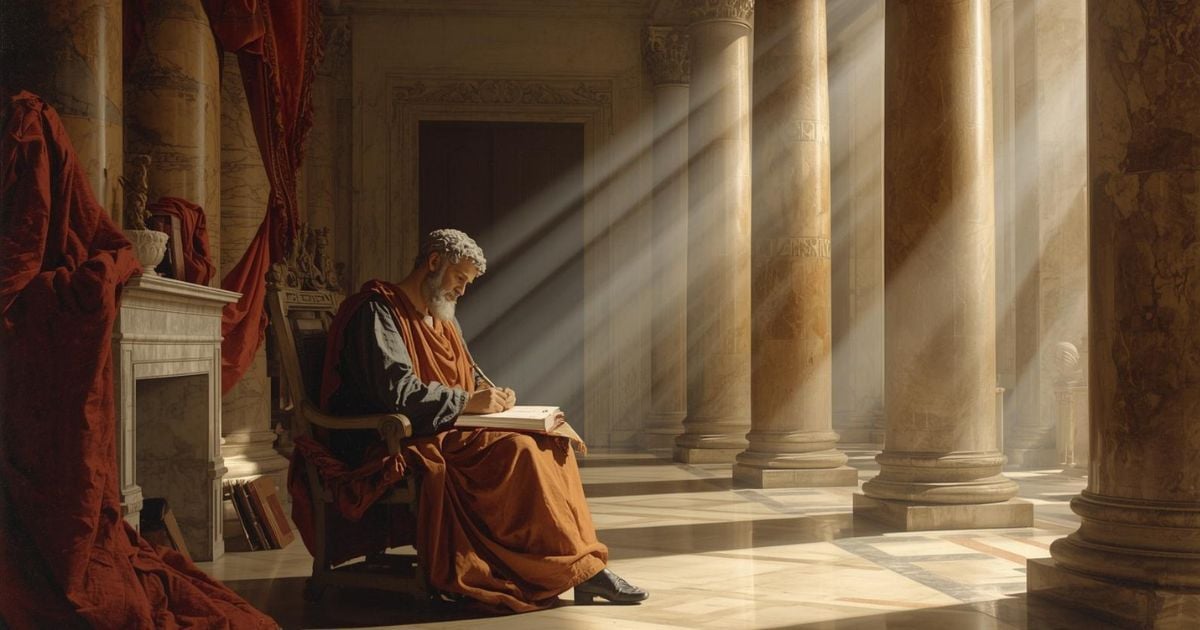
Solitude and wisdom aren't the same thing, and confusing them can be dangerous. Letter 10 opens with a warning: avoid not just crowds, not just small groups, but even single companions who might pull you in the wrong direction. Then comes the twist. Being alone with yourself carries its own risk. A foolish person left alone doesn't find clarity, he finds his worst impulses waiting for him, freed from the shame and fear that social life usually keeps in check.
Crates, the philosopher, saw a young man walking alone and asked what he was doing. 'Communing with myself,' the young man said. 'Be careful,' Crates replied. 'You're communing with a bad man.' But the letter doesn't stop at the risk. Seneca sees genuine potential in Lucilius, he remembers how his friend once spoke with a depth and conviction that could only come from somewhere real, not from performance.
That kind of person, left alone, improves. The letter's practical advice follows: change what you pray for. Stop asking the gods for things that belong to others, wealth, status, favour. Ask instead for a sound mind and good health, first of soul, then of body.
And pray boldly, because you're asking for nothing you don't have a right to. The closing line from Athenodorus is the sharpest test of character in all of Letter 10: you know you've mastered your desires when there's nothing you'd be ashamed to pray for out loud.
Seneca identified something we still struggle with today: most people can't handle being truly alone with themselves. We fill every quiet moment with phones, TV, music, or other people—anything to avoid sitting with our own thoughts. But this avoidance comes at a cost. When we can't be alone without self-destructing, we become dependent on external validation and control. We need bosses watching to stay productive, friends around to feel worthy, or constant stimulation to feel alive. This dependency makes us vulnerable and limits our growth. The people who thrive—in relationships, careers, and personal development—are often those who've learned to be good company for themselves. They use solitude for reflection, planning, and genuine self-improvement rather than mindless consumption or destructive behaviours. In Seneca's time, this meant the difference between wisdom and foolishness. Today, it might mean the difference between those who grow stronger during challenges and those who fall apart when external support systems disappear. The question isn't whether you can tolerate being alone, but whether you can use that solitude to become the person you want to be.
Explore this chapter with AI to uncover deeper meaning and practical takeaways.
AI Discussion