LIVE
OCD← Home
Gulliver's Travels cover
1726
Gulliver's Travels
Jonathan Swift · Gulliver's Final Reflections and Farewell
Chapter 39
Ch. 38
Reading
Ch. 39
Loading audio...
0:000:00

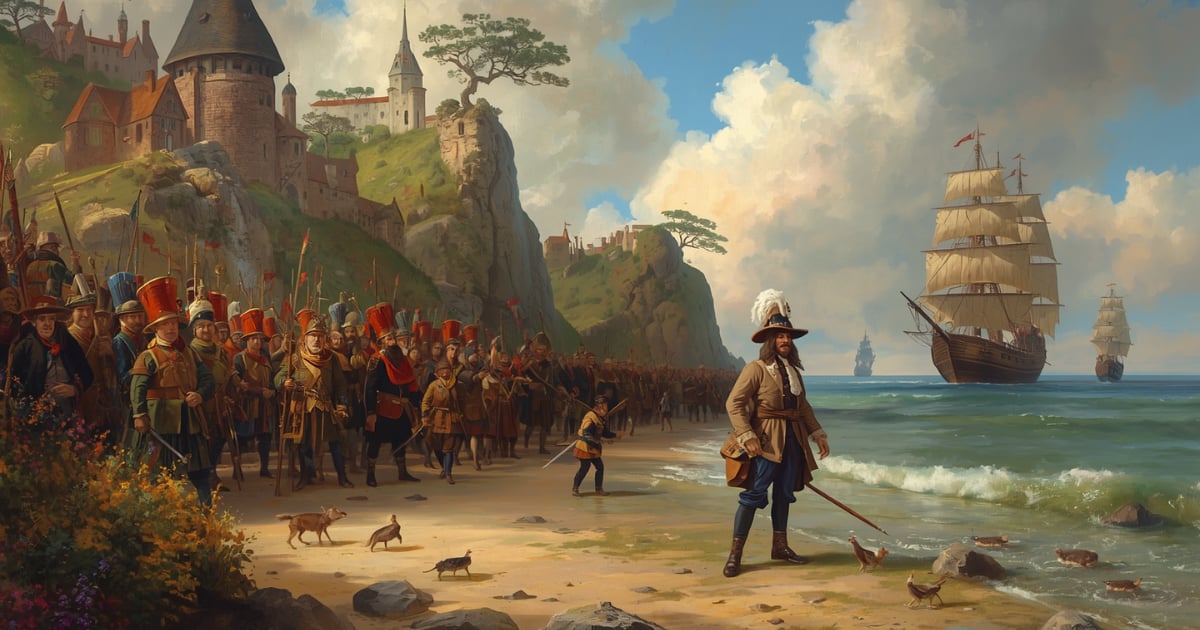
Gulliver closes with a direct address: sixteen years and seven months of travel told for truth, not ornament. He wishes travellers swore before the Lord High Chancellor, condemns fabulous voyage writers, and credits Houyhnhnm lectures for keeping him from varying from fact. He claims his book should meet no censurers, then turns to colonies. Conquering Lilliput is hardly worth a fleet; Brobdingnag and Laputa are risky; Houyhnhnm hooves would confound European ranks.

He sketches the pirate pattern: storm, plunder, rename, memorial stone, sample captives, pardon, then slaughter in God's name. He ironically praises British colonizing, then says the countries he saw want neither conquest nor tobacco and that he never thought to take possession for the crown. He takes final leave from Redriff, promising to apply Houyhnhnm virtue, tolerate human sight in a glass, and respect horses for his master's sake.

Last week he let his wife sit at the far end of a long table; he still stops his nose with rue, lavender, or tobacco. Natural Yahoo vices he can bear; pride in a diseased lump breaks his patience. Houyhnhnms have no name for that vice, and he entreats anyone tinctured with it not to come in his sight.

Amplified Discussion
The Isolation of Higher Standards

Swift's final chapter reveals a devastating irony: Gulliver's journey toward truth and rationality ends in complete isolation from humanity. He has learned to value honesty and logic from the Houyhnhnms, but his disgust with human flaws makes him unable to function in human society. He literally stuffs herbs in his nose to avoid the smell of his own species. This pattern appears everywhere in modern life. The person who discovers therapy and then can't tolerate their family's dysfunction. The worker who learns better management practices and becomes bitter about their workplace. The parent who reads about gentle discipline and judges other parents harshly. The college graduate who returns home and finds their old friends 'ignorant.' In each case, legitimate insights create legitimate dissatisfaction, but the response destroys connection and influence. Swift understood that knowledge without compassion becomes a prison. The nurse who learns evidence, based practices but alienates her colleagues with criticism helps no one. The mechanic who discovers better safety protocols but withdraws from his shop in disgust changes nothing. The tragedy isn't the higher standards, it's the isolation that makes those standards useless. Real change requires staying connected to the world you want to improve. The question becomes: how do you maintain your standards while keeping your humanity?

Explore this chapter with AI to uncover deeper meaning and practical takeaways.

AI Discussion
Why it matters

Avoiding Righteous Isolation

The last lesson can become a locked door if you treat contempt as virtue. Gulliver tells the reader he wrote for truth not ornament, satirizes colonization through pirate renaming and divine, right slaughter, takes leave from Redriff with rue in his nose while his wife sits at the far end of a long table, and breaks at human pride while entreating the proud to stay out of his sight. Avoid righteous isolation: keep what the Houyhnhnms showed you without making unreachable contempt the place where you live.

Lessons

PracticeThis week, share one insight as a bridge to someone still inside the old world, instead of judging from distance.

Psych reading

Righteous Isolation

When legitimate insight into better ways leads to withdrawal and contempt instead of connection and change.

In the mind

The last chapter shows what happens when insight becomes withdrawal. Gulliver tells the reader his sixteen, year account served truth, not ornament, then slides from traveller's oath to colonial satire: pirates rename a shore, plant a stone, and call slaughter civilization while he ironically praises British planting. That is Swift speaking through a narrator who also lives in Redriff stuffing rue in his nose. Last week his wife sat at the far end of a long table.

He can tolerate natural Yahoo vices; pride in a diseased lump breaks his patience. He entreats the proud not to come in his sight. The mechanism is righteous isolation: legitimate disgust without a bridge back. You see the better standard, reject the old world, and lose the only audience that could change.

You see it when the reformed worker eats alone, when the reader of virtue lectures instead of listens, when contempt replaces influence. When higher standards make you unreachable, use them as a bridge, not a wall.: stay connected enough to pull the better forward. When you can name the pattern, predict the next move, and choose restraint before you assert strength, you have a practical map for the next decision.

Find the right chapter

Each mood maps to a life skill. Each skill connects to the patterns in classic literature.

😔How do you feel😊

Personalize your match

Optional—life stage, what you need today, and what you're navigating help us pick chapters that fit—not generic lists. You may also freeform using the feeling search below.

Sign in to save your profile

Choices stay on this device until you sign in.

Browse the Full Library
4,582Chapters
118+Books
86Authors