LIVE
OCD← Home
Frankenstein cover
1818
Frankenstein
Mary Shelley · The Monster Awakens
Chapter 9
Ch. 8
Reading
Ch. 9
Ch. 10
Loading audio...
0:000:00

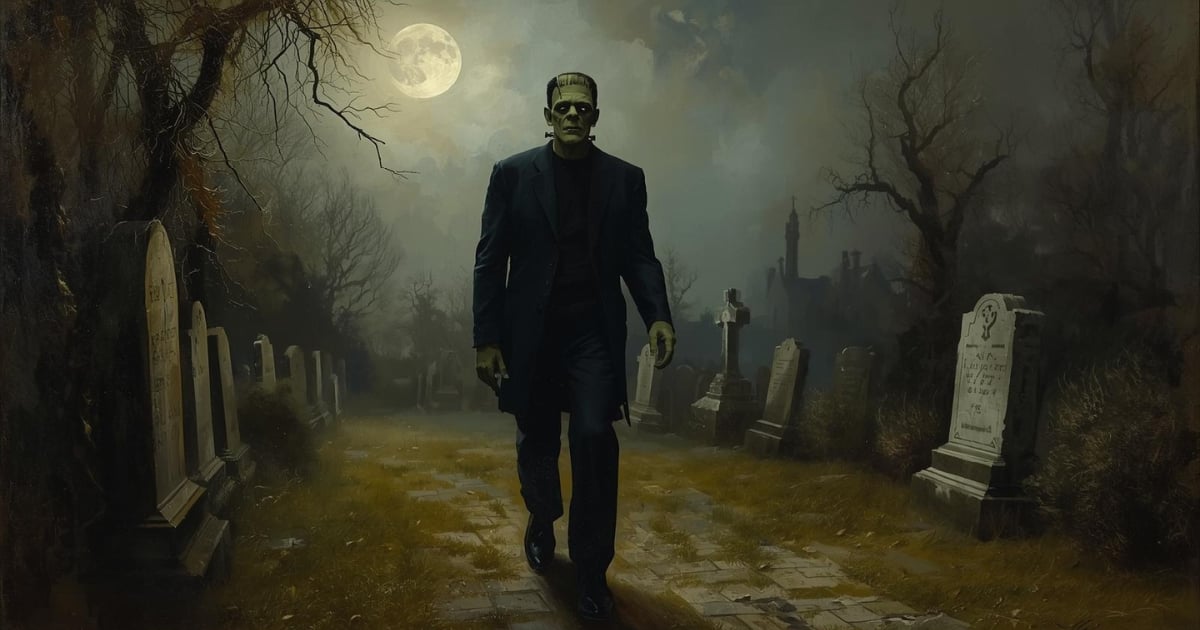
It is on a dreary night of November, at one in the morning, that Victor infuses a spark of being into the lifeless thing at his feet. Rain patters dismally against the panes. The candle is nearly burnt out. By the glimmer of the half-extinguished light he sees the dull yellow eye open. The creature breathes hard. A convulsive motion agitates its limbs. The person he had selected as beautiful is now yellow skin, watery eyes, and straight black lips. He rushes from the workshop.

He tries to sleep and dreams that he kisses Elizabeth, that she turns livid in his arms, and that he holds his mother's corpse, grave-worms crawling in the folds of the flannel. He wakes. The creature is at the bedside, one hand stretched out, the jaws opened, inarticulate sounds coming from it. Victor flees into a black and comfortless rain and walks without knowing where he is.

In the morning Henry Clerval finds him at an inn. The familiar face undoes him. For months Clerval nurses a fever Victor cannot explain. When Victor can sit up, Henry mentions the long silence that has frightened Geneva, then holds out a letter that has lain some days. It is from his cousin.

Amplified Discussion
The Creator's Burden: When Innovation Hurts People

Mary Shelley wrote Frankenstein during the Industrial Revolution, when new machines were transforming society, and displacing workers. She understood that innovation always has human costs, and that creators have a moral obligation to their creations and the people affected by them. Today, we see this same pattern everywhere: social media platforms that connect people but also spread misinformation, gig economy apps that provide flexibility but eliminate worker protections, automation that increases efficiency but eliminates jobs. The people who build these systems often focus on the technical achievement while remaining willfully blind to the human impact. Like Victor Frankenstein, they want the glory of creation without the burden of responsibility. But Shelley's insight remains crucial: the moment you create something that affects other people's lives, you become accountable for those effects. The question isn't whether innovation should continue, it's whether innovators will take responsibility for the full consequences of their work. When we celebrate 'disruption' and 'moving fast and breaking things,' we're essentially celebrating Victor Frankenstein's approach. Real progress requires staying present through the messy, uncomfortable work of ensuring your creations serve humanity rather than harm it.

Explore this chapter with AI to uncover deeper meaning and practical takeaways.

AI Discussion
Why it matters

Recognizing Responsibility Avoidance

Creating something does not end your obligations when reality disappoints you. Victor animates the creature, then flees the moment it reaches toward him. Before you launch a project or role that affects others, ask who gets hurt if it goes wrong and whether you will stay present to fix it.

Lessons

PracticeThis week, notice when you or others suddenly get 'busy' or 'overwhelmed' right after something goes wrong, that's often avoidance disguised as legitimate stress.

Psych reading

Creation Without Responsibility

Bringing things into existence for ego gratification, then abandoning them when reality doesn't match fantasy.

In the mind

Victor's abandonment of his creature reveals one of humanity's most destructive patterns: bringing something into existence, then fleeing when it doesn't match our fantasy. He spent months obsessed with creating life, but the second it succeeds, he runs. This isn't just about mad scientists, it's about the fundamental gap between creation and responsibility. The mechanism operates through a psychological process where fantasy meets reality. Victor imagined himself as a brilliant creator, worshipped by his beautiful creation. He never pictured himself as a parent to something that needs teaching, patience, and care. When the creature opens its yellow eyes and reaches out, possibly for help, Victor sees only ugliness and threat. His revulsion overrides any sense of duty. The dream was about glory; the reality is about obligation. So he chooses flight. This pattern shows up everywhere today. The parent who wanted a baby for the cute moments but resents the constant needs and sacrifices. The manager who fought for a team but avoids the hard conversations and conflict resolution. The partner who pursued someone intensely but ghosts when that person shows vulnerability or needs support. The entrepreneur who launched the business but abandons customers when problems arise. The creator who makes content but ignores the community when people have genuine needs. Each case shows the same structure: creation for ego, abandonment when reality gets messy. When you recognize this pattern, understand that bringing anything into existence, a project, a relationship, a child, a business, creates obligations you can't escape through flight. If you're considering creating something, ask yourself honestly: 'Am I prepared for the unglamorous, difficult parts? Can I stay present when this gets ugly or doesn't match my fantasy?' If you've already abandoned something you created, recognize that the consequences don't disappear just because you're not watching. They grow, often into monsters. When you can spot the creation-abandonment pattern, predict where it leads, and commit to responsibility before beginning. When you can name creation without responsibility, predict how abandonment turns need into rage, and stay present to what you bring into the world, you prevent the harm you hoped to avoid.

Find the right chapter

Each mood maps to a life skill. Each skill connects to the patterns in classic literature.

😔How do you feel😊

Personalize your match

Optional—life stage, what you need today, and what you're navigating help us pick chapters that fit—not generic lists. You may also freeform using the feeling search below.

Sign in to save your profile

Choices stay on this device until you sign in.

Browse the Full Library
4,582Chapters
118+Books
86Authors