LIVE
OCD← Home
Frankenstein cover
1818
Frankenstein
Mary Shelley · William is Dead. The Creature Returns
Chapter 11
Ch. 10
Reading
Ch. 11
Ch. 12
Loading audio...
0:000:00

Alphonse's letter reaches Victor on his return to Ingolstadt. William is dead. On the evening of 7 May the family walked at Plainpalais. William ran ahead to hide, and at five in the morning Alphonse found him stretched on the grass, the print of a finger on his neck. The miniature of Caroline that William had teased from Elizabeth is gone. Elizabeth, seeing the empty ribbon, cries that she has murdered her darling child. Alphonse asks Victor to come home not with vengeance but with kindness for the living.

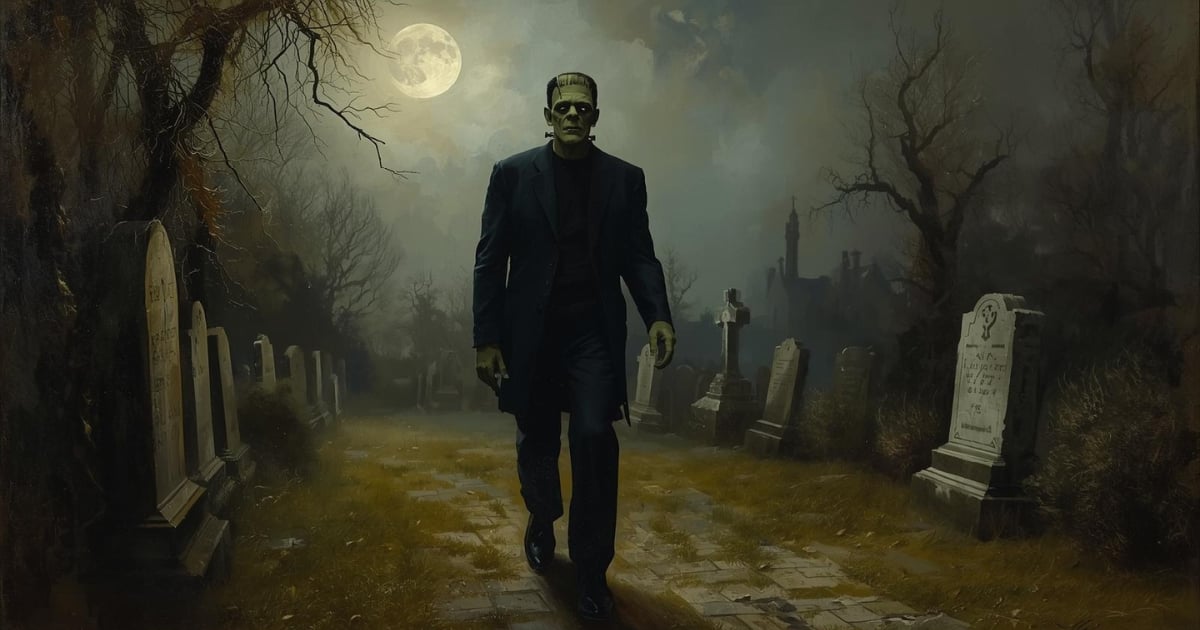
Victor orders horses and leaves Clerval in the street. Two days at Lausanne restore him beside an unchanged lake. Then fear returns. The gates of Geneva are shut. He spends the night at Secheron and crosses the water to the murder ground. Lightning turns the lake into fire. A gigantic figure steals from the trees. Another flash shows it hanging on the rocks of Mont Saleve and gone. Victor names his own work the murderer and, after a wet night in the open, decides the tale would sound like fever. He will remain silent.

Ernest meets him in the library. Justine Moritz is accused. A servant found Caroline's picture in her pocket. Victor says he knows the murderer and that Justine is innocent, then will not speak the public story. Elizabeth greets him as the one who might still justify the girl. Alphonse tells her to dry her tears and rely on the justice of their laws.

Amplified Discussion
Why Good People Stay Silent During Injustice

Shelley understood something brutal about human nature: we're hardwired to protect ourselves first, even when innocent people suffer. Victor's paralysis isn't unique, it's predictable. He calculates the personal cost of truth-telling and decides it's too high. This same calculation happens in every workplace, every family, every community where power imbalances exist. The nurse who doesn't report the doctor's mistakes. The employee who watches discrimination unfold. The neighbour who hears domestic violence through thin walls. Each person tells themselves the same story Victor does: 'No one would believe me anyway.' But this isn't really about belief, it's about consequences. Speaking truth to power has always been dangerous. The system counts on this fear to maintain itself. What Shelley shows us is that this silence isn't neutral, it's a choice that makes us complicit. When we possess information that could prevent harm but choose comfort over courage, we become part of the machine that crushes the innocent. The question isn't whether speaking up is risky, it always is. The question is whether we can live with the alternative. How do we build the courage to act when action feels impossible?

Explore this chapter with AI to uncover deeper meaning and practical takeaways.

AI Discussion
Why it matters

Naming Who Pays for Silence

After a disaster, silence often protects the person who knows most and bills the person who can least afford it. Victor sees his creature on the rocks of Mont Saleve, then tells no one, while Justine waits to be tried for a picture found in her pocket. Before you withhold a truth because it sounds unbelievable, write down who will be charged if you stay quiet.

Lessons

PracticeThis week, notice when workplace problems get blamed on the newest or most vulnerable employee, ask yourself what systemic issue is being hidden.

Psych reading

Cascading Abandonment

One act of abandonment creates a chain of destruction where each failure to take responsibility compounds the damage.

In the mind

Victor's story reveals a devastating pattern: one act of abandonment creates a cascade of destruction that touches everyone in your orbit. He abandoned his creature, who then killed William, which led to Justine being framed, which requires Victor to choose between truth and self-protection. Each link in the chain could have been broken, but abandonment compounds abandonment. The mechanism works through moral dominos. Victor's original sin, abandoning his newborn creation, set the creature on a path of rage and revenge. The creature, having no guidance or love, learned cruelty from experiencing cruelty. When it kills William, it doesn't stop there, it frames Justine, understanding exactly how to weaponize human prejudice. Now Victor faces a choice: confess his role and save Justine, or protect himself and let her die. He chooses silence, abandoning Justine just as he abandoned the creature. Each abandonment makes the next one easier to rationalize. This pattern appears everywhere in modern life. The manager who doesn't address a toxic employee, so good workers quit, so the team fails, so the manager blames remaining workers instead of acknowledging their original failure to act. The parent who abandons difficult conversations with their kid, so the kid makes bad choices, so the parent blames the kid's friends instead of their own absence. The person who ghosts a relationship, so the ex becomes bitter, so they hurt the next partner, and the original ghoster thinks 'See, they were always toxic.' When you recognize this pattern, understand that the first abandonment is the crucial intervention point. Once the cascade starts, each choice becomes harder. If you've already started the cascade: own it completely. Break the pattern by taking responsibility at whatever stage you're at. Victor could still confess and save Justine, he chooses not to. That's a second abandonment that makes him doubly guilty. The navigation strategy is radical responsibility: trace current problems back to your own role, even when it's uncomfortable. When you can name cascading abandonment, predict how silence frames the innocent, and speak truth before the next victim is chosen, you break the chain Victor keeps extending. When you can name cascading abandonment, predict how silence frames the innocent, and speak truth before the next victim is chosen, you break the chain Victor keeps extending. When you can name cascading abandonment, predict how silence frames the innocent, and speak truth before the next victim is chosen, you break the chain Victor keeps extending.

Find the right chapter

Each mood maps to a life skill. Each skill connects to the patterns in classic literature.

😔How do you feel😊

Personalize your match

Optional—life stage, what you need today, and what you're navigating help us pick chapters that fit—not generic lists. You may also freeform using the feeling search below.

Sign in to save your profile

Choices stay on this device until you sign in.

Browse the Full Library
4,582Chapters
118+Books
86Authors