
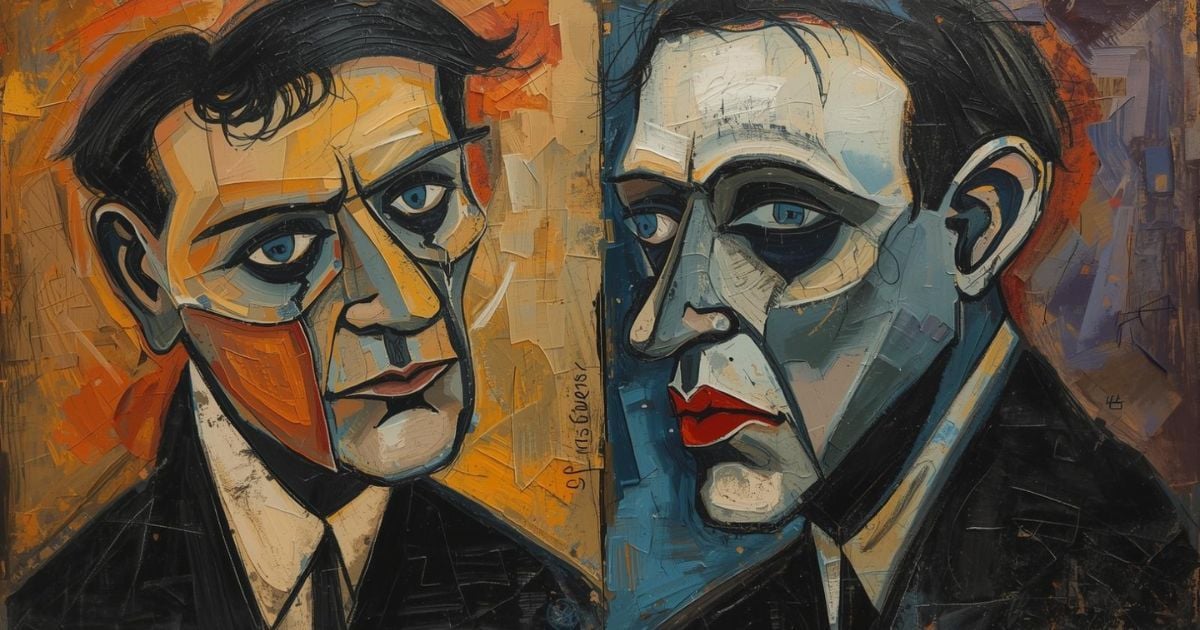
They stop in front of the door again, the same door Enfield once pointed at with his cane. That story is at an end, Enfield says. We shall never see more of Mr Hyde. I hope not, Utterson says. He has seen him too. Enfield now knows the door is a back way to Jekyll. They step into the court. The middle window is half open. Jekyll sits beside it like a prisoner, taking the air with a great sadness.
What, Jekyll. I trust you are better. I am very low. It will not last long, thank God. Come out, Utterson says. Get your hat. I should like to very much, Jekyll sighs. No, no, no. It is quite impossible. I dare not. I would ask you up, but the place is not fit. Then we will stay down here and speak from where we are. That is just what I was about to propose, Jekyll says, and he smiles.
The smile is struck out of his face. Terror and despair take its place, enough to freeze the blood of the two men below. They see it only for a glimpse. The window is thrust down. They leave the court without a word. In the next street Utterson looks at Enfield. Both are pale. God forgive us, God forgive us. Enfield only nods, and walks on once more in silence.
Stevenson wrote this during Victorian England's obsession with respectability, when any deviation from moral expectations could destroy a person socially. Today, we live in what seems like a more accepting world, yet people still build elaborate double lives around addiction, debt, mental health struggles, or family problems. The chapter reveals something universal: the bigger the gap between who we appear to be and who we really are, the more we cut ourselves off from the very people who might help us. Jekyll's terror isn't just fear of being discovered, it's the horror of watching his authentic self destroy everything he's built. This pattern plays out in modern workplaces constantly. The employee struggling with depression who can't ask for mental health days because they've built a reputation as the reliable one. The parent hiding financial problems who avoids school events where other families might notice they're struggling. The person battling addiction who isolates from friends rather than risk their secret coming out. What makes this particularly tragic is that the isolation often makes the original problem worse, creating a spiral that's hard to break. The question isn't whether we all have parts of ourselves we keep private, we do. The question is whether those secrets are building walls or just maintaining healthy boundaries.
Explore this chapter with AI to uncover deeper meaning and practical takeaways.
AI Discussion