LIVE
OCD← Home
Don Quixote cover
1605
Don Quixote
Miguel de Cervantes Saavedra · Intervention and Defeat
Chapter 4
Ch. 3
Reading
Ch. 4
Ch. 5
Loading audio...
0:000:00

At dawn Quixote leaves the inn thrilled to be a knight and turns toward home to fetch money, shirts, and a squire. He has barely started when cries lead him into a wood where a farmer flogs a boy named Andres over lost sheep. Quixote commands payment of back wages, settles a quarrel over shoes and bloodlettings, and makes the farmer swear to pay. Andres refuses to go home alone, warning that his master will flay him. Quixote guarantees the oath and rides away satisfied that he has righted the greatest wrong injustice ever conceived.

The guarantee lasts exactly one screen width. The farmer ties Andres up again and beats him worse, laughing while the boy weeps and swears he will find the undoer of wrongs. Quixote, hearing none of this, congratulates Dulcinea on her new subject and halts at a crossroads so Rocinante may choose the path. The horse heads toward its stable until Quixote sees Toledo merchants and turns the meeting into an adventure.

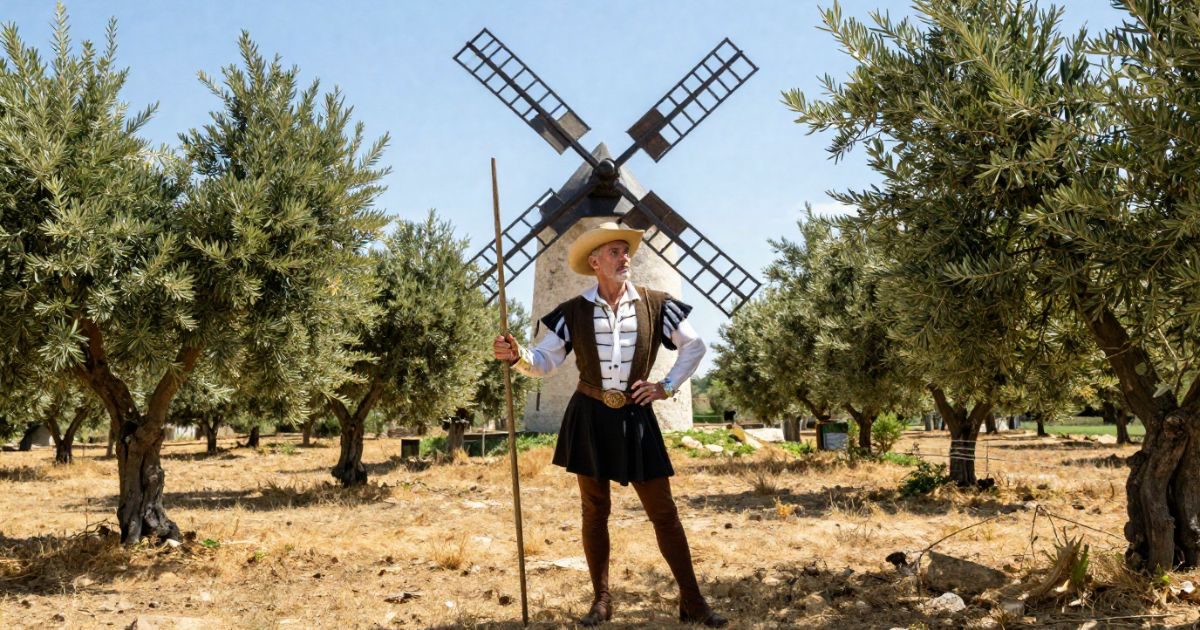
He blocks the road and demands that all the world confess Dulcinea the fairest maiden without seeing her. When a trader jokes that even a one-eyed portrait would do, Quixote charges. Rocinante stumbles, armour pins him down, and a muleteer beats him with fragments of his own lance while he shouts that cowards should stay and fight. The traders leave. Quixote calls the thrashing a regular knight-errant mishap and blames his horse. Battered as he is, he cannot rise.

Amplified Discussion
Why Hero Complex Intervention Matters Here

At dawn Quixote leaves the inn thrilled to be a knight and turns toward home to fetch money, shirts, and a squire. He has barely started when cries lead him into a wood where a farmer flogs a boy named Andres over lost sheep. Quixote commands payment of back wages, settles a quarrel over shoes and bloodlettings, and makes the farmer swear to pay. Andres refuses to go home alone, warning that his master will flay him. Quixote guarantees the oath and rides away satisfied that he has righted the greatest wrong injustice ever conceived. The guarantee lasts exactly one screen width. The farmer ties Andres up again and beats him worse, laughing while the boy weeps and swears he will find the undoer of wrongs. Quixote, hearing none of this, congratulates Dulcinea on her new subject and halts at a crossroads so Rocinante may choose the path. The horse heads toward its stable until Quixote sees Toledo merchants and turns the meeting into an adventure. Cervantes makes the cost visible: not only what the characters suffer, but what bystanders must decide once the story can no longer stay private. The chapter asks whether comfort, silence, or intervention is the truer form of care when someone is living inside a plot of their own.

Explore this chapter with AI to uncover deeper meaning and practical takeaways.

AI Discussion
Why it matters

Recognizing Unintended Consequences

Rescue can feel complete the moment you leave, even when the danger is just beginning. Quixote forces a wage promise from a farmer, ignores Andres's warning, and congratulates himself while Andres is tied up and beaten worse; then he demands strangers praise Dulcinea, falls from his horse, and is thrashed with his own lance. Ask what happens after your intervention ends, who bears the risk if your story is wrong, and whether you helped or performed.

Lessons

PracticeBefore you step into someone else's conflict this week, write down what you think will happen one hour after you leave.

Psych reading

Hero Complex Intervention

Acting out a rescue story without understanding what happens after you leave, often making the situation worse for the person you meant to help.

In the mind

When someone committed to a hero story meets real distress, a pattern emerges: they slot the scene into a template, force a resolution that satisfies the narrative, and leave before the power dynamics resume. Quixote hears Andres crying, sees oppressor versus victim, extracts a promise, and rides away calling it the noblest beginning of knighthood. Andres warned him. The farmer flays the boy harder the moment the knight is gone.

The pattern repeats at larger scale. Quixote blocks merchants and demands praise for Dulcinea without evidence. A joke becomes blasphemy. He charges, falls, and is beaten with his own lance while calling it a regular knight's mishap. Good intentions never enter the accounting. Only the story does.

Daniel knows this trap from court. A public defender who bursts into a client interview like a rescuer, forces a promise from a landlord or supervisor, and leaves without safe follow-through can congratulate himself while the client pays for his theatre. Demanding that colleagues confess the beauty of his crusade without evidence leads to the same fall: humiliation reframed as honour, harm reframed as plot.

When you recognise hero-complex intervention, you gain a navigation tool. Ask what happens after you leave, who bears the risk if you are wrong, and whether you are helping or performing. Quixote needed Andres to validate the template, not to survive the farmer. When you can name the pattern, predict the rebound violence, and navigate by staying until safety is real rather than sworn.

Find the right chapter

Each mood maps to a life skill. Each skill connects to the patterns in classic literature.

😔How do you feel😊

Personalize your match

Optional—life stage, what you need today, and what you're navigating help us pick chapters that fit—not generic lists. You may also freeform using the feeling search below.

Sign in to save your profile

Choices stay on this device until you sign in.

Browse the Full Library
4,582Chapters
118+Books
86Authors