
The stanza is sung after the union, not from inside the panic. A soul already set in the perfection of love with God looks back on severe trials and the narrow way of eternal life, the road the Lord says so few enter. It calls that passage a happy chance. It went forth unobserved, its house now at rest.
John then names the two darknesses that made the going possible. In the sensual part, desire is purged of natural and sensible things. In the spiritual part, the soul is darkened with respect to all spiritual and intellectual understanding. He says this is the only means by which the soul can set forth to divine union. Creature affections and attachments have to be emptied first. Then understanding itself has to be darkened, so the soul can enter the road of the spirit.
The poem sounds finished. The treatise is only starting, and what it starts with is the imperfections of beginners. The happy chance belongs to someone who has already walked the narrow road. The cost of that road, while a person is still on it, is what the next chapters will name. Union is named here as a destination already reached, not as a feeling a beginner can demand.
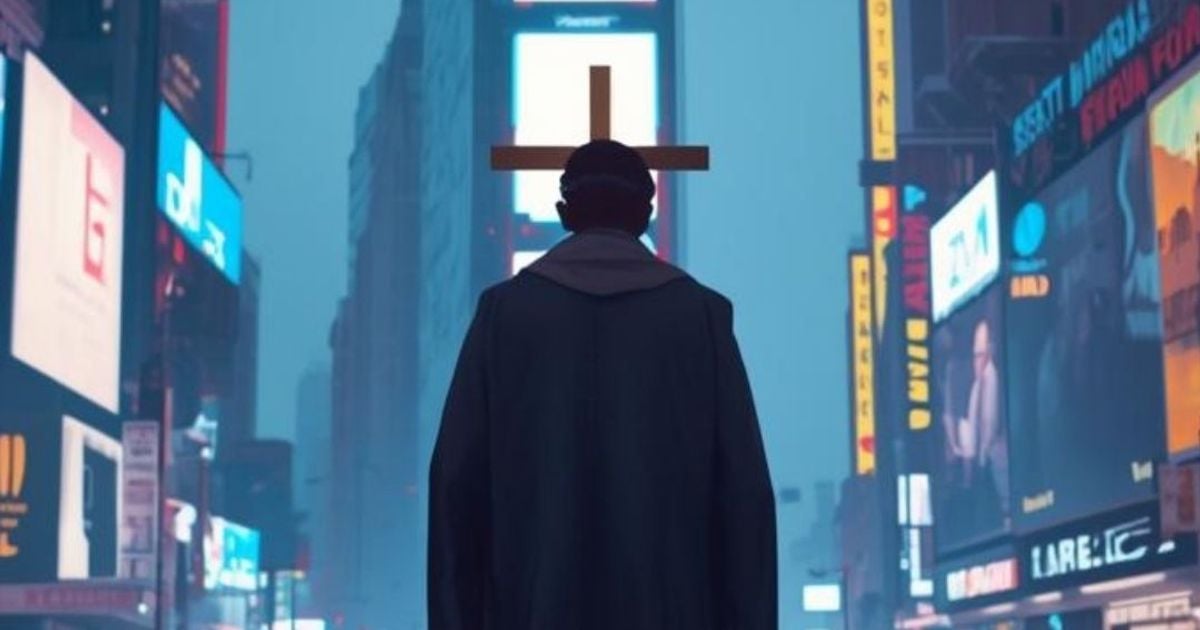
Saint Juan wrote about the 'dark night' in 1578, during the Spanish Inquisition, when questioning authority could literally get you killed. Yet he insisted that genuine spiritual growth required exactly that—questioning everything, even the comfortable beliefs that had sustained you. Today, we face a different but parallel challenge. Our consumer culture has trained us to see discomfort as a problem to be solved immediately. Feeling uncertain? Buy something. Feeling lost? Scroll social media. Feeling like your old life doesn't fit? Get busier. But what if discomfort isn't the enemy? What if it's information? Juan understood something we've forgotten: transformation isn't comfortable. A caterpillar doesn't become a butterfly by trying harder to be a better caterpillar. It literally dissolves into soup before reforming as something entirely new. We resist this process not because we love our current situation, but because we fear the unknown more than we desire growth. We'd rather stay in a job that's slowly killing our spirit than face the uncertainty of looking for something better. We'd rather maintain relationships that no longer serve us than risk being alone. But Juan suggests there's a third option: embracing the darkness as a necessary part of becoming who we're meant to be. The question isn't whether we'll face uncertainty—it's whether we'll trust it enough to let it transform us.
Explore this chapter with AI to uncover deeper meaning and practical takeaways.
AI Discussion