
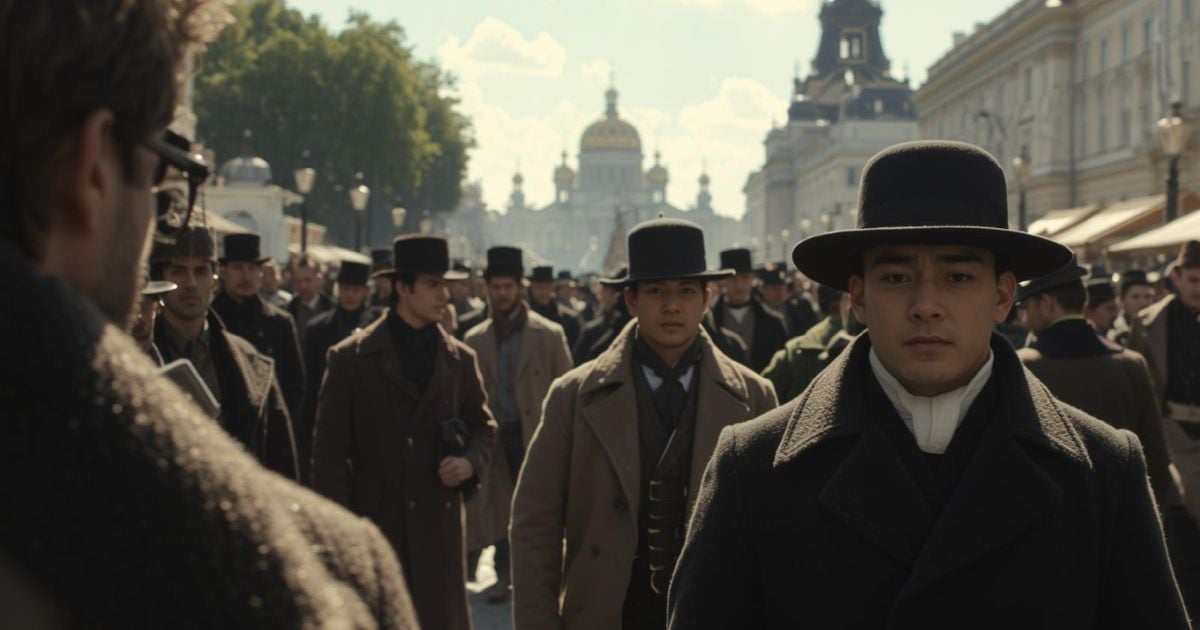
Zossimov greets the family with he is well, quite well, but Raskolnikov in the corner looks like a wounded man performing a duty. Dressed and combed, he kisses mother and sister without joy; Zossimov sees bitter endurance, not reunion. Talk of university and morbid causes irritates him. Pulcheria thanks the doctor for last night; Rodya flinches at payment and special attention. He reaches to Dunya at last, and for a moment real feeling breaks through the lesson-learned phrases.
Then blood on his clothes forces the truth he can partly tell. He gave the money last night to the widow, a woman in consumption, crushed with trouble, not on the pretext of a funeral but to pay for it. Dunya says no, that is not right. Marfa Petrovna's sudden death fills the room; Rodya snaps at gossip, and Dunya answers that they are afraid of me. Pulcheria dreamed of open talk on the train; now he knows he will never speak freely of everything. He rouses them with forced gaiety, praises Zossimov and Razumihin, jokes about Dunya's watch from Marfa Petrovna, and drifts into the landlady's sick daughter he once meant to marry.
The urgent matter he saved for the end: Listen, Dunya, it is me or Luzhin. If you marry him, I cease to look on you as a sister. He calls himself a scoundrel but forbids her sacrifice. Dunya answers coldly that she marries for her own sake, not charity, and will do what Pyotr Petrovitch expects honestly. He grins that she is lying, selling herself for money; she flushes with anger and asks why he demands heroism he may not have. He nearly faints; the room holds its breath.
Pulcheria hands him Luzhin's letter. Suddenly he says Marry whom you like, then reads twice and dissects its legal tone: blame yourselves, threat to abandon them, the slander about notorious behaviour and the twenty-five roubles he gave to the widow, not the daughter. He warns Dunya that Luzhin does not esteem her. When Pulcheria asks if he will come tonight though barred, he leaves it to Dunya. She decides he must attend and invites Razumihin at eight o'clock. He says yes.
Part III Chapter III is the reunion promised since the landlady's door slammed. Zossimov's cheer meets Rodya's performed calm: kisses, jokes, then the wound opens with blood and the widow's money. Dunya says no to his Crevez chiens bravado; Marfa Petrovna's death and afraid of me expose how fear runs both ways. The landlady's daughter memory shows past softness he now calls another world. Then me or Luzhin reignites yesterday's war in colder, drier tones. Dunya's pride answers his contempt; heroism on demand versus feminine obstinacy. The letter shifts weapons from speech to document: blame yourselves, notorious behaviour, twenty-five roubles twisted, brother barred. Rodya's literary criticism is strategic: he teaches Dunya to read threat as threat. Yet he agrees to come at eight with Razumihin, letting Dunya lead. The chapter ends scheduled, not healed: interview tonight, confession to Sonia still ahead, Porfiry waiting in the next movement.
Explore this chapter with AI to uncover deeper meaning and practical takeaways.
AI Discussion