
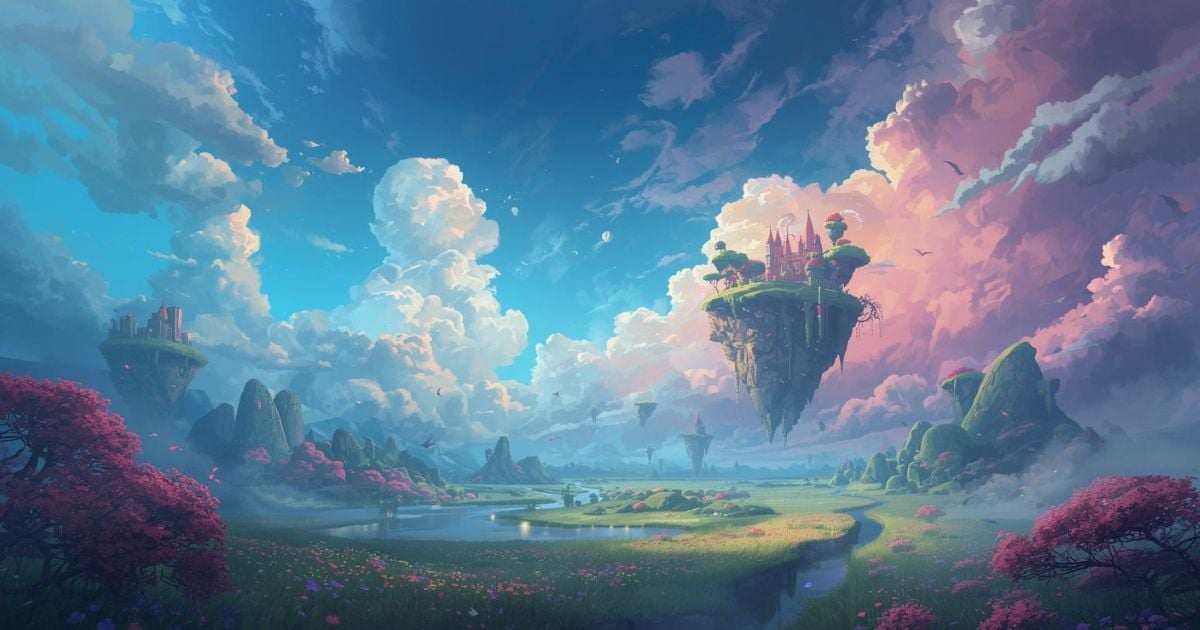
Barney and Valancy sit in the dark on the road where Lady Jane died, agreeing to speak only if they have something worth saying. Valancy quotes John Foster on friendship and silence; rabbits cross the road and an owl laughs while she understands in one flash that she loves Barney without needing him to love her back. The love makes her feel significant and unafraid of death. They talk of ballooning dreams, her Blue Castle fantasy, and the shut doors of her old life; she almost tells him about her heart but refuses to think of death tonight.
She admits she never loved her mother and Barney answers dryly that the pity is for her mother. When she shivers he wraps her in his tobacco-scented coat. Near ten o'clock Uncle Wellington's car stops with Olive aboard; he must give Barney gas while pretending not to see scandal.
Valancy teases Olive about her grim face, yawns at revival-meeting pleas to come home, and boasts that Barney has not tried to kiss her. Olive retreats in horror and Uncle Wellington drives on cursing the shameless hussy while Barney pours gas into Lady Jane, and Valancy rides home knowing she belongs to herself at last.
Montgomery captures something profound about love that modern culture often misses: it's not just about finding someone who completes you, but about discovering who you've always been capable of being. Valancy's transformation isn't about Barney making her worthy—it's about love revealing her existing worth to herself. This pattern shows up everywhere in working-class life. The single mother who discovers fierce advocacy skills when fighting for her child's education. The factory worker who finds leadership abilities when organizing for better conditions. The caregiver who develops patience they never knew existed when caring for a difficult relative. Each discovers that love—whether romantic, parental, or for a cause—acts as a catalyst that reveals hidden capacities. The dangerous myth is that we need someone else to love us before we can access our full selves. Valancy's revelation challenges this: she doesn't need Barney to return her feelings to claim the strength that loving him has revealed. In a culture that often treats love as consumption—finding someone to meet our needs—this chapter offers love as creation: the force that helps us become who we're meant to be. The question isn't whether love will change you, but whether you'll recognize and claim the person love reveals you to be.
Explore this chapter with AI to uncover deeper meaning and practical takeaways.
AI Discussion