
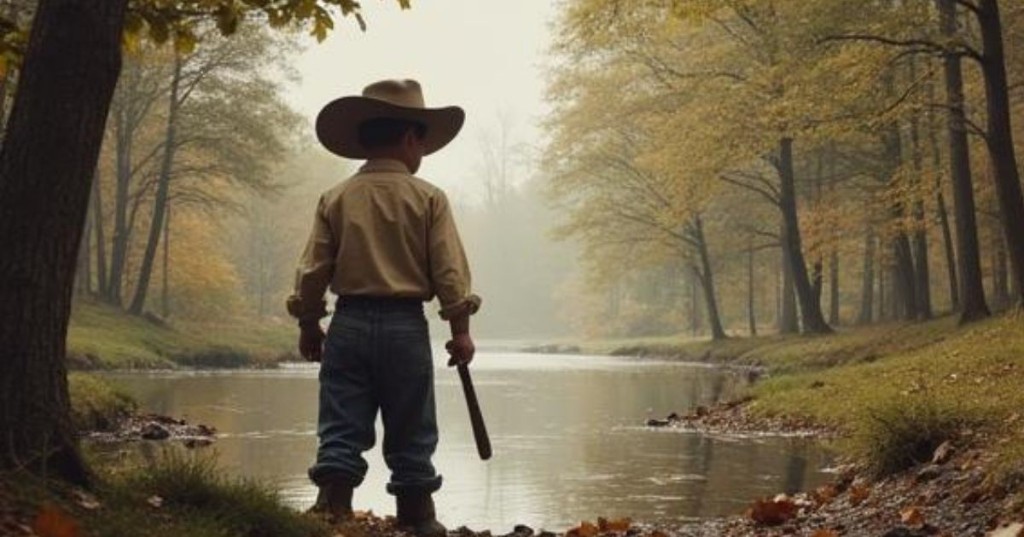
Tom lies awake for hours waiting to sneak out. Every creak in the house sounds like a ghost. The clock seems frozen. Crickets, death-watch beetles, and howling dogs make the night feel endless. At last he hears Huck meow, climbs out the window, and meets him with the dead cat.
In the graveyard they hide behind elms and wait in the dark, whispering about whether the dead can hear them. Three men arrive with a lantern: drunk Muff Potter, Injun Joe, and young Dr. Robinson. The men dig up a fresh grave to steal the body for medical study. Potter and Joe do the digging while the doctor sits against a tree. The doctor refuses to pay more money. Injun Joe remembers old insults from years ago and attacks.
During the fight Injun Joe stabs the doctor with Potter's knife when Potter is knocked down. He robs the body, wipes blood on Potter, puts the knife in Potter's hand, and lies about what happened. Potter, still drunk and confused, believes he killed the doctor and begs Joe not to tell anyone. Tom and Huck run away in terror through the dark, carrying a secret that could get them killed if they speak.
Tommy and Huck's dilemma reveals something universal about moral courage: the most important truths are often the most dangerous to tell. They witness a murder and frame-up, but speaking up means facing a killer's revenge. This isn't abstract ethics—it's survival math. How do you weigh one person's life against your own safety? Twain understood that real moral choices aren't between good and evil, but between competing goods or lesser evils. Today, this same pattern plays out everywhere. Healthcare workers who see unsafe practices, employees who discover fraud, neighbors who witness abuse—all face the same crushing choice between personal safety and moral duty. The powerful count on this silence. They know that decent people will agonize over doing the right thing, especially when it's dangerous. What makes this chapter brilliant is how it shows that moral courage isn't about being fearless—it's about acting despite legitimate fear. Tommy isn't brave because he's not scared; he's brave because he's terrified and acts anyway. The question isn't whether you'll face this choice in your own life, but whether you'll recognize it when it comes and have a plan for navigating it.
Explore this chapter with AI to uncover deeper meaning and practical takeaways.
AI Discussion