
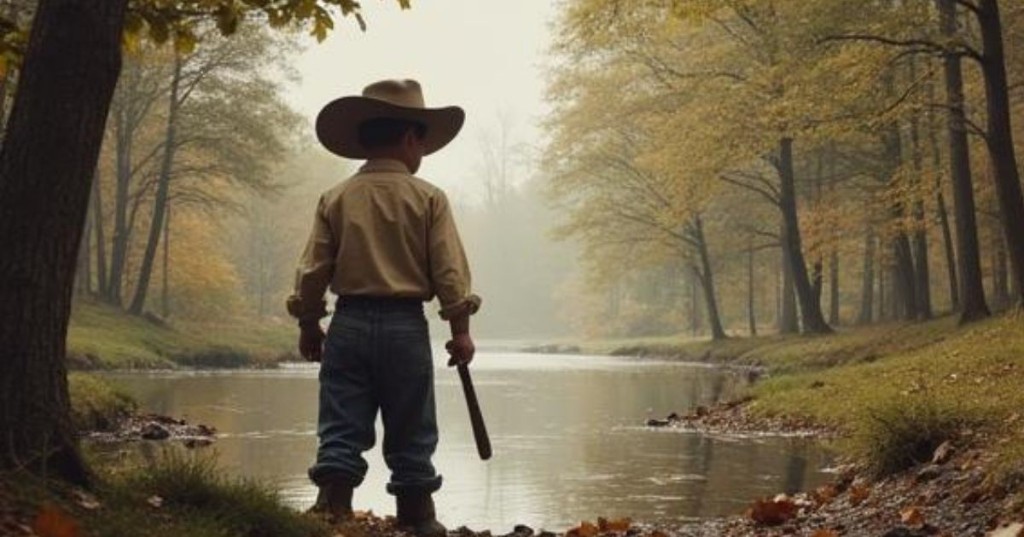
While the boys play on the island, St. Petersburg is in mourning. Families dress in black, children mope, and the whole village walks around in a sad daze. Becky Thatcher wanders the empty schoolyard wishing she had not been so mean to Tom. She misses his brass andiron knob and cries over her last harsh words. Other kids compete over who saw the drowned boys last, turning grief into a strange contest.
On Sunday the church fills for Tom and Joe's funeral. The bell tolls instead of ringing, and the minister praises the boys as if they were angels. Grown-ups cry because they only remember the boys' faults now that they are gone. The whole room sobs together, including Aunt Polly and Mrs Harper. Even the preacher breaks down in the pulpit.
Just when the crying is loudest, Tom, Joe, and Huck march down the aisle. They have been hiding in the church gallery listening to their own funeral sermon. Families rush to hug them, and the service turns into a celebration with singing that shakes the rafters. Huck stands alone until Tom makes Aunt Polly welcome him too. Tom has never felt more famous, and he gets more hugs and cuffs from Aunt Polly than he has earned all year.
Tommy's fake funeral reveals something painful about human nature: we're terrible at appreciating what's right in front of us. The whole town suddenly remembers Tommy's good qualities once they think he's dead, but when he was alive and causing trouble, they only saw his faults. This isn't unique to 1876—it's how our brains work. We have limited attention, so we focus on problems that need fixing rather than things that are working fine. Your health is invisible until you get sick. Your job feels routine until you're unemployed. Your relationship seems ordinary until someone threatens to leave. The psychological term is 'hedonic adaptation'—we adjust to good things so quickly that they become our new normal, then we stop noticing them. But loss triggers panic, and suddenly our brain catalogs everything valuable we're about to lose. The cruel irony is that we often have the most power to show appreciation when people are alive and present, but that's exactly when we take them for granted. This pattern shows up everywhere in working-class life: parents who criticize their kids' choices but would be devastated if something happened to them; coworkers who complain about each other but rally together when someone gets fired; communities that ignore local businesses until they close down. The key isn't waiting for the crisis—it's practicing gratitude before the funeral.
Explore this chapter with AI to uncover deeper meaning and practical takeaways.
AI Discussion